My Experience and a Discourse on "DUPA" 5/27/2024
The user discusses their hair loss experience, exploring various hypotheses including thyroid levels, vitamin D, DHEA, nutritional deficiency, diabetes, seborrheic dermatitis, lack of nutrition to hair follicles, chronic inflammation, female pattern hair loss causes, cortisol, and prolactin levels. They are currently using finasteride, beta-sitosterol, and have tried topical dutasteride and microneedling therapy.
View this post in the Community →
Similar Community Posts Join
5 / 5 resultscommunity 5-Months Update: Minoxidil + Red Light Therapy + Lifestyle Changes
The user reported positive hair regrowth after 5 months using Minoxidil, red light therapy, and lifestyle changes, including dietary improvements and stress reduction. They chose natural supplements like saw palmetto and beta-sitosterol over pharmaceutical DHT inhibitors like finasteride.
community What else is good. Besides the big 3.
Key treatments for hair preservation include minoxidil, finasteride/dutasteride, and microneedling, with additional options like specific shampoos, oils, biotin, zinc, tretinoin, clascoterone, and low-level laser therapy. Maintaining a healthy lifestyle, reducing stress, and addressing nutrient deficiencies can also support hair health.
community 38M, Topical Min 5% + Infrared Therapy (4 Months In)
A 38-year-old man reports positive results using topical Minoxidil 5% and infrared therapy for hair regrowth over four months, along with Saw Palmetto and Pumpkin Seed Oil supplements. Others suggest adding Finasteride for better maintenance and discuss the role of DHT blockers.
community 7+ years fin user, stopped saw palmetto/rosemary oil 3 months ago..biggest regret
Stopping saw palmetto and rosemary oil led to significant hair loss for a long-term finasteride user. Resuming saw palmetto caused side effects, and there is debate about its effectiveness and the potential impact of oxycodone on hair loss.
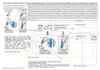
community Compressed part of research of theory of androgenic/anabolitic balance. AGA h-responders analytic. Theory of physio-metabolitic method of anti AGA treatment
The treatment for androgenetic alopecia involves using finasteride and minoxidil with intense exercise and cold exposure to boost metabolism and reduce androgenic effects, potentially leading to hair regrowth. This approach may activate biological pathways for improved hair and overall health.
Related Research
6 / 6 resultsresearch Androgenetic Alopecia: A Review
This review summarizes existing knowledge on androgenetic alopecia, including its epidemiology, pathophysiology, and management, but presents no new research findings.
research Androgenetic alopecia – Update 2022
research Biomedical Technologies for Androgenic Alopecia Treatment: Advance, Mechanism and Future Direction
This review discusses advanced biomedical technologies, such as nanotechnology and stem cell-based approaches, for treating androgenetic alopecia, detailing their benefits, current applications, and challenges, without reporting new experimental results.
research Hair Restoration in Androgenetic Alopecia: Looking Beyond Minoxidil, Finasteride and Hair Transplantation
This review discusses the emerging pathophysiological factors and potential new therapies for androgenetic alopecia beyond traditional treatments, but reports no new results.
research An Updated Etiology of Hair Loss and the New Cosmeceutical Paradigm in Therapy: Clearing ‘the Big Eight Strikes’
This review concluded that the efficacy of cosmeceutical hair serums for addressing hair loss lies in their use of bioactive peptides and plant compounds, like flavonoids and sterols, that target eight key contributing factors identified in hair loss conditions.
research Bioactive Compound-Loaded Nanocarriers for Hair Growth Promotion: Current Status and Future Perspectives
This review highlights various plant-based and herbal treatments that reportedly help prevent hair loss and encourage hair growth. It also explores the molecular mechanisms, identified plant compounds, recent technologies such as nanoarchitectonics, and patents related to hair growth promotion.