Search
forLearn
1 / 1 resultsResearch
5 / 1000+ resultsresearch The Relationships Among Routes of Transmission, Environmental Factors Tolerance, and Mutation Rates of Some RNA Viruses
Virus infection risk is linked to heat tolerance and size, but decreases with high humidity and mutation rates.
research Feline Calicivirus: A Comprehensive Review
Vaccination and hygiene are key to preventing Feline Calicivirus in cats.

research The Probable Destructive Mechanisms Behind COVID-19 on Male Reproductive System and Fertility
COVID-19 may harm male fertility and damage the reproductive system.
research The Role of Vitamin D and Testosterone Levels in Hair Loss Among Females with Coronavirus Disease
Higher testosterone and lower Vitamin D levels are linked to hair loss in female COVID-19 patients.

research Study of SARS-CoV-2 in Semen and Urine Samples of a Volunteer with Positive Nasopharyngeal Swab
The virus was not found in the semen and urine of a man who tested positive for COVID-19.
Community Join
5 / 47 resultscommunity Quit vaping/smoking = 80% less loss
Quitting vaping significantly reduced hair loss for a user who was a heavy vaper and also taking finasteride. Some participants suggest nicotine's vasoconstrictive properties may worsen hair loss, while others share personal anecdotes of hair improvement after quitting smoking or vaping.
community CRISPR Is Curing People Right Now. Genetic Hair Loss is Next?
CRISPR shows promise for treating hair loss by targeting specific genes. Current treatments include Minoxidil and finasteride, but CRISPR could offer a more precise solution, though it is still expensive and in early stages.
community Why balding gets worse in every generation?
Balding seems to worsen with each generation, possibly due to stress, diet, and environmental factors. The user started treatments like Minoxidil and finasteride.
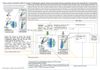
community Compressed part of research of theory of androgenic/anabolitic balance. AGA h-responders analytic. Theory of physio-metabolitic method of anti AGA treatment
by MagicBold
in Research
865 upvotes
1 year ago
MagicBold
in Research
865 upvotes
1 year ago The treatment for androgenetic alopecia involves using finasteride and minoxidil with intense exercise and cold exposure to boost metabolism and reduce androgenic effects, potentially leading to hair regrowth. This approach may activate biological pathways for improved hair and overall health.
community MicroRNA can regrow 90% of lost hair, researchers find
Researchers finding that microRNA can potentially regrow 90% of lost hair, and the challenges involved in moving this research forward to human trials. Various treatments for hair loss, such as finasteride and minoxidil, have been discussed.