2 citations
,
January 1972 In this study, plucked rat hair showed greater accumulation of injected radioisotopes than shaved hair, which may have implications for measuring exposure and understanding follicle tissue processes.
 114 citations
,
October 2009 in “Gastroenterology”
114 citations
,
October 2009 in “Gastroenterology” This review discusses zinc's role as an essential trace element in human nutrition, particularly its importance in total parenteral nutrition, and reports no new clinical results.
 12 citations
,
July 1979 in “International Journal of Dermatology”
12 citations
,
July 1979 in “International Journal of Dermatology” This article reviews the clinical manifestations and contributing factors of acute zinc depletion syndrome, reporting no new results but discussing prevention and treatment strategies.
 April 2026 in “Al-Kufa University Journal for Biology”
 This pilot study observed that post-bariatric surgery, both zinc and iron deficiencies increased among Iraqi patients, underscoring the importance of lifelong nutritional monitoring and targeted supplementation to address these issues and prevent related complications.
 75 citations
,
May 2013 in “Journal of the American Academy of Dermatology”
75 citations
,
May 2013 in “Journal of the American Academy of Dermatology” This review examines skin symptoms, diagnosis, and treatment of zinc deficiency in children, proposing a classification system but reporting no new clinical results.
 January 2021 in “Middle East journal of applied sciences”
 This article discusses the widespread issue of zinc deficiency affecting plant, animal, and human health, and reports no new clinical results; the authors emphasize the need for adequate zinc availability in agriculture and nutrition.
 July 2022 in “Al-Mağallaẗ al-ʻirāqiyyaẗ li-l-ṣaydalaẗ”
 In this study, patients with alopecia areata had significantly lower serum zinc levels compared to healthy controls, with an inverse relationship between zinc levels and disease severity.
 324 citations
,
July 2020 in “Applied Water Science”
324 citations
,
July 2020 in “Applied Water Science” This study found high levels of toxic heavy metals in water sources of mining communities in Abakaliki, Nigeria, posing potential health risks including Parkinson's and Alzheimer's diseases.
 December 2016 in “Journal of Evolution of Medical and Dental Sciences”
 This case report highlights that inherited zinc deficiency can persist into adulthood and emphasizes the importance of selecting optimal chelating agents to improve oral zinc bioavailability.
 6 citations
,
April 2019 in “Nutrients”
6 citations
,
April 2019 in “Nutrients” This study found that biotin deficiency in mice led to reduced zinc levels, disappearance of epidermal Langerhans cells, and increased ATP production, resulting in prolonged irritant contact dermatitis.
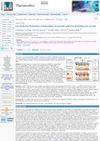 January 2023 in “Theranostics”
 This study reported that a curcumin-zinc microneedle patch improved hair regrowth and wound healing in animal models, suggesting potential as a versatile treatment for hair loss.
 134 citations
,
December 2018 in “Dermatology and Therapy”
134 citations
,
December 2018 in “Dermatology and Therapy” This review discusses the potential role of vitamins and minerals in managing non-scarring alopecia but reports no clinical results; the authors advocate for further controlled trials to explore these relationships.
 95 citations
,
February 2018 in “Dermatology and Therapy”
95 citations
,
February 2018 in “Dermatology and Therapy” This review discusses the role of nutraceuticals in combating skin aging but reports no new clinical results, focusing on their mechanisms of action and potential effectiveness for dermatologists.
 79 citations
,
January 2017 in “Dermatology practical & conceptual”
79 citations
,
January 2017 in “Dermatology practical & conceptual” This article addresses the need to screen for nutrient deficiencies in patients with hair loss but reports no new findings, noting that supplementation without deficiency may not be beneficial and could pose risks.
 63 citations
,
May 2017 in “American Journal of Clinical Dermatology”
63 citations
,
May 2017 in “American Journal of Clinical Dermatology” This review found that patients with alopecia areata may have lower levels of vitamin D, zinc, and folate, but conflicting evidence precludes definitive clinical recommendations for micronutrient supplementation.
 24 citations
,
June 2010 in “Clinics in Dermatology”
24 citations
,
June 2010 in “Clinics in Dermatology” This review discusses various potential adverse effects of common oral vitamin and mineral supplements used in dermatology and highlights lesser-known issues like hematologic and neurologic effects from zinc.
 23 citations
,
March 1989 in “The Veterinary clinics of North America. Food animal practice”
23 citations
,
March 1989 in “The Veterinary clinics of North America. Food animal practice” This review discusses dermatological issues in llamas, detailing common findings, parasites, and disorders, but reports no new clinical results; it highlights the need for recognizing normal skin variations and discusses potential treatments like zinc therapy for certain conditions.
 18 citations
,
January 2004 in “Dermatologic Clinics”
18 citations
,
January 2004 in “Dermatologic Clinics” This article discusses nutritional contributions to hair health and highlights the need for identifying risk factors for deficiencies but reports no new clinical findings.
 10 citations
,
January 2015 in “Journal of Dermatology and Dermatologic Surgery”
10 citations
,
January 2015 in “Journal of Dermatology and Dermatologic Surgery” In this study, telogen effluvium was commonly found to be associated with iron-deficiency anemia and hypothyroidism among female patients in Makkah, Saudi Arabia.
 7 citations
,
January 2017 in “Journal of cosmetology & trichology”
7 citations
,
January 2017 in “Journal of cosmetology & trichology” This article discusses how nutritional and environmental factors, along with antioxidant supplementation, may improve hair growth by mitigating the effects of androgens and reports no new clinical results.
 4 citations
,
January 2023 in “Frontiers in Medicine”
4 citations
,
January 2023 in “Frontiers in Medicine” This review discusses the use of zinc supplementation in dermatology for various skin conditions and reports no new clinical results, providing references for its application.
 1 citations
,
December 2015 in “Lʹvìvsʹkij klìnìčnij vìsnik”
1 citations
,
December 2015 in “Lʹvìvsʹkij klìnìčnij vìsnik” This review discusses the connection between alopecia areata and trace element imbalances, noting deficiencies in elements like zinc and selenium, but reports no new clinical findings.
 November 2023 in “Biology”
 This study investigated 130 patients and found a significant inverse correlation between copper content and the copper/zinc ratio in hair samples and the extent of coronary artery disease, while zinc content alone showed no significant relationship with disease extent.
 January 2017 in “International journal of clinical & experimental dermatology”
 This review discusses how nutritional and lifestyle modifications, including antioxidant use, may enhance hair growth and prevent hair loss without the need for Finasteride, but provides no new clinical findings.
 December 2015 in “Basrah Journal of veterinary Research”
 In this study, researchers found that most buffaloes in Basrah, Iraq, suffered mineral deficiencies, especially in zinc, cobalt, copper, and sulfur, with outdoor grazing buffaloes displaying more severe deficiencies than those kept indoors.
 June 2015 in “Journal of the turkish academy of dermatology”
 This review revisits the principles regarding the critical role of diet and nutrition in managing certain skin diseases but reports no new findings.
 February 2025 in “Indus journal of bioscience research.”
 In this study of 200 pregnant women in District Mardan, researchers found a high prevalence of zinc deficiency, with 63% having low zinc levels, alongside dietary and lifestyle factors that may influence maternal and fetal health.
 January 2024 in “Wiadomości Lekarskie”
 This study reports that while primary treatment for uveal melanoma has a very high success rate, treating distant metastases, particularly in the liver, remains challenging. Tebentafusp, dependent on HLA-A expression, is the first drug to extend patient survival.
146 citations
,
September 2013 in “Advances in nutrition” This review examines nutritional deficiencies after bariatric surgery, particularly in essential minerals like zinc and copper, and highlights the need for more research to improve post-surgery nutritional outcomes.
110 citations
,
April 2020 in “Advances in Wound Care” This review discusses recent advancements in nanotechnology-based treatments for chronic wound healing in diabetic models, noting that despite promising results, these innovations have yet to translate into widely available commercial products.