27 citations
,
July 1997 in “PubMed” This study suggests that the harlequin ichthyosis mouse model closely resembles human type 2 harlequin ichthyosis, indicating its potential as a useful model for studying the human condition.
29 citations
,
July 2008 in “British Journal of Dermatology” This case report examines a patient with myasthenia gravis, invasive thymoma, and paraneoplastic pemphigus associated with alopecia areata, notably without the usual mucosal involvement.
1 citations
,
July 2024 in “Nanomedicine” This study demonstrated that EVs from pluripotent stem cell-derived mesenchymal stem cells improved recovery and function in ischemic lower limbs by enhancing angiogenesis through the ERK/MAPK signaling pathway.
July 2026 in “Materials Today Bio” This study demonstrated that in a mouse melanoma wound model, the MQ Microneedles effectively managed ROS levels to inhibit tumor growth and promote wound healing through light-controlled release.
16 citations
,
January 2014 in “Obesity surgery” This study found that vertical sleeve gastrectomy improved metabolic, behavioral, and reproductive symptoms in a rat model of PCOS, suggesting it may be a potential therapy for specific aspects of PCOS.

In this thesis, researchers explored ways to enhance the management of myotonic dystrophy type 1 by investigating the genetic inheritance patterns, especially small-sized repeat expansions, and assessing cardiac care, energy expenditure, and body composition in affected individuals.
 74 citations
,
January 2006 in “The journal of investigative dermatology/Journal of investigative dermatology”
74 citations
,
January 2006 in “The journal of investigative dermatology/Journal of investigative dermatology” This study identified novel compound heterozygous mutations in the DSG4 gene in a Japanese patient with congenital hypotrichosis, suggesting overlap between localized autosomal recessive hypotrichosis and monilethrix.
 39 citations
,
December 2001 in “JNCI: Journal of the National Cancer Institute”
39 citations
,
December 2001 in “JNCI: Journal of the National Cancer Institute” This study found that enhanced expression of the Sonic hedgehog gene via an adenovirus vector accelerated hair regrowth in mice with chemotherapy-induced alopecia.
 18 citations
,
February 2010 in “Odontology”
18 citations
,
February 2010 in “Odontology” This report describes Rabson-Mendenhall syndrome cases in two siblings and briefly reviews the literature, highlighting insulin receptor gene mutations as the underlying cause.
3 citations
,
July 2023 in “Cells” This study found that topical application of recombinant human MG53 protein mitigated nitrogen mustard-induced skin injuries in mice by preserving epidermal integrity and hair follicle structure.
 53 citations
,
May 2010 in “Journal of Cellular Physiology”
53 citations
,
May 2010 in “Journal of Cellular Physiology” This study found that mice lacking the Vitamin D receptor showed disrupted hair follicle cycling, which was partially restored with hedgehog signaling pathway activation, suggesting a role for this pathway in follicle regulation independent of vitamin D.
 8 citations
,
February 2022 in “Journal of Clinical Medicine Research”
8 citations
,
February 2022 in “Journal of Clinical Medicine Research” This review discusses the development of the MATH+ treatment protocol for COVID-19 patients, detailing its scientific and clinical rationale, but reports no new experimental findings.

This case report suggests that scalp arteriovenous malformations can cause local hair loss, which may recover following ethanol embolization treatment.

This report details a case of right fourth nerve palsy in a 47-year-old man following hair replacement surgery, hypothesized to be due to brainstem instability related to an anatomical variant and postoperative posture-induced cerebrospinal fluid shifts.
12 citations
,
June 2016 in “Clinical and experimental dermatology” This study reported a previously undescribed G573V point mutation in the TRPV3 gene as a cause of familial Olmsted syndrome in a Mongolian family.
 86 citations
,
March 2018 in “ACS Biomaterials Science & Engineering”
86 citations
,
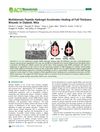
March 2018 in “ACS Biomaterials Science & Engineering” This study found that MDP hydrogel significantly accelerated wound healing and improved tissue formation in diabetic mice compared to a standard clinical hydrogel and control buffer.
 February 2025 in “International Journal of Morphology”
 In this study conducted on mouse fetuses, valproic acid was found to reduce Sonic Hedgehog expression in the skin and hair follicles, but the inclusion of vitamin E helped mitigate this effect, supporting its potential role in managing valproic acid-induced changes.
 68 citations
,
March 2018 in “Biomaterials”
68 citations
,
March 2018 in “Biomaterials” This study found that in vivo, a novel microneedle system for valproic acid delivery may improve hair regrowth efficacy by upregulating hair follicle development pathways more effectively than topical application.
1 citations
,
September 2007 in “Neuromuscular disorders” This study suggests that long-term treatment with valproate, acetylcarnitine, folic acid, and vitamin B12 may benefit children with SMA types II and III by improving muscle strength and function without significant adverse effects.
 39 citations
,
January 2019 in “Cells”
39 citations
,
January 2019 in “Cells” This review discusses the molecular mechanisms of Hutchinson-Gilford progeria syndrome and evaluates current research trends, available mouse models, and prospects for developing therapies, but reports no new clinical findings.
October 2014 in “Archives of Disease in Childhood” This case study reported that growth hormone therapy dramatically improved rickets symptoms and growth in three children with vitamin-D dependent rickets type 2 who had not responded to standard treatments.
 August 2021 in “Pelviperineology”
 This article discusses the complexity of vulvodynia and highlights the potential effectiveness of Fascial Manipulation therapy in addressing this condition, but it reports no new clinical results.
January 2026 in “International Journal of Molecular Sciences” This study found that inhibiting the Hedgehog pathway may reduce proliferation and migration in melanoma, suggesting its potential repurposing as a therapeutic target.
 April 2023 in “Journal of Investigative Dermatology”
 This study found that longer disease duration in psoriasis patients was significantly associated with increased incidence of cerebral atrophy, suggesting a potential need for central nervous system screening in these patients.
14 citations
,
June 2016 in “Biomaterials” This study observed that MAA beads improved vascularization in non-diabetic male mice by modulating the Shh signaling pathway in wound granulation tissue, but showed no such effects in females.
 8 citations
,
May 2019 in “Journal of dermatological treatment”
8 citations
,
May 2019 in “Journal of dermatological treatment” This study found that vismodegib was effective in treating basal cell carcinoma, achieving complete remission in some patients; however, significant side effects often required careful management to prevent therapy suspension, which can lead to resistance.
 April 2015 in “Journal of Nutritional Therapeutics”
 This study found that a more liberal intake of restricted amino acids in patients with methylmalonic acidemia resulted in improved growth and fewer illness episodes.
29 citations
,
May 2023 in “Cell” September 2024 in “Journal of the American Academy of Dermatology”  1 citations
,
October 2022 in “Curēus”
1 citations
,
October 2022 in “Curēus” This case report highlights the challenges in diagnosing simple-virilizing congenital adrenal hyperplasia, emphasizing the importance of early expert evaluation to prevent irreversible changes such as virilization.