33 citations
,
January 2018 in “Blood” This study found that topical ruxolitinib protected Lgr5+ skin stem cells and maintained skin homeostasis in skin GVHD, unlike corticosteroids.
1 citations
,
April 2025 in “Experimental Dermatology” This systematic review assessed the off-label use of topical Ruxolitinib cream for various skin conditions and found it effective for lichenoid and granulomatous dermatoses, though results for alopecia areata were inconsistent. The authors indicate that further research is warranted to confirm these findings.
October 2025 in “Figshare” This meta-analysis found that deuruxolitinib significantly improved hair regrowth and patient satisfaction in those with moderate to severe alopecia areata compared to placebo, though it was associated with manageable side effects such as elevated creatinine kinase levels, headaches, and acne, especially at higher doses.
May 2010 in “OPAL (Open@LaTrobe) (La Trobe University)” This research discusses potential cancer vaccine strategies using cell-based and DNA vector-based approaches, and suggests targeting the v3 splice variant of thioredoxin reductase 1 to inhibit cancer cell motility and metastasis formation.
2 citations
,
September 2024 in “Journal of the American Academy of Dermatology” Deuruxolitinib is generally safe for treating alopecia areata.
25 citations
,
March 2017 in “International Journal of Dermatology” In this case report, two women with chronic alopecia areata and acute alopecia universalis experienced sustained and near-complete hair regrowth after over a year of treatment with oral ruxolitinib, without significant side effects.
 15 citations
,
September 2008 in “Archives of Dermatological Research”
15 citations
,
September 2008 in “Archives of Dermatological Research” In this study, topical 5% roxithromycin was effective in restoring hair growth in about half of individuals with androgenetic alopecia without causing adverse effects.
96 citations
,
December 2015 in “JAMA dermatology” This article discusses the potential of topical ruxolitinib as a treatment for alopecia universalis and acknowledges the need for alternatives to systemic JAK inhibitors due to the risk of serious side effects.
2 citations
,
October 2025 in “Frontiers in Medicine” This study found that deuruxolitinib may effectively improve hair regrowth and patient satisfaction in moderate to severe alopecia areata, but careful monitoring is needed due to manageable side effects and concerns about long-term safety.
 61 citations
,
September 2010 in “Fitoterapia”
61 citations
,
September 2010 in “Fitoterapia” This study found that the EtOAc extract of Tridax procumbens aerial parts significantly inhibited rat paw edema and COX enzyme activity, suggesting its potential anti-inflammatory properties.
2 citations
,
March 2010 in “Acta Biochimica Polonica” This study observed that conjugates of the anticancer drug raltitrexed with dextran and albumin were more cytotoxic than the free drug at high concentrations, altering cell cycle effects.
September 2023 in “Journal of the American Academy of Dermatology” CTP-543 is generally safe for treating alopecia areata.
 157 citations
,
December 2015 in “Journal of the American Academy of Dermatology”
157 citations
,
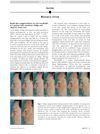
December 2015 in “Journal of the American Academy of Dermatology” This case study reported significant but temporary hair regrowth and skin repigmentation in a patient with vitiligo and alopecia areata during treatment with oral ruxolitinib.
13 citations
,
June 2023 in “Frontiers in Pharmacology” This meta-analysis reports that trastuzumab deruxtecan is effective and has an acceptable safety profile for treating HER2-low or positive advanced breast cancer, although further research is recommended to support individualized treatment strategies.
 3 citations
,
August 2023 in “Drug safety”
3 citations
,
August 2023 in “Drug safety” This source reports that trastuzumab deruxtecan improves outcomes in HER2-positive and HER2-low metastatic breast cancer, emphasizing the need for careful adverse event monitoring, particularly for interstitial lung disease, and managing emetic risk to maximize benefits.
September 2025 in “Journal of the American Academy of Dermatology” Deuruxolitinib significantly improves hair satisfaction in severe alopecia areata patients.
October 2025 in “Figshare” This systematic review and meta-analysis reported that deuruxolitinib is effective for hair regrowth and improving patient-reported outcomes in individuals with moderate to severe alopecia areata, but observed manageable treatment-emergent adverse events such as elevated creatinine kinase levels and headaches, particularly with higher doses.
July 2026 in “Journal of the American Academy of Dermatology” 33 citations
,
May 2017 in “Journal of Clinical Oncology” This phase I study reported that ETC-159, targeting Wnt signalling, showed tolerable safety profiles at doses that inhibit its pathway, though bone turnover markers increased, warranting early and regular monitoring. No tumor responses were observed, but two patients achieved stable disease for several cycles.
September 2025 in “Journal of the American Academy of Dermatology” Deuruxolitinib improves anxiety and depression in severe alopecia areata patients.
3 citations
,
November 1998 in “PubMed” This study found that finasteride significantly inhibits the metabolism of tirilazad to its active metabolites without greatly affecting tirilazad's overall clearance.
5 citations
,
July 1996 in “Journal of Cutaneous Medicine and Surgery” This study explains that while trichothiodystrophy and xeroderma pigmentosum share genetic defects, TTD patients primarily exhibit issues in transcription initiation, not the increased skin cancer risk seen in XP.
63 citations
,
July 2024 in “Journal of the American Academy of Dermatology” This study found that the oral JAK1/JAK2 inhibitor deuruxolitinib effectively promoted hair regrowth and patient satisfaction in adults with alopecia areata over 24 weeks.
June 2005 in “Journal of Investigative Dermatology” A bull with a gene mutation was asymptomatic, synthetic retinoids cause hair loss, and new therapeutic targets were identified for skin diseases.
6 citations
,
May 2024 in “JAAD Case Reports” This study highlights that topical ruxolitinib cream is FDA-approved for mild to moderate atopic dermatitis and nonsegmental vitiligo in patients aged 12 and older, but its use in other skin conditions like frontal fibrosing alopecia remains under-researched and needs further exploration in clinical practice.
74 citations
,
February 2018 in “Journal of the American Academy of Dermatology” 26 citations
,
May 1991 in “Clinical and experimental dermatology” In this study, oral etretinate resulted in increased hair length and loss of beading in a childhood monilethrix case, while the scalp's keratosis pilaris persisted.
2 citations
,
November 2025 in “Journal of the American Academy of Dermatology” In this randomized, placebo-controlled trial, adults with severe chronic alopecia areata who received deuruxolitinib showed significant hair regrowth compared to placebo over 24 weeks, and the treatment was generally well-tolerated, though long-term effects remain unexamined.
July 2023 in “International Journal of Molecular Sciences” In this study, Trapa bispinosa Roxb. pericarp extract demonstrated inhibitory effects on 5α-reductase activity both in vitro using LNCaP cells and in vivo in a mouse model of benign prostatic hyperplasia, suggesting its potential role in managing the condition.
22 citations
,
September 2017 in “Skin appendage disorders” This report describes a case where treatment with the JAK inhibitor ruxolitinib significantly improved beard growth in a patient with severe alopecia areata, emphasizing its potential benefits for populations where beard hair holds cultural significance.