 53 citations
,
February 2017 in “Journal of The American Academy of Dermatology”
53 citations
,
February 2017 in “Journal of The American Academy of Dermatology” In this study of 20 patients with erosive pustular dermatosis of the scalp, using trichoscopy improved diagnosis, and treatments with high-potency steroids or topical tacrolimus effectively reduced inflammatory signs, suggesting these as first-line treatments.
 46 citations
,
January 2015 in “Journal of The American Academy of Dermatology”
46 citations
,
January 2015 in “Journal of The American Academy of Dermatology” This study suggests that trichoscopic features, such as perifollicular erythema and cicatricial white patches, are independently associated with pruritus and the severity of frontal fibrosing alopecia.
 46 citations
,
April 2009 in “Journal of Dermatological Case Reports”
46 citations
,
April 2009 in “Journal of Dermatological Case Reports” This study established standard trichoscopy norms for adult white females, providing benchmarks for hair thickness, percentage of thin hairs, and pilosebaceous units with single hair across different scalp areas.
 45 citations
,
January 2012 in “International Journal of Trichology”
45 citations
,
January 2012 in “International Journal of Trichology” This study reported that trichoscopy is a more effective diagnostic tool than the trichogram for early diagnosis of FAGA, regardless of hair shaft diversity cut-off levels.
 42 citations
,
June 2012 in “Clinical and Experimental Dermatology”
42 citations
,
June 2012 in “Clinical and Experimental Dermatology” This study found that 'black dots' seen under trichoscopy are not specific to alopecia areata and may occur in various other hair and scalp conditions.
 32 citations
,
July 2017 in “Dermatology practical & conceptual”
32 citations
,
July 2017 in “Dermatology practical & conceptual” This study is the first to describe a mixed pattern of essential syphilitic alopecia using trichoscopy, identifying features like tapered bended hairs and perifollicular hyperkeratosis in a patient without secondary syphilis symptoms.
 31 citations
,
February 2020 in “BioMed Research International”
31 citations
,
February 2020 in “BioMed Research International” This study found that in the Thai population, hair density varies by scalp location and decreases with age, and that Asians generally have lower hair density compared to Caucasian and African populations.
31 citations
,
December 2017 in “Skin Appendage Disorders” The study observed that Americans of Hispanic descent have a statistically significant higher hair density than individuals of African descent but lower than Caucasians, which may assist in diagnosing and researching hair disorders.
 30 citations
,
March 2015 in “Journal of Dermatology”
30 citations
,
March 2015 in “Journal of Dermatology” This study found that certain trichoscopic features like white peripilar sign, yellow dots, and scalp pigmentation are positively correlated with the severity of androgenetic alopecia in Chinese patients.
 28 citations
,
January 2012 in “International Journal of Trichology”
28 citations
,
January 2012 in “International Journal of Trichology” This study observed that specific trichoscopic features like white peripilar signs, scalp pigmentation, and focal atrichia are associated with advanced female pattern hair loss in Fitzpatrick skin type III patients.
 26 citations
,
August 2013 in “Australasian Journal of Dermatology”
26 citations
,
August 2013 in “Australasian Journal of Dermatology” This study found that certain trichoscopic patterns, like exclamation mark hairs, were associated with active or mild alopecia areata in Turkish patients, aiding in diagnosis and prediction of the disease.
 24 citations
,
September 2014 in “Journal of the European Academy of Dermatology and Venereology”
24 citations
,
September 2014 in “Journal of the European Academy of Dermatology and Venereology” This study suggests that trichoscopy with a handheld dermatoscope may help differentiate temporal triangular alopecia from other localized alopecia by identifying specific hair features.
 23 citations
,
July 2018 in “Journal of Cosmetic Dermatology”
23 citations
,
July 2018 in “Journal of Cosmetic Dermatology” This study describes a distinct pattern of trichoscopic features associated with chemotherapy-induced alopecia and how these features evolve through different phases of chemotherapy treatment.
21 citations
,
September 2022 in “Actas Dermo-Sifiliográficas” This study reviews the use of trichoscopy in diagnosing and monitoring alopecia areata, highlighting that certain trichoscopic findings like yellow and black dots, exclamation mark hairs, and others, provide valuable insights into disease status and treatment response.
19 citations
,
July 2019 in “Journal of Cosmetic Dermatology” This study found that in patients with patchy alopecia areata, certain trichoscopic features like upright regrowing hairs and pigtail hairs are positive predictive markers for treatment success.
 14 citations
,
August 2019 in “Journal of Dermatological Treatment”
14 citations
,
August 2019 in “Journal of Dermatological Treatment” This study found that 5% topical minoxidil was moderately more effective at increasing hair regrowth than 10% minoxidil and placebo in men with androgenetic alopecia.
 13 citations
,
August 2017 in “International Journal of Dermatology”
13 citations
,
August 2017 in “International Journal of Dermatology” This study reported that trichoscopy revealed distinctive patterns across different autoimmune bullous diseases, suggesting it can be a useful preliminary diagnostic tool for differentiating these conditions.
11 citations
,
July 2019 in “Pediatric dermatology” In this study, empty follicular openings and pigtail hairs were more frequently observed in children with alopecia areata compared to adults, while yellow dots were less common in children.
 10 citations
,
January 2015 in “Skin appendage disorders”
10 citations
,
January 2015 in “Skin appendage disorders” This study suggests that while low-cost videomicroscopes can correctly identify hair shaft alterations, they may be unreliable for detailed follicular and perifollicular trichoscopic examination compared to standard videodermatoscopes.
 10 citations
,
January 2013 in “International Journal of Trichology”
10 citations
,
January 2013 in “International Journal of Trichology” This study found that trichoscopy using anisotrichosis criteria was 75% sensitive and 61.54% specific in diagnosing early female pattern hair loss in women without visible hair thinning.
7 citations
,
March 2020 in “Journal of the American Academy of Dermatology” This study observed that trichoscopic changes associated with EGFRI treatment include pili torti and asymmetric hyperpigmented fusiform widening, along with dermoscopic skin manifestations such as scale and branching vessels.
7 citations
,
November 2022 in “Actas Dermo-Sifiliográficas” This study reviewed the usefulness of trichoscopy in diagnosing and monitoring alopecia areata, noting that the technique identifies specific hair features like yellow and black dots, which are linked to the disease's chronic nature and treatment response.
 6 citations
,
January 2020 in “Postepy Dermatologii I Alergologii”
6 citations
,
January 2020 in “Postepy Dermatologii I Alergologii” This study identified several specific trichoscopic features of trichotillomania, with trichoptilosis, V hair, and hair powder being the most frequent findings.
 6 citations
,
December 2018 in “Australasian Journal of Dermatology”
6 citations
,
December 2018 in “Australasian Journal of Dermatology” This study found a strong correlation between the Sinclair Scale and cumulative hair thickness density, allowing the estimation of the Sinclair Scale from trichoscopy-derived statistics.
5 citations
,
February 2025 in “Journal of Clinical Medicine” This study introduced a non-invasive, three-step diagnostic algorithm for alopecia that combines clinical and trichoscopic features to accurately identify alopecia subtypes, potentially reducing reliance on invasive histopathology.
 5 citations
,
December 2018 in “Journal of The American Academy of Dermatology”
5 citations
,
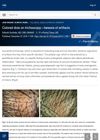
December 2018 in “Journal of The American Academy of Dermatology” This study highlights the importance of recognizing artifacts in trichoscopy, as certain cosmetic products can mimic signs of early androgenetic alopecia.
 5 citations
,
May 2008 in “Nature Precedings”
5 citations
,
May 2008 in “Nature Precedings” In this study, trichoscopy was used to diagnose female androgenic alopecia with 92% specificity by identifying specific hair and scalp patterns.
 4 citations
,
February 2020 in “Journal of Cosmetic Dermatology”
4 citations
,
February 2020 in “Journal of Cosmetic Dermatology” This study found that androgenetic alopecia was the most common cause of frontal hairline recession in Egyptian female patients, supporting the use of trichoscopy as a noninvasive diagnostic tool.
 4 citations
,
March 2021 in “Postepy Dermatologii I Alergologii”
4 citations
,
March 2021 in “Postepy Dermatologii I Alergologii” This study found that high-frequency ultrasonography may effectively distinguish different stages of alopecia areata and differentiate it from other scalp conditions.
 4 citations
,
February 2021 in “International Journal of Women's Dermatology”
4 citations
,
February 2021 in “International Journal of Women's Dermatology” This study determined that trichoscopy is a sensitive and specific tool that effectively aids in diagnosing alopecia in women, especially when clinical diagnosis is uncertain.