 1 citations
,
April 2018 in “International journal of Ayurvedic medicine”
1 citations
,
April 2018 in “International journal of Ayurvedic medicine” This review discusses Ayurvedic approaches to premature greying of hair, focusing on detoxifying therapies like panchakarma and various rejuvenative treatments, but presents no new empirical findings.
37 citations
,
September 2010 in “Journal of Hospital Infection” Hair follicles in the nose may need better cleaning to prevent Staphylococcus aureus infections.
 July 2022 in “Journal of bio innovation”
 This article discusses the role of Panchakarma, a set of five Ayurvedic therapies, in detoxifying the body, as described in traditional Ayurvedic texts.
 June 2023 in “International journal of research in ayurveda and pharmacy”
 This study explores how Dhatryadi rasayana, a polyherbal formulation with antioxidant properties, may help prevent and treat premature hair greying by addressing factors such as oxidative stress, nutritional deficiencies, and hormone imbalances, potentially through rasayana therapy.

In this case study, a 26-year-old female with hair fall, dandruff, scalp itching, and dry hair reported improvements after using Dhatturadi Tail and taking Yashtimadhu churna with milk, evaluated through a custom scoring system, according to researchers at the National Institute of Ayurveda, Jaipur.
 January 2023 in “International Journal of Indian Medicine”
 This review discusses Ayurvedic approaches to treating hair loss, known as Khalitya, but provides no new clinical findings, urging further exploration of traditional methods.
 April 2018 in “Journal of Ayurveda and integrative medicine”
 Ayurvedic treatment improved hair growth in a person with hair loss.
40 citations
,
May 2010 in “American Journal of Clinical Dermatology” This study reports that four Indian patients with acne keloidalis nuchae also exhibited acanthosis nigricans, suggesting a potential link to metabolic syndrome, though further research is needed to confirm this association.
July 2026 in “International Journal for Research in Applied Science and Engineering Technology” This study explored the use of Kasisadi Lepa, a classical herbo-mineral formulation, and found its components could reduce dandruff by addressing scalp inflammation, microbial growth, and tissue damage with potential integration into long-term scalp health strategies.
January 1998 in “The Nishinihon Journal of Dermatology” A 7-year-old girl was diagnosed with Netherton's Syndrome, shown by skin and hair symptoms.
This study used machine learning models, such as Convolutional Neural Networks (CNN), to accurately differentiate False Daisy from similar plants like Smooth Joyweed.
August 2025 in “International Ayurvedic Medical Journal” The authors concluded that, in this case study, Dhatri Lauha, Brahma Rasayana, and Asthiposhaka Vati effectively managed hair fall without adverse reactions.
June 2023 in “Lithuanian University of Health Sciences”  January 2023 in “Han'gug mi'saengmul saengmyeong gong haghoeji/Han-guk misaengmul saengmyeong gonghak hoeji”
 This study found that a mixed extract of N. jatamansi, O. basilicum, and C. sativus, particularly when extracted via steaming and ultrasonic methods, increased antioxidant content, stimulated melanin production for black hair, and promoted hair growth in mouse models, while maintaining high cell viability.
1 citations
,
January 2014 in “Journal of clinical & experimental dermatology research” This study suggests that the fresh leaf extracts of Naringi crenulata may promote hair growth in Wistar rats, potentially due to the presence of terpenoids and flavonoids.
 May 2025 in “International Journal of Biological and Pharmaceutical Sciences Archive”
 In an open-label clinical trial, this study found that applying Narasimham Hair Oil thrice weekly for 8 weeks significantly improved hair density, thickness, and scalp health among participants with hair thinning, with benefits persisting after treatment, and 95% reporting user satisfaction without adverse effects.
 April 2026 in “Zenodo (CERN European Organization for Nuclear Research)”
 In this case study, a female patient with alopecia areata experienced significant symptom reduction after Ayurvedic treatments including Nasya and Pracchanna karma, suggesting potential effectiveness of this approach for managing autoimmune hair disorders.
February 2025 in “International Journal of Advanced Research” This study highlights Ayurveda's holistic approach to managing hair loss, known as Khalitya, through lifestyle changes, purification therapies, and targeted medications, addressing the condition's association with modern sedentary lifestyles and poor dietary habits.
 1 citations
,
January 2023 in “AYUSHDHARA”
1 citations
,
January 2023 in “AYUSHDHARA” This paper reviews the Ayurvedic formulation Nilibhringadi Taila, which is claimed to improve hair quality and treat issues such as split hairs, premature greying, and baldness, and emphasizes the need for further research on its uses and effectiveness.
January 2020 in “International Research Journal of Ayurveda & Yoga” This article discusses the Ayurvedic perspective on hair health, highlighting the role of aasthi dhatu nourishment and herbal treatments, but it reports no new clinical results.
4 citations
,
August 2014 in “The Journal of Korean Medicine Ophthalmology and Otolaryngology and Dermatology” In this study, the Narasoo healing shampoo and Hair tonic were associated with improvements in scalp hydration, hair gloss, and hair growth, but further research is recommended to confirm these effects.
 April 2026 in “Zenodo (CERN European Organization for Nuclear Research)”
 In this case study, a female patient with alopecia areata experienced significant symptom reduction following Ayurvedic treatment, including Nasya and Pracchanna karma, suggesting potential benefits of Ayurveda for autoimmune hair disorders.
 January 2026 in “Zenodo (CERN European Organization for Nuclear Research)”
 This case report observed that an integrated Shodhana-Shamana treatment protocol effectively managed treatment-resistant Ekakustha (plaque psoriasis), resulting in complete symptom resolution and no relapse at follow-up.
 October 2018 in “Ayurlog: national journal of research in ayurveda science”
 This article discusses methods to enhance scalp hair strength and beauty according to Ayurvedic principles, without presenting new clinical results, and emphasizes understanding various aspects of hair health from Ayurvedic texts.
 1 citations
,
February 2023 in “International Journal of Research in Ayurveda and Pharmacy”
1 citations
,
February 2023 in “International Journal of Research in Ayurveda and Pharmacy” In a single case study, a 12-year-old boy with alopecia areata experienced hair regrowth within 15 days of Ayurveda treatment, specifically nasya karma with Anu taila and shamana chikitsa over 60 days, with no adverse effects observed.
January 2025 in “Current Allergy and Asthma Reports” August 2024 in “Journal of Ayurveda and Holistic medicine.” This review study reports that while Bharangi, a traditional Indian medicinal shrub, is used for various conditions like asthma and epilepsy, it has been clinically underexplored and could benefit from scientific validation for broader use.
January 2022 in “International Research Journal of Ayurveda & Yoga” In this study of 52 patients with Indralupta, both Asthisrinkala lepa and Triphala mashi lepa showed a highly significant reduction in lesion size post-Pracchanna treatment, with Asthisrinkala lepa proving more effective compared to Triphala mashi lepa.
 11 citations
,
October 2011 in “Allergologia et immunopathologia”
11 citations
,
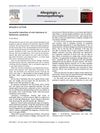
October 2011 in “Allergologia et immunopathologia” A girl with Netherton syndrome was able to eat wheat without allergies after a special treatment.
4 citations
,
April 2008 in “Experimental Dermatology” This review hypothesizes that nicotine plays a crucial role in the pathogenesis of hidradenitis suppurativa by promoting inflammation and microbial growth, suggesting that anticholinergic agents might be a potential treatment strategy, but reports no new clinical findings.