 August 2025 in “Tobacco Induced Diseases”
 This study reported that active smokers, including e-cigarette and hookah users, had worse skin quality with more wrinkles and pigmentation compared to ex-smokers and non-smokers, suggesting smoking negatively impacts skin health and may motivate cessation efforts.
 November 2024 in “International Journal of Research and Review”
 This review explores the application of nanotechnology in cosmetics, highlighting its role in enhancing skin penetration, sustaining drug action, and protecting against UV radiation, while also addressing regulatory considerations and potential exposure routes.
 233 citations
,
February 2018 in “Polymers”
233 citations
,
February 2018 in “Polymers” This review examines the roles and benefits of chitosan in cosmetics and oral hygiene, highlighting its potential in the cosmeceutical market, but it reports no new results.
 73 citations
,
July 2016 in “Cosmetics”
73 citations
,
July 2016 in “Cosmetics” This review discusses the use of mushrooms and their bioactive compounds in cosmeceuticals and nutricosmetics and reports no new clinical findings, highlighting potential areas for future research and development.
 17 citations
,
February 2015 in “Phytochemistry Reviews”
17 citations
,
February 2015 in “Phytochemistry Reviews” This review discusses the cosmetic potential of Southeast Asian herbs and highlights the need for more systematic scientific evaluation of their efficacy and safety.
 9 citations
,
November 2022 in “Applied sciences”
9 citations
,
November 2022 in “Applied sciences” This review explores marine algae-derived phenolic compounds and their potential cosmeceutical benefits, but reports no new clinical results.
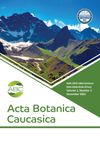 January 2022 in “Acta botanica Caucasica”
 This study evaluated herbal cosmetic products used in Turkiye, identifying 140 plant species and highlighting walnut, common nettle, and grape as popular for various traditional uses.
16 citations
,
March 2023 in “Clinical Cosmetic and Investigational Dermatology” This study demonstrated that regular use of LactoSporin cream for 10 weeks significantly reduced wrinkles and fine lines in healthy female participants, although improvements in skin elasticity and hydration were not significantly better than placebo when measured by certain instruments.
 14 citations
,
April 2022 in “Climacteric”
14 citations
,
April 2022 in “Climacteric” This review discusses the impact of HRT on menopausal skin and hair symptoms and argues that potential benefits should be part of informed decision-making for managing menopause.

This review found that exposure to pollutants like PM, NOx, and PAHs is linked to various skin and hair disorders, indicating a need for cosmetics with natural adsorbents to reduce pollutant effects, achieving 30-55% removal efficiency.
 12 citations
,
January 2007 in “Acta dermato-venereologica”
12 citations
,
January 2007 in “Acta dermato-venereologica” This review discusses the classification and regulation challenges of anti-ageing cosmetics in Europe and reports no new findings; it calls for increased transparency to help consumers make informed choices.
January 2025 in “Cosmetics” In this study, a systematic review highlighted the potential of exosomes in cosmetics and regenerative medicine for improving skin rejuvenation and addressing aging, while also pointing out existing challenges such as regulatory hurdles and the need for more clinical validation.
 11 citations
,
January 2013 in “Postępy Dermatologii i Alergologii”
11 citations
,
January 2013 in “Postępy Dermatologii i Alergologii” This review discusses various theories of skin aging and the importance of using professional and at-home skincare solutions, but offers no new empirical findings.
 4 citations
,
January 2018 in “Cosmetics”
4 citations
,
January 2018 in “Cosmetics” This review discusses the potential use of spin traps in cosmetic products to limit reactive oxygen species generated by pollution, emphasizing the need for further research due to toxicity and regulatory concerns.
3 citations
,
September 2025 in “Cosmetics” This review examines the potential and challenges of extracellular vesicles in cosmetics, noting their transformative impact despite regulatory and production hurdles; it reports no new experimental results.
3 citations
,
February 2024 in “International journal of molecular sciences” This review highlights the potential of valorizing citrus by-products, particularly hesperidin from orange peels, as sustainable ingredients in skincare for antiaging, pigmentation, wound healing, and UV damage protection, emphasizing hesperidin's role in a circular economy approach.
 2 citations
,
November 2024 in “GSC Biological and Pharmaceutical Sciences”
2 citations
,
November 2024 in “GSC Biological and Pharmaceutical Sciences” This article outlines the evolving role of cosmetics in enhancing confidence and attractiveness, highlighting their ability to address skin and hair concerns with active ingredient serums.
 April 2026 in “Cosmetics”
 In this review, several studies on Astragalus species, particularly Astragalus membranaceus, highlight their skin rejuvenating, photoprotective, antimicrobial, and wound-healing properties, though the authors note limitations due to reliance on non-human studies and short trial durations.
April 2026 in “IntechOpen eBooks” The researchers presented a case study on Exo.Reset®, a cosmetic formulation using extracellular vesicle technology, demonstrating systematic application of recognized standards to ensure scientific rigor and regulatory compliance in skin rejuvenation product development, providing a practical model for EV-based cosmetic innovations.
 February 2026 in “Materials”
 This study evaluated Humulus lupulus (hops) extract in cosmetic formulations and found it to maintain antioxidant and anti-irritant properties, reducing erythema by 10% after three weeks of use, supporting its potential for skin health improvement in plant-based cosmetics.
January 2026 in “Pharmaceutics” This review highlighted recent advances in nanocarrier-based topical delivery systems for skincare, emphasizing their potential to enhance ingredient stability, penetration, and targeted release while addressing specific pathophysiological skin concerns.
December 2025 in “Bioengineering” This review explains that dysregulated sebum secretion and composition contribute to acne and impaired skin barriers while highlighting factors like diet and hormones affecting sebaceous activity, and identifies novel molecular targets and model systems for future therapeutic developments.
 December 2024 in “Varna Medical Forum”
 This article reviews scientific literature on the properties of essential oils and herbs in cosmetic medicine, highlighting their antimicrobial, anti-inflammatory, and antioxidant benefits in skin and hair care and their potential as natural alternatives to synthetic cosmeceutical ingredients for promoting dermatological health.
This article explores the potential applications of polyglutamic acid in cosmetics, discussing its benefits for skincare and haircare, but reports no new experimental results.
5 citations
,
November 2025 in “Biomolecules” This review examines the benefits of topical hyaluronic acid in cosmetic applications, noting its ability to penetrate the skin in low-molecular-weight forms and highlighting safety supported by clinical trials.
 November 2025 in “Advances in Education Humanities and Social Science Research”
 This review reports that certain chemical ingredients in cosmetics are linked to various health issues, including cancer and reproductive disorders, and highlights concerns about their safety, advising careful selection and use to mitigate potential risks to human health.
 49 citations
,
June 2009 in “Seminars in Cutaneous Medicine and Surgery”
49 citations
,
June 2009 in “Seminars in Cutaneous Medicine and Surgery” This article examines differences in aging among ethnic populations and highlights cosmetic procedures specific to skin of color, but reports no new research findings.
 17 citations
,
May 2023 in “Aesthetic Plastic Surgery”
17 citations
,
May 2023 in “Aesthetic Plastic Surgery” This review found that among emerging technologies for skin anti-aging, stem cell therapies using recipient chimerism might be more beneficial than CRISPR-Cas9 and other current innovations, though further studies on safety and efficacy are needed.
12 citations
,
November 2022 in “Cosmetics” This review discusses 3D printing developments in topical delivery systems, highlighting the potential for 3D printed microneedles to become prominent in personalized cosmetic applications, but reports no new experimental results.
6 citations
,
March 2022 in “International journal of molecular sciences” This review explores the detrimental effects of sunlight on the skin’s circadian rhythm and photodamage, noting the potential of natural cosmeceuticals to influence this rhythm, but reports no new results.