 21 citations
,
January 1988 in “Stress Medicine”
21 citations
,
January 1988 in “Stress Medicine” This review discusses the developmental and psychological significance of skin and emphasizes the need for considering stress effects when evaluating and treating psychocutaneous diseases, without reporting new clinical results.
17 citations
,
July 1988 in “International Journal of Dermatology” This study found psychological improvements related to hair problems, social discomfort, and self-esteem were greater in the group using minoxidil for early-stage androgenetic alopecia compared to the placebo group.
 16 citations
,
November 2015 in “International Journal of Dermatology”
16 citations
,
November 2015 in “International Journal of Dermatology” This study found that alopecia significantly reduces quality of life among South African Black women, with subjective symptoms and self-image concerns having the greatest impact.
10 citations
,
September 2023 in “Medicina” In this study conducted in the Jazan region of Saudi Arabia, hair loss was identified as the most prevalent skin condition, primarily affecting females, and was linked to lower self-esteem and psychological distress, impacting patients' quality of life.
 9 citations
,
December 2012 in “The Journal of Dermatology”
9 citations
,
December 2012 in “The Journal of Dermatology” Wearing wigs or hairpieces improves self-esteem, adaptability, and competence in women with alopecia areata.
 8 citations
,
March 2019 in “Progress in Human Geography”
8 citations
,
March 2019 in “Progress in Human Geography” This paper explores how hair functions as a geographical lens to redefine the body's borders, influencing perceptions of identity and power.
 5 citations
,
April 2007 in “Popular Communication”
5 citations
,
April 2007 in “Popular Communication” This article examines how makeover television programs reflect and reinforce patriarchal ideals of beauty and identity in women's body image, without presenting new empirical findings.
2 citations
,
January 2025 in “Journal of Migration and Health” This study observed that PCOS patients from migration or minority backgrounds often face lower quality of life, higher depression rates, and reduced self-esteem, suggesting that socioeconomic and sociocultural factors may play significant roles.
 2 citations
,
April 2021 in “Cureus”
2 citations
,
April 2021 in “Cureus” This study developed two highly reliable Arabic HRQoL questionnaires for evaluating quality of life in married and unmarried women with polycystic ovary syndrome.
 2 citations
,
April 2021 in “Journal of Cosmetic Dermatology”
2 citations
,
April 2021 in “Journal of Cosmetic Dermatology” This study found that androgenetic alopecia significantly impacts young men's quality of life, affecting their self-esteem and daily functioning, and highlights the need for a specialized assessment tool.
1 citations
,
January 2022 in “Dermatology Research and Practice” This study found that androgenetic alopecia negatively impacts the emotional and social well-being of Polish men, particularly younger individuals, with 66.7% reporting a significant effect on self-esteem.
 1 citations
,
January 2017 in “Endokrynologia Pediatryczna”
1 citations
,
January 2017 in “Endokrynologia Pediatryczna” This review concludes that polycystic ovary syndrome can significantly impact aspects of health-related quality of life in adolescent girls, especially body image and interpersonal functioning.
 April 2026 in “International Journal For Multidisciplinary Research”
 This study found that men who underwent hair transplantation at Vera Clinic experienced significant improvements in self-esteem, relationship satisfaction, and sexual functioning over 12 months, suggesting enhanced psychological well-being and relational functioning associated with the procedure.
April 2026 in “Pediatric Dermatology” This review analyzes quality of life instruments for pediatric alopecia areata and reports inconsistencies in their coverage, suggesting the need for new tools to comprehensively assess all affected life aspects.
 March 2026 in “Anais Brasileiros de Dermatologia”
 Facial aesthetic procedures improve quality of life for transgender individuals.
 February 2026 in “Journal of the Korean Society of Cosmetology”
 This study found that among older adults in Korea, satisfaction with scalp and hair-care services and perceived effectiveness in managing hair loss were the strongest predictors of their intention to continue using these services, with self-esteem and relational factors also contributing positively.
November 2025 in “OPAL (Open@LaTrobe) (La Trobe University)” This study found that patients with androgenetic alopecia experience significantly higher symptoms of anxiety, depression, stress, and body image dissatisfaction compared to non-AGA controls, along with generally reduced self-esteem and life satisfaction.
 November 2025 in “Frontiers in Psychiatry”
 This study found that individuals with androgenetic alopecia experience significantly higher symptoms of anxiety, depression, and stress compared to controls, along with reduced self-esteem and life satisfaction, highlighting the importance of addressing psychological well-being in clinical treatments.
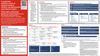 November 2025 in “SKIN The Journal of Cutaneous Medicine”
 This review highlights the significant psychosocial impact of alopecia areata on children and adolescents, affecting self-esteem, relationships, academic performance, and the well-being of their families.
 September 2025 in “Journal of Cosmetic Dermatology”
 This review found that hair transplantation can positively impact self-esteem and emotional well-being when patients are properly screened for psychological risk factors, but inadequate screening may lead to dissatisfaction or worsened mental health.
August 2025 in “UWE Research Repository (UWE Bristol)” In this study, researchers interviewed women with rosacea to understand its impact on their romantic relationships, revealing challenges with self-esteem, intimacy, and a fear of negative judgment, as well as highlighting the need for supportive partners and open communication to cope with the condition.
June 2025 in “British Journal of Dermatology” In this systematic review, the authors found that hair loss in women causes significant psychological distress, with supportive interventions like cognitive behavioral therapy and cosmetic solutions helping to reduce anxiety, improve coping, and enhance quality of life.

This review reports that androgenetic alopecia in young adult men is consistently linked to lower self-esteem, increased anxiety, and a higher risk of depression, suggesting significant psychosocial impacts beyond cosmetic concerns.
 January 2025 in “Trepo - Institutional Repository of Tampere University”
 Alopecia areata significantly harms women's self-image, causing reduced confidence and social isolation.
 August 2024 in “International Journal of Ayurveda and Pharma Research”
 This study provides a comprehensive review of Ayurvedic insights into Darunaka, suggesting that its management principles can still improve quality of life by addressing underlying pathophysiology.
 June 2024 in “British Journal of Dermatology”
 This narrative focuses on the experiences of two women with permanent chemotherapy-induced alopecia, highlighting the severe psychological and social impact along with dissatisfaction over pre-treatment information about hair loss, which they initially believed to be temporary.
 March 2024 in “CRC Press eBooks”
 This article discusses the psychosocial impact of androgenetic alopecia and does not report new findings; it highlights the perceived effects of hair loss on self-esteem and confidence.
 January 2024 in “JEADV clinical practice”
 This study reviewed research on the psychosocial effects of gender-affirming dermatology treatments in transgender populations, finding mostly positive associations but noting significant limitations and the need for more comprehensive studies to clearly understand these effects.
 December 2023 in “Trials”
 In this randomized controlled trial involving breast cancer patients undergoing chemotherapy, this study investigated the efficacy of low-level light therapy for preventing hair loss, measuring outcomes like hair count and patient quality of life, but the abstract does not report specific results.
 June 2023 in “Brazilian Journal of Health Review”
 In this integrative review, the researchers found that hair transplantation can significantly improve psychosocial outcomes for male patients with androgenetic alopecia, enhancing their appearance, self-esteem, social functioning, and overall quality of life.