 1 citations
,
January 2025 in “Frontiers in Oncology”
1 citations
,
January 2025 in “Frontiers in Oncology” This review highlights REV7's crucial roles in maintaining genome stability, its implication in several cancers, and its association with poor prognoses and treatment resistance, while also noting that REV7 suppression may improve chemotherapy sensitivity.
February 2009 in “RePub (Erasmus University Rotterdam)” This thesis investigates the role of phosphorylation and the mutation F826L in modulating androgen receptor activity, but concludes that the precise effects are not yet fully clear.
 26 citations
,
June 2018 in “The journal of immunology/The Journal of immunology”
26 citations
,
June 2018 in “The journal of immunology/The Journal of immunology” This study demonstrated that AIRE-deficient rats exhibit key symptoms of APECED, making them a relevant model for exploring potential treatments.
 November 2024 in “SKIN The Journal of Cutaneous Medicine”
 This study found that ritlecitinib, taken daily, led to scalp, eyebrow, and eyelash hair regrowth in patients aged 12 and older with severe and very severe alopecia areata over a 24-month period.
September 2025 in “Blood Advances” This study found that targeting androgen receptors with prostate cancer drugs ARN509 and finasteride induced remission and increased survival in a leukemia mouse model, suggesting a potential new treatment approach for acute myeloid leukemia.
 5 citations
,
August 2023 in “The World Journal of Men s Health”
5 citations
,
August 2023 in “The World Journal of Men s Health” This study found that red ginseng oil (RXGIN) significantly improved lower urinary tract symptoms and some aspects of sexual function in men, with no serious adverse events reported.
129 citations
,
January 2004 in “Journal of medicinal chemistry” This study synthesized nonsteroidal ligands as second-generation androgen receptor agonists and identified three compounds with significant anabolic activity and moderate to minimal androgenic activity in vivo.
 November 2025 in “Mendeley Data”
 Using 5-alpha reductase inhibitors may lower prostate cancer risk in people with androgenetic alopecia.
March 2026 in “Microchemical Journal” This study used whole-genome resequencing to analyze genetic diversity and selection in 17 rabbit breeds, identifying genes linked to traits like coat color and body size, which could inform breeding and conservation efforts.
June 2025 in “British Journal of Dermatology” This case report details a probable severe adverse event associated with ritlecitinib for alopecia areata, highlighting risks of pulmonary emboli, infection, atrial fibrillation, and acute kidney injury despite an absence of known risk factors.
1 citations
,
September 2023 in “Frontiers in Genetics” This study presents a rare case where a patient with a heterozygous mutation in the HTRA1 gene, typically considered non-pathogenic, exhibited severe symptoms and typical features of CARASIL, expanding the understanding of this condition.
1 citations
,
June 2016 in “Annals of the rheumatic diseases” In this study, researchers found that retinoids might improve lupus nephritis resistant to conventional treatments, but the sample size was too small for significant results, and side effects were noted.
January 2023 in “Frontiers in Medicine” This study found that ALRV5XR showed the highest efficacy for terminal hair regrowth in both men and women with androgenetic alopecia, with less treatment resistance compared to other therapies.
1 citations
,
January 2012 In this study, the researchers cloned and analyzed the CRABP I gene in Inner Mongolian cashmere goats, finding its highest mRNA expression at 90 days in embryo skin compared to later stages.
21 citations
,
January 2006 in “Hormone Research in Paediatrics” In this case study, a girl with hereditary vitamin D resistant rickets had a novel mutation in the VDR gene that affected hair cycling without causing total alopecia, suggesting ligand-independent VDR function in hair cycling.
 16 citations
,
August 2011 in “Annals of Allergy Asthma & Immunology”
16 citations
,
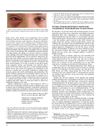
August 2011 in “Annals of Allergy Asthma & Immunology” This report describes a case of a 19-year-old woman experiencing severe recurrent angioedema with airway issues, leading to multiple emergency visits and unsuccessful treatment with typical steroid-sparing agents.
15 citations
,
March 2015 in “PloS one” This study demonstrated that an AR-EGFP transgene can restore AR function and fertility in Sertoli cell-specific AR knockout mice, highlighting its potential use in understanding androgen receptor functions.
1 citations
,
November 2023 in “SKIN The Journal of Cutaneous Medicine”  16 citations
,
October 1994 in “The Journal of Steroid Biochemistry and Molecular Biology”
16 citations
,
October 1994 in “The Journal of Steroid Biochemistry and Molecular Biology” Two non-steroidal antiandrogens, RU 58841 and RU 56187, form a common metabolite at different rates, which may influence their effects; RU 56187 could be used for prostate cancer treatment and RU 58841 for acne treatment.
 6 citations
,
May 2008 in “Current Opinion in Oncology”
6 citations
,
May 2008 in “Current Opinion in Oncology” This review covers recent advances in prostate cancer risk assessment, diagnosis, and treatment but does not report new clinical results; further studies on androgen deprivation therapy's cardiovascular risks are particularly noted.
10 citations
,
January 2020 in “Biomedicine & Pharmacotherapy” This study found that XiaoZhenFang (XZF) reduced skin toxicities caused by Erlotinib in a mouse model, likely through mechanisms involving inflammation and EGFR-related pathways.
5 citations
,
March 2013 in “BMJ case reports” This case report suggests that Roux-en-Y gastric bypass may improve symptoms of non-classic adrenal hyperplasia related to 11-hydroxylase deficiency by reducing insulin resistance.
37 citations
,
August 2011 in “Journal of Bone and Mineral Research” This study reported a case of hereditary vitamin D–resistant rickets caused by a single heterozygous missense mutation in the VDR gene, showing dominant-negative effects and reduced response to 1,25-dihydroxyvitamin D3.
 April 2024 in “Communications biology”
 The researchers reported that disrupting ATRA signaling by deleting RDHE genes in the hair follicle led to altered hair follicle cycles, composition, and gene expression, indicating RDHEs' role in hair follicle signaling coordination.
2 citations
,
January 2008 in “Oxford University Research Archive (ORA) (University of Oxford)”  10 citations
,
September 2015 in “PLoS ONE”
10 citations
,
September 2015 in “PLoS ONE” This case report documents a female toddler with novel compound heterozygous mutations in the VDR gene causing hereditary 1,25-dihydroxyvitamin D-resistant rickets, expanding the known mutation spectrum for this disease.
 2 citations
,
May 2025 in “Frontiers in Pharmacology”
2 citations
,
May 2025 in “Frontiers in Pharmacology” In this study, analysis of FDA data revealed a substantial risk of dermatologic adverse events with aromatase inhibitors, especially anastrozole and exemestane, highlighting the importance of dermatologic monitoring during such therapies.
 1 citations
,
September 2019 in “Steroids”
1 citations
,
September 2019 in “Steroids” In this study, genetic testing confirmed the diagnosis of Androgen insensitivity syndrome in most CAIS patients in Tunisia and identified two previously unreported mutations in the androgen receptor gene.
 January 2024 in “Wiadomości Lekarskie”
 This study reports that Abelson Interactor 1 (ABI1) regulates androgen receptor transcription in prostate cancer, identifying it as a potential target for new therapies addressing treatment resistance.