 July 2026 in “bioRxiv (Cold Spring Harbor Laboratory)”
 This study identified a new FAK isoform, FAKΔe4, which is regulated by ECM stiffness and affects cell migration, invasion, and mechanosensing in human-derived data and engineered models.
December 2021 in “Cosmetics” 11 citations
,
December 2013 in “Clinical and experimental dermatology” This study reports a case of a child with congenital skin fragility, alopecia, and cardiomyopathy due to compound heterozygous mutations in the DSP gene causing desmoplakin deficiency.
 January 2016 in “SpringerBriefs in bioengineering”
 This article discusses the structure and function of the skin's epidermis, detailing its role as a protective barrier and nutrient exchange system, without presenting new research findings.
 April 2019 in “Journal of Investigative Dermatology”
 This study found that post-hematopoietic cell transplantation epidermal grafting significantly reduced chronic wound size in patients with recessive dystrophic epidermolysis bullosa.
 June 1996 in “Journal of Dermatological Science”
 Vitamin D3 applied to mouse skin caused more wrinkles and sagging due to changes in the skin's outer layer.
43 citations
,
January 2014 in “Indian Journal of Dermatology” This study reported that EGFR inhibitor therapy in lung and head/neck cancer patients was associated with acneiform eruptions and severe skin dryness, which rarely necessitate discontinuation of treatment and can be managed symptomatically.
 11 citations
,
March 2019 in “EMBO molecular medicine”
11 citations
,
March 2019 in “EMBO molecular medicine” This paper reviews the role of endoplasmic reticulum stress and the unfolded protein response in Hutchinson-Gilford progeria syndrome-related atherosclerosis, especially in vascular smooth muscle cells, but reports no clinical findings; intervention in these pathways is suggested as a potential therapeutic strategy.
 10 citations
,
October 2015 in “Journal of the International Association of Providers of AIDS Care”
10 citations
,
October 2015 in “Journal of the International Association of Providers of AIDS Care” This case report describes a severe form of HIV-associated pityriasis rubra pilaris in a dark-skinned woman that improved rapidly and sustainably with combination antiretroviral therapy, despite atypical presentation without significant erythroderma.
13 citations
,
April 1994 in “Baillière's clinical endocrinology and metabolism” This review discusses inherited forms of vitamin D-dependent rickets and explains their genetic and metabolic causes but reports no new clinical findings.
 August 2018 in “Journal of The American Academy of Dermatology”
 A 5-year-old girl with a rare skin disorder was effectively treated with skin creams instead of oral medication.
1 citations
,
August 2025 in “Genes” This study identified genetic variations that could serve as candidate markers for improving body conformation traits in Kazakh fat-tailed coarse-wool sheep through marker-assisted selection.
 November 2025 in “Cancer Management and Research”
 This study highlighted Keratin 17's critical role in cancer therapy resistance across several malignancies, involving various signaling pathways, and identified it as a significant biomarker and potential therapeutic target, particularly in reversing resistance.
7 citations
,
May 2012 in “Journal of veterinary diagnostic investigation” This study reports that vitamin A deficiency can cause dermatologic issues like alopecia and orthokeratosis in Angus calves, and affected calves improved with vitamin A supplementation.
 October 2024 in “Journal of the Endocrine Society”
 This case study reports on a rare form of vitamin D resistant rickets in a 37-year-old male, highlighting the condition's clinical features and the necessity for a thorough understanding of calcium and vitamin D metabolism in the diagnosis and management of metabolic bone diseases.
7 citations
,
July 1981 in “Clinical and Experimental Dermatology” This study found that the normalized androgen ratio (NAR) could help evaluate androgen activity in women with acne vulgaris, hirsutism, and androgenetic alopecia, showing elevated NAR in some patients.
32 citations
,
May 2018 in “The Plant Cell” This article discusses the crucial role of root hairs in water and nutrient uptake from soil and reports no new findings.
This study found that in mice, type XVII collagen is essential for controlling epidermal cell proliferation through Wnt signaling, with its deficiency or altered distribution leading to skin hyperproliferation and aging-like changes.
71 citations
,
May 2006 in “The journal of investigative dermatology/Journal of investigative dermatology” In this study, researchers found that trichothiodystrophy hair brittleness is linked to abnormalities in sulfur content and structural organization, making it prone to breakage.
16 citations
,
February 2019 in “Journal of Cellular and Molecular Medicine” This study established a rat model of radiation-induced dermatitis using 90 Gy irradiation, which may aid in exploring new treatments and understanding the pathology, particularly highlighting autophagy regulation as a potential therapeutic target.
173 citations
,
July 2012 in “British Journal of Dermatology” This study found that the administration of the mutant BRAF inhibitor dabrafenib in patients with metastatic melanoma was associated with various skin lesions, including keratinocytic proliferation that sometimes showed low-grade malignancy features.
 11 citations
,
January 2012 in “Journal of cell science”
11 citations
,
January 2012 in “Journal of cell science” This study demonstrates that Rac1 activity is essential for normal hair follicle formation but influences hair structure and pigmentation, in terminal differentiation, through alterations in hair shaft, cuticle, and pigmentation organization.
 28 citations
,
May 1998 in “Skin Research and Technology”
28 citations
,
May 1998 in “Skin Research and Technology” This study characterized the stress-strain properties of the human scalp and found that its stiffness increases significantly with load, providing valuable insights for planning scalp surgery procedures.
July 2022 in “European Journal of Dermatology” In this study, researchers found that patients with psoriasis had a higher probability of achieving and maintaining a clinical response using brodalumab compared to ustekinumab over 52 weeks, as measured by a multistate modelling approach based on absolute PASI scores.
 November 2020 in “bioRxiv (Cold Spring Harbor Laboratory)”
 This study found that the Polycomb Repressive Complex 2, particularly its component Ezh2, is crucial in regulating dermal fibroblast differentiation and epidermal keratinocyte proliferation during murine skin development.
July 2024 in “Journal of Investigative Dermatology” Mechanical tension worsens keloid scars by activating inflammation and fibrosis pathways.
March 1997 in “The Lancet” Hirsutism is abnormal male-pattern hair growth in females due to excess androgens.
4 citations
,
July 2024 in “Animals” In this study on Chinese Tan sheep, researchers discovered a variant of the KRTAP19-5 gene associated with decreased curvature of fine wool fibres, highlighting potential genetic markers for improving wool quality.
 November 2025 in “Frontiers of Agricultural Science and Engineering”
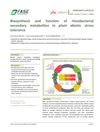
 This study observed that rhizobacterial strain RT3 significantly improved drought tolerance in lettuce by increasing survival rates and fresh biomass after rewatering, with metabolites such as proline and glycine enhancing stress resilience.
The researchers reported that yak hair fibers undergo macromolecular conformational changes and partial slippage of macromolecules during stretching, confirming this as the main stretching mechanism when the stretching ratio is large.