October 2014 in “Archivio Istituzionale della Ricerca (Universita Degli Studi Di Milano)” This study identified a new subset of Ret-positive sensory neurons involved in itch perception, characterized by their unique expression profile and response to specific itch-inducing molecules.
66 citations
,
May 2002 in “The Plant Journal” This study identified a mutant in Arabidopsis with shorter root hairs due to early growth cessation, implicating the IRE gene in regulating root hair growth duration.
 September 2024 in “Journal of Medicine and Life”
 In this study, researchers identified a recurrent nonsense mutation, c.409C>T (p.Arg137*), in the COL7A1 gene through whole exome sequencing in a family with autosomal recessive dystrophic epidermolysis bullosa, demonstrating the importance of this method for diagnosing genetically complex conditions.
 5 citations
,
November 2022 in “Journal of Ginseng Research/Journal of ginseng research”
5 citations
,
November 2022 in “Journal of Ginseng Research/Journal of ginseng research” This study investigated the role of autophagy in human dermal papilla cells and found that inhibiting autophagy accelerates the catagen phase by reducing Wnt/β-catenin signaling. Furthermore, adding ginsenoside Re appears to restore autophagy, suggesting potential benefits for mitigating hair loss linked to autophagy inhibition.
77 citations
,
April 2005 in “Journal of Investigative Dermatology” Repetin is a protein involved in skin and hair development, binding calcium and compensating for other proteins when needed.
 29 citations
,
January 2010 in “Methods in Enzymology”
29 citations
,
January 2010 in “Methods in Enzymology” This review discusses five genetic fate mapping methods used to study cell behaviors during development and regeneration, detailing the necessary tools and considerations without reporting new experimental results.
August 2024 in “British Journal of Dermatology” The trial is ongoing, but researchers are evaluating the efficacy and safety of REZPEG, a potential new therapy for severe alopecia areata, which selectively expands regulatory T cells.
 9 citations
,
October 2022 in “Nature Communications”
9 citations
,
October 2022 in “Nature Communications” In this study, researchers developed a new photoactivatable Cre recombinase mouse model, DiLiCre, which allows precise light-induced genetic modifications and cell tracing, demonstrating its effectiveness for advancing biological and biomedical research.
 13 citations
,
August 2007 in “Bioorganic & medicinal chemistry letters”
13 citations
,
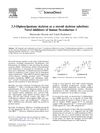
August 2007 in “Bioorganic & medicinal chemistry letters” This study developed a new competitive 5alpha-reductase inhibitor with an IC(50) of 0.84 microM using a novel chemical structure.
This study demonstrated that Reverse Protein Engineering can decrease the size of Firefly Luciferase from 550 to less than 80 amino acids, but further research is needed to ensure these smaller peptides retain bioluminescent activity.
 1 citations
,
September 2019 in “Journal of Investigative Dermatology”
1 citations
,
September 2019 in “Journal of Investigative Dermatology” In this study, researchers used a CRISPR-based method to correct mutations in the COL7A1 gene in stem cells from RDEB patients, restoring normal collagen expression in engineered skin grafts in mice.
January 2020 in “Archivio Istituzionale della Ricerca (Universita Degli Studi Di Milano)” This study found that Polycomb Repressive Complex 1 is crucial for maintaining stem cell identity across different lineages, but its loss results in varied transcriptional outcomes depending on the tissue context.
 January 2024 in “Wiadomości Lekarskie”
 This study reports that Abelson Interactor 1 (ABI1) regulates androgen receptor transcription in prostate cancer, identifying it as a potential target for new therapies addressing treatment resistance.
August 2009 in “Mechanisms of Development” 408 citations
,
May 2004 in “The Journal of clinical endocrinology and metabolism/Journal of clinical endocrinology & metabolism” This study found that dutasteride more effectively reduced serum dihydrotestosterone levels than finasteride in patients with benign prostatic hyperplasia.
32 citations
,
August 2016 in “Science Signaling” This study developed PiSCES biosignatures that distinguished alopecia areata patients from controls, revealing enhanced basal TCR signaling and a potential disease-specific signaling network signature.
 22 citations
,
September 2014 in “Hormones”
22 citations
,
September 2014 in “Hormones” This study found that an 8-week stress management program significantly reduced perceived stress and improved glycemic control in patients with type 2 diabetes.
 19 citations
,
January 1997 in “Endocrinology”
19 citations
,
January 1997 in “Endocrinology” This study observed that testosterone inhibits hair follicle epithelial cell proliferation in adult stumptailed macaques only when dermal papilla cells from bald scalps are present, with antiandrogen RU 58841 reversing this effect.
14 citations
,
January 2020 in “Evidence-based Complementary and Alternative Medicine” This study found that a newly synthesized peptide from fermented Trapa japonica extract significantly promoted wound recovery and showed antiaging effects in skin cells and a clinical study, suggesting potential as a cosmetic product.
2 citations
,
April 2021 in “Asian pacific Journal of Tropical Biomedicine” This study found that Origanum vulgare extract significantly ameliorated finasteride-induced liver and kidney damage in mice by improving biochemical indices, reducing inflammation, and enhancing antioxidant status in a dose-dependent manner.
 April 2024 in “Prostate international”
 In this study using Mendelian randomization analysis, researchers found no causal relationship between androgenic alopecia and prostate cancer risk, suggesting that previously observed associations in epidemiological studies might not be causal.
 1 citations
,
November 2023 in “Rice”
1 citations
,
November 2023 in “Rice” This study found that PRX102, a peroxidase with a unique polar localization pattern, plays a role in root hair growth by aiding the transport of materials to the tips of growing root hairs.
 November 2023 in “The journal of investigative dermatology/Journal of investigative dermatology”
 This study found that engineered high-affinity soluble CD200R agonists, including ARQ-234, showed superior efficacy in reducing immune responses in various preclinical models of inflammatory conditions, suggesting potential as a therapeutic for atopic dermatitis and other related diseases.
3 citations
,
May 2025 in “Plant Cell & Environment” This study found that in Arabidopsis, the CLE14 peptide regulates root hair growth by promoting elongation, an effect that requires CLV2 and CRN proteins and involves ethylene signalling along with hydrogen peroxide and nitric oxide pathways.
 1 citations
,
January 2025 in “Frontiers in Oncology”
1 citations
,
January 2025 in “Frontiers in Oncology” This review highlights REV7's crucial roles in maintaining genome stability, its implication in several cancers, and its association with poor prognoses and treatment resistance, while also noting that REV7 suppression may improve chemotherapy sensitivity.
 3 citations
,
December 2000 in “International Journal of Cosmetic Science”
3 citations
,
December 2000 in “International Journal of Cosmetic Science” This study established that a human epidermal model can be utilized to assess 5alpha-reductase activity and evaluate enzyme modulators, such as finasteride, for dermatological applications.
22 citations
,
April 2004 in “Journal of Neurochemistry” In this study, acute restraint stress increased Y1 receptor gene expression in the amygdala and PVN of transgenic mice, but this effect was not due to elevated neuroactive steroid concentrations, indicating a potential ligand-induced mechanism.
 April 2017 in “Journal of Investigative Dermatology”
 This study found that PRC1 plays crucial roles in skin epithelial stem cell regulation, with catalytic and non-catalytic functions impacting epidermal integrity, hair development, and Merkel cell dynamics in murine models.
January 2026 in “SSRN Electronic Journal” 32 citations
,
May 2018 in “The Plant Cell” This article discusses the crucial role of root hairs in water and nutrient uptake from soil and reports no new findings.