 1 citations
,
June 2012 in “Springer eBooks”
1 citations
,
June 2012 in “Springer eBooks” This article discusses the potential of acupuncture as a complementary or alternative therapy for PCOS, highlighting experimental evidence of its positive effects on reproductive and metabolic function, but reports no new clinical results.
 1 citations
,
March 2012 in “Journal of Dermatological Science”
1 citations
,
March 2012 in “Journal of Dermatological Science” This study found that various steroids affected the mRNA expression of enzymes involved in lipid metabolism in hamster flank organs, with different impacts depending on the steroid and combination used.
 1 citations
,
November 2002 in “Journal of dermatology”
1 citations
,
November 2002 in “Journal of dermatology” This study investigated the histogenetic relationship between basal cell carcinoma and hair follicles, revealing specific staining patterns of a monoclonal antibody in different skin tissues.
This source provides medical information intended solely for licensed professionals and emphasizes that it is not a substitute for medical advice, diagnosis, or treatment decisions, which remain the responsibility of treating physicians.
 January 2026 in “Microsystems & Nanoengineering”
 This study analyzed 853 articles to reveal that research on silica-based nanobiomaterials in regenerative medicine has rapidly increased, with distinct regional differences in impact and emerging focus areas in drug delivery and wound healing.
 January 2026 in “International Journal of Science and Research (IJSR)”
 In this study, artificial intelligence's integration into Indian aesthetic medicine has expanded from consumer apps to crucial roles in diagnostics, treatment planning, and clinic management, driven by demands for precise data over subjective opinions and enhancing competitive advantage.
 January 2026 in “Food Science and Human Wellness”
 This study found that oral administration of Flammulina velutipes polysaccharide reduced tumor volume and improved survival in mice by modulating macrophage polarization and enhancing antitumor immune responses.

This study evaluated machine-learning models to predict PCOS among reproductive-aged women in Bangladesh, finding that the XGBoost model achieved high accuracy (99.63%) and effectiveness, particularly when prioritizing clinical features over psychological ones in the predictive process.
 October 2025 in “International Journal of Innovative Research in Technology”
 This review examines the evidence on nutritional and herbal supplements for women's health, emphasizing the need for more long-term studies to develop evidence-based guidelines for personalized supplementation.

This study reviews 10 herbal supplements, including Berberine and Cinnamon, as alternative treatments for PCOS, noting they are more accessible and affordable than conventional medications, especially in low-resource settings, though further clinical research is needed.
 January 2025 in “Universidad de Córdoba Insitutional Repository (Universidad de Córdoba)”
 In this study, researchers observed that individuals with alopecia areata exhibited significant changes in scalp microbiota diversity and composition, which were linked to disease severity and inflammation markers, though it remains unclear if these microbial shifts are a cause or a result of hair loss.
This study focused on developing a nanoemulsion-based gel for delivering minoxidil, aiming to enhance its contact time with the scalp and potentially improve skin absorption compared to conventional topical solutions.
 December 2024 in “Quality in Sport”
 This review found that hormones significantly impact women's health and athletic performance, influencing the menstrual cycle, menopause, and exercise responses, while therapies like contraception and hormone replacement require personalized approaches to balance benefits and risks.
 August 2024 in “Bionatura journal :”
 This study found that the hydromethanolic extract of Carthamus caeruleus L. rhizome demonstrated significantly higher antioxidant and cytotoxic activities compared to the chloroformic extract, particularly against NCI-H460 lung carcinoma cells, suggesting its potential use as a traditional treatment for burns.
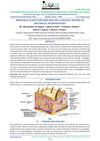 March 2024 in “International Research Journal Of Modernization In Engineering Technology And Science”
 This review highlights the beneficial effects of certain herbal drugs in treating skin diseases, such as their healing, antifungal, antiviral, antibacterial, anti-inflammatory, and antitumor-promoting activities, emphasizing recent technical advancements in the field over the past 17 years.
 January 2024 in “Journal of chemical health risks”
 In this study, gold nanoparticles-embedded ceria nanoparticles with enhanced antioxidant activities effectively reduced inflammation and colon injury in a colitis mouse model, suggesting their potential as a nano-therapeutic for inflammatory bowel disease.
 December 2023 in “Research in pharmacy”
 This review underscores the importance of phytotherapeutic compounds and adjuncts in managing polycystic ovarian syndrome but does not present new clinical evidence.
 July 2023 in “Journal of Natural Remedies”
 This review highlights the diverse potential medicinal properties of kavalactones from Alpinia zerumbet, which include antioxidant, anti-cancer, and anti-inflammatory activities, among others, and suggests fields for further research.

In this study, researchers found that female rats exhibited more pronounced panic-related escape behavior during hypoxia, particularly in the diestrus phase, and that low-dose fluoxetine reduced this behavior, suggesting its potential for managing panic disorder symptoms related to hormonal cycles in women.

This article reviews various topics including medically important plants in dermatology, supporting medicinal herbs for primary dysmenorrhea, and several drug delivery systems, without providing new clinical findings.
 January 2023 in “Zdravstvena zaštita”
 This review evaluates current research on how hormonal changes due to aging impact voice quality, concluding the vocal cords are sensitive to hormonal fluctuations throughout life but reports no new clinical results.
 January 2023 in “Book of Abstracts”
 COVID-19 can cause different types of hair loss, with telogen effluvium being the most common.
 January 2022 in “Medical research archives”
 This article reviews the potential role of vitamin D supplementation as an adjunct to alemtuzumab therapy in multiple sclerosis management, noting its possible benefits for autoimmune comorbidities and patient adherence, but reports no new clinical results.
 February 2021 in “Research Square (Research Square)”
 In this observational study, the Liposome-Paclitaxel plus Carboplatin regimen showed better short-term efficacy and comparable long-term outcomes for serous ovarian cancer compared to other regimens.
 January 2020 in “Journal of quality in health care & economics”
 This study found that all participating depressed women in the sample had vitamin D deficiency or insufficiency, suggesting a possible association between vitamin D levels and depression among women in Iraq.
 January 2020 in “Asian journal of applied science and technology”
 This source provides an overview of the dietary recommendations for macronutrient intake and the benefits of plant-based diets, including meeting essential amino acid needs through combining plant proteins and the advantages of consuming complex carbohydrates and adequate fiber for health.
 January 2018 in “Deleted Journal”
 In this observational study of 110 women with PCOS, the researchers found that 52.7% experienced depression and anxiety, with Metformin being the most prescribed drug. Regular counseling and lifestyle management were noted to improve the overall disease prognosis.
 December 2017 in “International Journal of Current Research in Biosciences and Plant Biology”
 This paper discusses how various nutrients and phytohormones affect root hair growth and suggests further research to understand the genetic and signaling mechanisms involved, but it reports no new experimental findings.
 January 2014 in “Journal of Investigative Dermatology”
 Proteins like aPKC and PDGF-AA, substances like adenosine and ATP, and adipose-derived stem cells all play important roles in hair growth and health, and could potentially be used to treat hair loss and skin conditions.
 June 2026 in “Frontiers in Oncology”
 In this study, researchers found that deficiencies in Gsdma1/2/3 significantly inhibited the initiation and progression of cutaneous squamous cell carcinoma (cSCC) in mice, suggesting GSDMA's role in promoting cSCC proliferation and its potential as a therapeutic target.