 3 citations
,
June 1983 in “Archives of Dermatology”
3 citations
,
June 1983 in “Archives of Dermatology” This article discusses the effectiveness of adrenal cortex compounds E and F in treating connective tissue disorders like rheumatoid arthritis and lupus erythematosus, but it reports no new clinical results.
January 2026 in “International Journal of Dermatology” In this study, researchers reported that treating alopecia areata patients with ritlecitinib led to progressive improvements in emotional symptoms and activity limitations over 48 weeks, though the post hoc analysis and trial setting suggest caution in interpreting the findings for broader populations.
46 citations
,
May 2013 in “The journal of investigative dermatology/Journal of investigative dermatology” This review discusses the state-of-the-art knowledge on pseudoxanthoma elasticum, summarizing recent advancements in genetics, pathomechanisms, and potential treatments but reports no new clinical findings.
 December 2025 in “npj Breast Cancer”
 In the phase 3 CAPItello-291 trial, capivasertib combined with fulvestrant significantly increased progression-free survival in patients with advanced breast cancer with specific genetic alterations, but the authors highlight that managing side effects like diarrhea, rash, and hyperglycemia is crucial for optimizing treatment adherence and outcomes.
This review suggests that injectable platelet-rich fibrin therapy shows promise for improving hair density in androgenetic alopecia and enhancing facial skin texture and elasticity, but larger studies are needed to confirm its effectiveness.
 January 2024 in “Journal of dermatology and skin science”
 In this study, researchers found that applying topical aprepitant, which blocks substance P receptors, significantly reduced facial dermatitis and hair loss in rats experiencing erlotinib-induced skin side effects, highlighting the neurogenic inflammation's role and the protective effect of ROS inhibition.
December 2024 in “The American Journal of Gastroenterology” This case report highlights the successful use of tofacitinib in a 12-year-old patient with Crohn’s disease who developed alopecia areata following infliximab treatment, showing significant hair regrowth and complete resolution of alopecia within eight months while maintaining remission of Crohn’s symptoms.
 168 citations
,
December 1986 in “Cancer Chemotherapy and Pharmacology”
168 citations
,
December 1986 in “Cancer Chemotherapy and Pharmacology” Epirubicin is as effective as doxorubicin for cancer treatment with less heart damage, but doesn't work on doxorubicin-resistant cancers.
134 citations
,
October 2020 in “Preprints.org” This review discusses recent advancements in platelet-rich plasma therapies for tissue repair and regenerative medicine, but reports no new clinical results, highlighting a need for translating research into human clinical protocols.
13 citations
,
February 2017 in “Clinical rheumatology” This report suggests that tofacitinib may be beneficial for patients with nail disease unresponsive to other treatments.
54 citations
,
February 2012 in “Pediatrics in Review” This article discusses systemic lupus erythematosus, covering its clinical features, treatments, and the recent FDA approval of belimumab, but does not present new clinical results.
 1 citations
,
May 2025 in “The Journal of Rheumatology”
1 citations
,
May 2025 in “The Journal of Rheumatology” This case report highlights the challenge of distinguishing between neuropsychiatric lupus and rituximab-associated progressive multifocal leukoencephalopathy in systemic lupus erythematosus patients, emphasizing the importance of early recognition and careful management.
 13 citations
,
November 2021 in “Pediatric Dermatology”
13 citations
,
November 2021 in “Pediatric Dermatology” This study found that oral tofacitinib was effective and well tolerated for treating alopecia areata in most pediatric patients, with nearly 73% experiencing hair regrowth.
116 citations
,
December 2003 in “Acta Dermato Venereologica” This study reports that Iressa, an anti-cancer agent, commonly causes acneiform eruptions and xerosis as cutaneous side effects, similar to other agents targeting epidermal growth factor receptors.
 February 2026 in “Trials”
 The Exfoliate-Dissolve-Repair skincare approach may effectively treat keratosis pilaris and reduce the need for corticosteroids.
 52 citations
,
February 2006 in “Archives of Dermatology”
52 citations
,
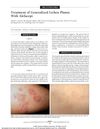
February 2006 in “Archives of Dermatology” This case report describes a 25-year-old woman with widespread lichen planus who did not respond to multiple systemic treatments, including antihistamines, hydroxychloroquine sulfate, and corticosteroids.
September 2025 in “Journal of the American Academy of Dermatology” Ritlecitinib may help treat alopecia areata by protecting hair follicles.
23 citations
,
October 2024 in “British Journal of Dermatology” In this study, ritlecitinib showed sustained effectiveness and a favorable safety profile in treating alopecia areata in patients aged 12 and older over 24 months, with improvements observed in hair and eyebrow regrowth and patient satisfaction.
November 2023 in “SKIN The Journal of Cutaneous Medicine” 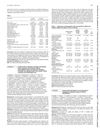 1 citations
,
May 2021 in “Annals of the rheumatic diseases”
1 citations
,
May 2021 in “Annals of the rheumatic diseases” This study found that tofacitinib may be effective for treating pediatric rheumatic diseases, with especially promising results in patients with autoinflammatory diseases, arthritis and alopecia, and juvenile dermatomyositis.
 2 citations
,
June 2019 in “Serbian Journal of Dermatology and Venereology/Serbian Journal of Dermatology and Venerology”
2 citations
,
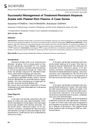
June 2019 in “Serbian Journal of Dermatology and Venereology/Serbian Journal of Dermatology and Venerology” This study reported remarkable improvement in three patients with treatment-resistant alopecia areata after receiving autologous platelet-rich plasma injections, suggesting the potential for this approach and a need for further randomized, placebo-controlled trials.
13 citations
,
April 2020 in “European Journal of Dermatology” This study found that apremilast treatment did not result in sustained improvement for most patients with treatment-resistant alopecia areata, although one patient experienced significant benefit.
January 2025 in “The Journal of Dermatology” This study found that patients with severe alopecia areata are willing to accept increased risks of serious infection, cancer, and blood clots when opting for a higher dose of ritlecitinib, valuing the potential for greater hair regrowth efficacy compared to a lower dose.
38 citations
,
January 2017 in “Mediators of Inflammation” This study found that platelet-rich growth factor significantly reduced the release of proinflammatory cytokines in an in vitro rheumatoid arthritis model.
4 citations
,
October 2019 in “Acta Médica Costarricense” This study highlights that while platelet-rich plasma is showing promise across multiple medical fields like dentistry and sports medicine, a lack of standardized protocols and robust clinical trials limits its routine clinical application.
 3 citations
,
February 2018 in “Vigilância Sanitária em Debate”
3 citations
,
February 2018 in “Vigilância Sanitária em Debate” This review discusses the characteristics and potential clinical applications of platelet-rich plasma in Brazil, emphasizing the need for standardized protocols and regulatory oversight to ensure safety and efficacy.
 1 citations
,
March 2022 in “PubMed”
1 citations
,
March 2022 in “PubMed” This review discusses the applications of platelet-rich plasma for non-scarring alopecia, including AGA and AA, but reports no new clinical results.
 April 2023 in “The journal of investigative dermatology/Journal of investigative dermatology”
 This study found that while 51.3% of severe alopecia areata patients achieved significant hair regrowth with intravenous methylprednisolone, oral Janus kinase inhibitors may benefit those who do not respond to this treatment.
2 citations
,
February 2025 in “Journal of the European Academy of Dermatology and Venereology” This study suggests that Janus kinase inhibitors may offer a potential treatment option for refractory lichen planopilaris and frontal fibrosing alopecia, showing positive response rates between 42% and 100%, though evidence quality is low.
July 2024 in “Journal of Investigative Dermatology” INTASYL is a promising, adaptable RNAi technology for treating skin cancers.