 March 2024 in “Journal of Microbiology and Biotechnology”
 This study suggests that phloroglucinol may enhance anagen signaling and reduce oxidative stress-induced damage in human dermal papilla cells, offering a potential therapy for hair loss.
17 citations
,
January 2015 in “JOURNAL OF CLINICAL AND DIAGNOSTIC RESEARCH” This report presents a case of Cronkhite-Canada syndrome in an elderly Indian male, adding to the approximately 450 cases documented worldwide, but introduces no new results about the condition.
January 2023 in “Figshare” This meta-analysis found that a combination of clobetasol, hydroxychloroquine, and N-acetylcysteine may be the most effective treatment approach for lichen planopilaris compared to other therapies.
2 citations
,
February 2021 in “Indian Dermatology Online Journal” This case report describes the first instance of classical lichen planopilaris with atrophic lichenoid plaques developing in a Blaschko-linear pattern due to imatinib treatment in a patient with chronic myeloid leukemia.
 January 2026 in “Physical Education Health and Social Sciences”
 This study found that integrating Lactobacillus-rich probiotic nutrition and fractional CO₂ laser therapy with clotrimazole in mucoadhesive hydrogels significantly improved clinical and structural outcomes for women with recurrent vulvovaginal candidiasis, suggesting a promising advanced therapy, though further validation in larger trials is needed.
65 citations
,
February 2018 in “The Plant Journal” This study found that PLDζ2 and NPC4 enzymes play distinct roles in lipid remodeling and root hair growth in Arabidopsis under phosphate deficiency, influencing root hair density and length in a tissue- and time-specific manner.
 July 2023 in “International journal of yogic, human movement and sports sciences”
 This study comprehensively analyzes a specific disease, detailing its prevalence, diagnostic criteria, and various types and subtypes, aiming to enhance understanding and guide personalized management strategies for improved patient outcomes.
7 citations
,
April 2024 in “Skin Research and Technology” This study found that ChatGPT provided fairly accurate answers to common psoriasis-related questions, as rated by medical experts, although it doesn't fully replace professional medical judgment or diagnosis.
 April 2024 in “Skin health and disease”
 In this pilot study, participants with lymphocytic primary cicatricial alopecia who applied 6% topical gabapentin solution twice daily for 12 weeks experienced significant symptom reduction, though there was no noticeable change in nerve fibre density or neuropeptide expression.
 16 citations
,
December 2018 in “ACS Biomaterials Science & Engineering”
16 citations
,
December 2018 in “ACS Biomaterials Science & Engineering” This research found that a biodegradable fibrous membrane incorporating fibroblast-derived ECM accelerated wound healing and improved neovascularization in a mouse model.
4 citations
,
December 2016 in “Blood” This study describes a case of cyclic thrombocytopenia where a novel MPL gene mutation may contribute to the disease, with gene expression changes in platelet and neutrophil genes preceding platelet count fluctuations.
September 2019 in “Journal of Investigative Dermatology” CCCA in women of African ancestry may be caused by PADI3 gene mutations and intense hair grooming.
92 citations
,
April 2009 in “Journal of Investigative Dermatology” The Celsr1 gene is crucial for normal hair patterning in mice.
3 citations
,
April 2018 in “Journal of Investigative Dermatology” CCCA may be a fibroproliferative disorder, and anti-fibrotic therapies could help.
 67 citations
,
May 2019 in “British Journal of Dermatology”
67 citations
,
May 2019 in “British Journal of Dermatology” In this study, newly diagnosed women with mycosis fungoides or Sézary syndrome and those with alopecia experienced significantly poorer health-related quality of life.
 January 2019 in “LASER THERAPY”
 Laser technologies improve medical treatments and outcomes.
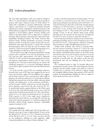 April 2012 in “Informa Healthcare eBooks”
 Lichen planopilaris is a rare, chronic condition causing hair loss, mainly in middle-aged women, and early treatment is important to prevent permanent baldness.
 May 2017 in “Journal of The American Academy of Dermatology”
 595 nm pulsed dye laser is a cost-effective treatment for nonmelanoma skin cancer with a low recurrence rate.
1 citations
,
October 2024 in “BMC Infectious Diseases” This study found that post-COVID-19 syndrome incidence varied significantly by gender and identified ALP levels as a potential biomarker for its detection, challenging current diagnostic criteria.
 May 2024 in “Animal genetics”
 The researchers investigated a Maine Coon cat with suspected classical Ehlers-Danlos Syndrome and discovered a heterozygous deletion in the COL5A1 gene, underscoring the value of whole-genome sequencing for precise veterinary diagnostics.
 August 2025 in “International Journal of Contemporary Pediatrics”
 This case report presents a rare subtype of hypomyelinating leukodystrophy linked to a PYCR2 gene mutation, emphasizing exome sequencing's value in diagnosing undiagnosed childhood HLDs with atypical symptoms.
 21 citations
,
September 2010 in “Archives of Dermatology”
21 citations
,
September 2010 in “Archives of Dermatology” This document provides a legal disclaimer and offers no research findings.
February 2019 in “International Journal of Dermatology and Clinical Research” In this study, Nε-(carboxymethyl) lysine was found to weaken hair follicle morphogenesis and inhibit essential cell activities in a model simulating accumulated glycation.

In this case report, a 65-year-old woman with lichen planopilaris achieved stabilization of her condition through early recognition and systemic corticosteroid therapy, emphasizing the critical role of coordinated management between primary care and dermatology.
89 citations
,
March 1996 in “Proceedings of the National Academy of Sciences” This study found that homozygous mutant mice with a hypomorphic CD18 mutation developed a chronic inflammatory skin disease resembling human psoriasis, potentially implicating additional genetic factors in disease susceptibility.
 1 citations
,
September 2013 in “The Journal of Dermatology”
1 citations
,
September 2013 in “The Journal of Dermatology” An 8-year-old girl developed a rare skin condition in a linear pattern on one side of her body after a lung infection, which improved with treatment.
 September 2015 in “University of Southern Denmark Research Portal (University of Southern Denmark)”
 This guideline provides a concise evidence-based overview of various aspects of polycystic ovary syndrome, including diagnosis and follow-up of secondary effects, but reports no new clinical results.
 January 2025 in “International Journal of Scientific Research”
 This study found that female pattern hair loss was present in 12.5% of PCOS patients examined, with most cases in younger women, highlighting early detection and management importance.
12 citations
,
October 2022 in “Facial Plastic Surgery” This study found that polycaprolactone gel injections were significantly more effective than sodium hyaluronate gel in improving nasolabial fold severity for Chinese patients over 12 months, with similar rates of mild injection-related adverse events between the groups.
 1 citations
,
September 2024 in “BMC Ophthalmology”
1 citations
,
September 2024 in “BMC Ophthalmology” This study found significantly elevated central corneal thickness and intraocular pressure in patients with polycystic ovary syndrome, suggesting it should be considered in evaluating anterior segment diseases and glaucoma in women.