14 citations
,
March 2000 in “Journal of Zoo and Wildlife Medicine” This study identified a new Demodex species causing demodicosis in a zoo koala, successfully treated with daily oral ivermectin.
2 citations
,
November 2023 in “Skin Research and Technology” This study found that RCM combined with dermoscopy can differentiate disease states between alopecia areata, tinea capitis, nevus sebaceous, and linear scleroderma of the scalp by identifying distinct dermal and follicular patterns.
1 citations
,
April 2013 in “Journal of Investigative Dermatology”  January 2013 in “Journal of dermatology”
 This letter to the editor raises the possibility of a new medical entity characterized by symptoms such as poikiloderma, hyperpigmentation, alopecia, malformed bones, lymphedema, and decreased cortisol, but provides no clinical results.
 April 2016 in “Journal of the American Academy of Dermatology”
 Dermoscopy helped correctly diagnose a skin condition that was previously misidentified as a different hair loss disease.
3 citations
,
January 2010 in “PubMed” This case study reports that a police dog's pododemodicosis lesions resolved completely six months after a treatment regimen of ivermectin, antibacterial drugs, and beta-glucan.
 January 2009 in “Springer eBooks”
 The document concludes that treating skin conditions should include psychological care and a multidisciplinary approach is essential for effective management.
 January 1996 in “Journal of Dermatological Treatment”
 Dermatologists should know about cosmetic science and aesthetics because patients care about skin appearance and health.
August 2023 in “Journal of Investigative Dermatology” Skin organoids can regenerate hair by forming specific cell units with certain signals.
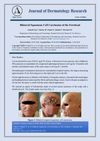
A 70-year-old man with skin cancer on both sides of his forehead was treated with surgery and cryotherapy, highlighting the need for early detection and prevention.
 October 2016 in “Elsevier eBooks”
 This article reviews the most common skin diseases worldwide and reports no new clinical findings.
 January 2025 in “International Journal of Biology Sciences”
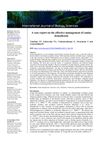
 In this case study, a 10-month-old Doberman with generalized demodicosis recovered fully after treatment with a combination of systemic and topical therapies, including ivermectin, hydroxyzine, enrofloxacin, fluralaner, and specialized shampoos.
31 citations
,
May 2013 in “Clinical Cosmetic and Investigational Dermatology” This review discusses dermocosmetic care for managing DM-related dermatoses, reporting improved skin conditions and quality of life in patients, but highlights limited clinical evidence for these products.
 April 2005 in “Dermatologic Clinics”
 The document summarizes recent dermatological treatments and advances in areas like pediatric care, wound healing, skin closure, light-based therapies, pigment disorders, hair loss, immunotherapy, infection management, melanoma, drug reactions, and facial rejuvenation.
 November 2022 in “Journal of Investigative Dermatology”
 This study demonstrated that hiPSC-derived hair-bearing skin organoids lacked sufficient type VII collagen at the epidermal-dermal junction, indicating a need for further maturation to model certain forms of epidermolysis bullosa effectively.
January 2019 in “Journal of the American Academy of Dermatology” This study found that many childhood cancer survivors at one institution delayed dermatologic care and had inadequate sun protection, risking late diagnosis of skin complications from cancer therapy.
 February 2009 in “International Journal of Dermatology”
 This article reports no new results; it is a publication of meetings, transactions, and society news from the International Journal of Dermatology.
 30 citations
,
May 2014 in “American Journal of Clinical Dermatology”
30 citations
,
May 2014 in “American Journal of Clinical Dermatology” This review discusses follicular and scarring disorders in skin of color and highlights the need for patient education and tailored therapeutic strategies, but does not report new clinical findings.

This thesis explores how optical coherence tomography and advanced imaging methods may address clinical needs in fields like interventional pulmonology and dermatology, highlighting their potential for disease assessment and staging.
1 citations
,
January 1987 in “Veterinary Dermatology” The study reported that topical 0.1% tacrolimus improved proliferative and necrotizing otitis externa in cats, with complete lesion resolution in some cases.
February 2009 in “Journal of the American Academy of Dermatology”  June 2023 in “Revista médica hondureña”
 In this study conducted at the Pediatric Hematology-Oncology Ward, 65% of hospitalized pediatric cancer patients developed dermatological lesions, predominantly alopecia and mucositis, possibly due to the administration of plant alkaloid chemotherapy, consistent with existing literature.
November 2008 in “Journal of the American Academy of Dermatology”  July 2016 in “American Journal of Dermatopathology”
 The meeting showcased rare skin disease cases, highlighting the need for accurate diagnosis and treatment.
 August 2001 in “Veterinary Dermatology”
 This article reviews topics from the American Academy of Veterinary Dermatology and American College of Veterinary Dermatology Annual Meeting and contains no new clinical findings.
 1 citations
,
January 2014 in “Journal of Cosmetics, Dermatological Sciences and Applications”
1 citations
,
January 2014 in “Journal of Cosmetics, Dermatological Sciences and Applications” The document's conclusion cannot be provided because the content is not available to parse.
 1 citations
,
April 2011 in “International Journal of Dermatology”
1 citations
,
April 2011 in “International Journal of Dermatology” This article covers the VII International Congress of the Asociación Dermatológica del Caribe but provides no new research results.
 172 citations
,
December 2004 in “Journal of The American Academy of Dermatology”
172 citations
,
December 2004 in “Journal of The American Academy of Dermatology” In this study, demodicoses were found to be relatively common among immunocompetent patients, with a notable overlap with papulopustular rosacea.
 April 2024 in “Oral Surgery Oral Medicine Oral Pathology and Oral Radiology”
 In this case report, the patient was diagnosed with oral lichen sclerosus following a detailed clinical and histological examination and referral to dermatology, and it underscores the importance of interdisciplinary collaboration in managing this rare condition and its associated risks.
 September 2017 in “Pediatric Dermatology”
 The document concludes that an experimental drug may help wound healing in Epidermolysis Bullosa, links Hydroa vacciniforme to EBV, discusses diagnosing hair loss disorders, finds many children with eczema have allergies, reviews the safety of a skin medication in children, notes side effects of a Duchenne's treatment, and identifies a marker for pediatric mastocytosis.