February 2025 in “PubMed” This article corrects a typographical error in a table of demographic data and does not present any new research findings.
14 citations
,
January 1991 in “PubMed” This study reports that once-daily oxiconazole cream effectively achieves mycologic and clinical cures for various fungal infections, with success rates of at least 80% in patients.
 1 citations
,
June 2026 in “Dermato”
1 citations
,
June 2026 in “Dermato” This narrative review found that ritlecitinib shows consistent effectiveness and a favorable safety profile for treating alopecia areata in clinical trials and real-world settings, with progressive hair regrowth observed, particularly when treatment is initiated early and maintained appropriately.
 May 2017 in “Journal of The American Academy of Dermatology”
 An intact skin barrier is crucial to prevent infection in cases of tether-induced tenosynovitis.
July 2026 in “Dermatology and Therapy” In this retrospective study, baricitinib and ritlecitinib showed similar effectiveness and safety over 52 weeks for treating severe alopecia areata, with non-severe adverse events more common for baricitinib, driven by weight gain.
 4 citations
,
October 2021 in “Scientific Reports”
4 citations
,
October 2021 in “Scientific Reports” This study found that NKIRAS2 expression affects skin tumor suppression and HRAS-driven transformation in mice, indicating its role in carcinogenesis depends on expression level and cellular context.

 March 1998 in “International Society of Hair Restoration Surgery”
 This article describes an educational site about genetics related to androgenetic alopecia and does not report any new research findings.
January 2025 in “The Journal of Dermatology” This study found that patients with severe alopecia areata are willing to accept increased risks of serious infection, cancer, and blood clots when opting for a higher dose of ritlecitinib, valuing the potential for greater hair regrowth efficacy compared to a lower dose.
December 2025 in “eTheses of Maulana Malik Ibrahim State Islamic University (Maulana Malik Ibrahim State Islamic University)” This study found that an optimal combination of ethnomedicinal extracts from East Nusa Tenggara, Indonesia, significantly increased hair length in mice, suggesting potential as a natural agent for hair growth through antioxidant mechanisms.
August 2025 in “BMC Pharmacology and Toxicology” The LTF gene may help predict and manage nonspecific orbital inflammation.
14 citations
,
November 2022 in “Development” This review discusses how transposable element activation may hinder tissue regeneration and explores mechanisms to control this activity, reporting no new experimental results.
January 2016 in “Texas ScholarWorks (Texas Digital Library)” This study suggests that the DORN1 receptor may play a role in eATP-induced changes in stomatal aperture in Arabidopsis thaliana, but not in the eADP signaling pathway.
1 citations
,
January 2018 in “Indian Journal of Dermatology/Indian journal of dermatology” This report describes cases of transient thyrotoxicosis potentially linked to oral retinoid treatment, suggesting a possible mechanism involving increased iodine uptake by thyroid cells.
August 2021 in “Indian dermatology online journal” This study reported an unusual case of nail matrix involvement and trachyonychia in a child with juvenile pityriasis rubra pilaris, showing significant improvement with topical therapy and oral biotin.
 November 2024 in “SKIN The Journal of Cutaneous Medicine”
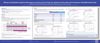
 This study found that ritlecitinib, taken daily, led to scalp, eyebrow, and eyelash hair regrowth in patients aged 12 and older with severe and very severe alopecia areata over a 24-month period.
 December 2025 in “Frontiers in Medicine”
 This case report presents the first instance of a pediatric alopecia areata patient switching from baricitinib to ritlecitinib, demonstrating favorable clinical outcomes, suggesting a potential new treatment pathway for children with severe cases of this condition.
 April 2026 in “The Open Biotechnology Journal”
 This review reports that resveratrol could benefit the management of chronic illnesses such as diabetes and cardiovascular disease, but challenges with bioavailability and regulatory issues persist.
January 2025 in “SSRN Electronic Journal” January 2007 in “Digital Commons @ Butler University (Butler University)” This project describes a book compiling humorous typos and errors with witty comebacks, but reports no new research findings.
1 citations
,
July 2021 in “Dermatologic Therapy” 1 citations
,
November 2019 in “Dermatologic Therapy” January 2021 in “Dermatologic Therapy” November 2020 in “Dermatologic Therapy” May 2020 in “Dermatologic Therapy” March 2020 in “Dermatologic Therapy” January 2020 in “Dermatologic Therapy”  September 2023 in “Dermatology and therapy”
 In this phase 2b/3 trial, ritlecitinib showed effectiveness in treating alopecia areata patients with varying hair loss profiles, significantly improving patient-reported outcomes for hair regrowth and satisfaction compared to placebo, regardless of the hair loss type and extent at baseline.
October 2024 in “Endocrinology Insights” In this study, researchers found that both the EU-TIRADS and Bethesda systems exhibited high specificity but suboptimal sensitivity for predicting thyroid nodule malignancy in patients who underwent surgery, with Bethesda system showing particularly high specificity in this postoperative population.