March 2026 in “AYUSHDHARA” In this case report, a 45-year-old woman with recently diagnosed hypothyroidism experienced significant symptom relief and a reduction in serum TSH levels after five months of Ayurvedic treatment, despite not using allopathic medication.
 February 2024 in “International Journal of Research Publication and Reviews”
 In this case study, researchers observed that Ayurvedic treatments, specifically Praccahnna and Tikta Patola patra swarasa Lepa, improved symptoms of alopecia areata, such as reducing patch size and hair fall.
 September 2025 in “International Journal of Ayurveda and Pharma Research”
 In this clinical study, researchers found that treating hair loss with Anutaila Nasya combined with Keshamitra Yoga was more effective in alleviating symptoms of Keshpatana compared to Keshamitra Yoga alone, with a significant reduction in hair fall observed.
February 2025 in “International Journal of Advanced Research” This study highlights Ayurveda's holistic approach to managing hair loss, known as Khalitya, through lifestyle changes, purification therapies, and targeted medications, addressing the condition's association with modern sedentary lifestyles and poor dietary habits.
 January 2025 in “Journal of Ayurveda and Integrated Medical Sciences”
 This review compiles references from classical Ayurveda texts on hair health, disorders, and treatments, emphasizing a holistic approach without reporting new clinical results.
 August 2025 in “Journal of Ayurveda and Integrated Medical Sciences”
 This review explores the Ayurvedic perspective on hair loss, specifically Khalitya, by aligning its traditional pathogenesis with contemporary understanding of alopecia's causes, suggesting an integrative approach combining Ayurvedic and modern treatments could enhance management and provide personalized solutions for hair loss.
 February 2024 in “Journal of ayurveda and integrated medical sciences”
 This case study reports that a patient with PCOD showed health improvements after treatment with Ayurvedic medicines and therapies, including Yoga Basti and specific herbal formulations.
August 2026 in “Journal of Ayurveda and Integrated Medical Sciences” This review discusses the connection between Polycystic Ovarian Syndrome and the Ayurvedic condition Pushpaghni Jatharini, proposing Ayurvedic management as a holistic approach to PCOS-related infertility, without reporting new clinical results.
 June 2026 in “Zenodo (CERN European Organization for Nuclear Research)”
 This study evaluated an Ayurvedic treatment protocol for Indralupta (similar to alopecia areata), finding significant clinical improvement with increased hair density and no adverse effects, suggesting it may be a safe, holistic alternative for managing alopecia areata.
1 citations
,
September 2017 in “Journal of Ayurvedic and Herbal Medicine” This study described a case where a 23-year-old male with excessive hair fall experienced significant improvement in dandruff, itching, and hair growth after Ayurvedic treatment involving Abhyanga with Dhurdhurpatradi Taila, bloodletting, and specific herbal medicines.
April 2025 in “Journal of Ayurveda and Integrated Medical Sciences” This paper reviews Ayurveda and Yoga as holistic approaches for managing PCOS, highlighting their potential efficacy in restoring hormonal balance and improving reproductive health but reports no new clinical results.
 July 2017 in “International journal of Ayurvedic and herbal medicine”
 This study revealed that Madayantika siddha taila, containing sesame oil, showed effectiveness in treating Darunaka (seborrhea capitis) by addressing aggravated Vata and Kapha doshas.
 3 citations
,
May 2016 in “International Journal of Research in Ayurveda and Pharmacy”
3 citations
,
May 2016 in “International Journal of Research in Ayurveda and Pharmacy” This paper reviews the potential of Ayurvedic herbs like ginger, garlic, and turmeric to reduce the side effects of cancer therapies and enhance patient wellbeing but reports no new experimental findings.
 67 citations
,
May 2018 in “Journal of Ginseng Research”
67 citations
,
May 2018 in “Journal of Ginseng Research” This paper highlights the need for a comprehensive red ginseng monograph to provide standardized information on its components, certified functionality, efficacy, action mechanisms, and safety, especially given its widespread use as a health functional food in South Korea and interest in its benefits worldwide.
 53 citations
,
October 2014 in “Free radical biology & medicine”
53 citations
,
October 2014 in “Free radical biology & medicine” This study found that oxidative damage is present in the mitochondria of PolG mice, which exhibit premature aging-like phenotypes due to mitochondrial dysfunction.
 37 citations
,
April 2011 in “Journal of Biological Chemistry”
37 citations
,
April 2011 in “Journal of Biological Chemistry” This study discovered a novel interaction between the vitamin D receptor and LEF1, essential for normal Wnt signaling in keratinocytes, which is crucial for regular hair cycling.
 33 citations
,
April 1990 in “Dermatologic Clinics”
33 citations
,
April 1990 in “Dermatologic Clinics” Minoxidil effectively treats hair loss, with better results in women.
 27 citations
,
January 2013 in “Indian Journal of Dermatology, Venereology and Leprology”
27 citations
,
January 2013 in “Indian Journal of Dermatology, Venereology and Leprology” This article explores the endocrine functions involved in the pathogenesis of polycystic ovarian syndrome and discusses approaches for diagnosing and managing the condition, with no new clinical results reported.
 3 citations
,
January 2019 in “Skin research and technology”
3 citations
,
January 2019 in “Skin research and technology” This study found no significant differences in cleaning agent residue removal from hair follicles among different wiping methods, suggesting the agent remains despite removal attempts.
 3 citations
,
January 2015 in “Clinical and Experimental Dermatology”
3 citations
,
January 2015 in “Clinical and Experimental Dermatology” This article discusses a serious side effect associated with a potentially widely used cosmetic product but reports no new experimental results.
 1 citations
,
January 2013 in “Nasza Dermatologia Online”
1 citations
,
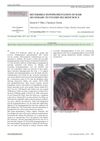
January 2013 in “Nasza Dermatologia Online” This case report describes reversible hypopigmentation of hair in a child due to vitamin B12 deficiency, which improved after vitamin B12 supplementation.
 August 2024 in “Indian Journal Of Clinical Practice”
 A balanced diet and healthy lifestyle help manage PCOS symptoms.
 December 2023 in “Scientific reports”
 This study assessed three lactic acid bacteria-fermented proteins and found that F-WPI and F-SPI could normalize osteoclastogenesis markers in vitro, while F-SPI enhanced osteoblastogenesis markers, suggesting potential as dietary supplements for osteoporosis prevention, though further research into mechanisms is needed.
 April 2017 in “The journal of investigative dermatology/Journal of investigative dermatology”
 This study reports that 71% of patients treated with the gamma-secretase inhibitor PF-03084014 for desmoid tumors experienced dermatologic side effects, such as follicular lesions and pruritic eruptions, which were managed with topical or systemic treatments.
 March 2026 in “Zenodo (CERN European Organization for Nuclear Research)”
 This case report details a 29-year-old male with recurrent alopecia areata who achieved complete hair regrowth after five months of Ayurvedic treatments, including Virechan therapy, Shamana Chikitsa, and Jalaukavacharana, with no adverse effects.
December 2024 in “African Journal of Biomedical Research” In this case study, a 32-year-old woman with premenstrual syndrome experienced significant improvement in symptoms such as dyspepsia, facial hair growth, and weight gain through Ayurvedic treatment, demonstrating its potential to address irregular menstruation effectively.
 June 2026 in “International Journal Of Ayurvedic And Herbal Medicine”
 In this case report, a 23-year-old male with alopecia areata in the beard area experienced significant improvement, with tiny hairs appearing, after 10 days of combined Ayurvedic Shamana and Shodhana therapies.
 1 citations
,
August 2025 in “Journal of Ayurveda and Holistic medicine.”
1 citations
,
August 2025 in “Journal of Ayurveda and Holistic medicine.” In this study, a 63-year-old woman with tinea capitis experienced promising improvements in symptoms such as pain, itching, and mild hair loss after undergoing Ayurvedic treatments, including rakta mokshana and shamana aushadi, over a period of 35 days.
 January 2026 in “International journal of Indian medicine”
 This review discusses the use of Bibhitaki Taila Nasya and Shiroabhyanga in Ayurvedic treatment for hair fall, reporting no new clinical results.
 926 citations
,
June 2010 in “BMC Medicine”
926 citations
,
June 2010 in “BMC Medicine” This review emphasizes the need for comprehensive guidelines to address the cardiometabolic and psychological features of polycystic ovary syndrome, alongside its reproductive aspects, and reports no new results.