February 2018 in “bioRxiv (Cold Spring Harbor Laboratory)” This study found that distinct spiny hair morphologies in rodents arose independently multiple times but did not link the Ecdysoplasin A receptor gene mutation that affects human hair to these variations.
37 citations
,
April 2015 in “Development Growth & Differentiation” This article introduces the concept of organ size control in regeneration, regulated by the Hippo signaling pathway, but reports no new experimental results.
 July 2023 in “Developmental medicine and child neurology/Developmental medicine & child neurology”
 This study found that patients with Bachmann-Bupp syndrome treated with DFMO showed improvements in hair growth, muscle tone, and development.
 January 2021 in “Indian journal of sexually transmitted diseases and AIDS”
 A dermatologist helped identify syphilis in a teenager who only had hair loss.
3 citations
,
January 2016 In this study, NuMA's microtubule-binding domain was found to be crucial for correct spindle orientation and skin differentiation, with its loss leading to neonatal lethality in mice.
4 citations
,
October 2001 in “Mycoses” This case report describes a rare instance of dermatophytosis in a young cat caused by Microsporum gypseum, confirmed by molecular analyses to be Arthroderma gypseum.
 August 2023 in “Research Square (Research Square)”
 This study found that two microRNAs, oar-miR-23b and oar-miR-133, inhibit the development of hair follicles in superfine wool sheep by targeting genes involved in key signaling pathways, suggesting their potential use as molecular markers for breeding fine wool sheep.
5 citations
,
January 2019 in “Methods in molecular biology” In this study, researchers showed that multiphoton microscopy with fluorescent protein tagging enables single-cell imaging and tracking in live transgenic mice, offering new insights into cell dynamics in stem cell research compared to traditional histological methods.
 March 2026 in “Biomolecules”
 This review highlights the critical role of microRNAs in regulating hair follicle biology, significantly impacting wool and cashmere development by modulating gene expression and signaling pathways in sheep and goats.
 April 2024 in “Journal of Cytology”
 In this case study, researchers describe a rare instance of pilomatricoma with ossification in a 32-year-old woman, highlighting specific histopathological features and the role of bone morphogenic proteins and macrophages in its development.
 5 citations
,
January 2015 in “Genetics and Molecular Research”
5 citations
,
January 2015 in “Genetics and Molecular Research” This study found that gene-regulatory interactions among parental alleles contribute significantly to heterosis in early stages of maize development, with many differentially expressed genes showing non-additive expression in hybrids.
2 citations
,
January 2024 in “Revista Paulista de Pediatria” In this case report, researchers described a 6-year-old girl with severe mandibuloacral dysplasia type A, noting unique physical deformities and a rare homozygous LMNA gene mutation not commonly associated with the condition.
 July 2023 in “New phytologist”
 This research identified a genetic mutation in Brachypodium distachyon that initially allows root hair initiation but fails to elongate them, while also affecting root growth and nitrate sensitivity; the mutation is linked to a previously uncharacterized cyclin-dependent kinase-like gene.
56 citations
,
July 2004 in “Mechanisms of Development” Pax9 is crucial for proper tongue surface development and preventing skin-like changes.
 24 citations
,
April 2020 in “Cells”
24 citations
,
April 2020 in “Cells” This study in cashmere goats found that DNA methylation levels were lower during hair follicle differentiation compared to induction, suggesting it plays a critical role in gene regulation for hair morphogenesis.
29 citations
,
January 2003 in “Genomics” A new mouse mutation causes skin and hair issues, influenced by another gene.
1 citations
,
January 1985 in “Protides of the biological fluids” This study found that injecting highly purified monocyto-angiotropin into hare skin induced new blood vessel formation and significantly accelerated hair growth at the injection site compared to control areas.
 7 citations
,
January 2012 in “International Journal of Trichology”
7 citations
,
January 2012 in “International Journal of Trichology” A man with Woolly Hair Syndrome had very curly, fragile hair, and doctors used a special scalp examination to diagnose him without invasive tests.
 74 citations
,
January 2006 in “The journal of investigative dermatology/Journal of investigative dermatology”
74 citations
,
January 2006 in “The journal of investigative dermatology/Journal of investigative dermatology” This study identified novel compound heterozygous mutations in the DSG4 gene in a Japanese patient with congenital hypotrichosis, suggesting overlap between localized autosomal recessive hypotrichosis and monilethrix.
7 citations
,
November 1997 in “Reproduction Fertility and Development” In this study, subcutaneous injections of murine epidermal growth factor in marsupial pouch young inhibited the formation of hair follicles and associated structures, altering normal follicle development.
 43 citations
,
November 2019 in “PLoS ONE”
43 citations
,
November 2019 in “PLoS ONE” This study revealed that differential gene and protein expression in the "Yufen I" H line chicken breed is crucial for Columbian plumage coloration, particularly in the melanogenesis pathway.
112 citations
,
September 2021 in “BMC Biology” This study found that specific gene expressions during different stages of hair follicle development in Merino sheep are linked to wool-related traits, and may also be relevant to human skin, metabolic, and immune traits.
 January 2026 in “Forum Dermatologicum”
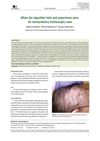
 This case study examined a 72-year-old woman with unique hair shaft constrictions consistent with monilethrix, despite features atypical for this condition, ultimately reaching a diagnosis that led to successful improvement using oral minoxidil and reduced hair trauma.
 7 citations
,
November 2014 in “Histochemistry and Cell Biology”
7 citations
,
November 2014 in “Histochemistry and Cell Biology” This study found that mutant mice with the we/we wal/wal genotype exhibit significant defects in hair shaft structure and epidermis stratification, correlating with postnatal alopecia symptoms.
3 citations
,
June 2004 in “Työväentutkimus Vuosikirja” This article reviews the roles of several signaling pathways and molecules, including FGFs, Hh, Notch, TGF, and Wnt, in the development of teeth and hair follicles, but reports no new findings.
81 citations
,
September 2009 in “Birth defects research” This review discusses the mechanisms behind hair patterning during mouse embryonic development and reports no new experimental findings.
 3 citations
,
December 2013 in “Journal of Dermatology”
3 citations
,
December 2013 in “Journal of Dermatology” This study found that scanning electron microscopy can identify four specific hair morphology patterns in alopecia areata patients, offering a less invasive diagnostic option compared to punch biopsy.
15 citations
,
October 1976 in “Biochemical Journal” This study found that Naked trait mice exhibit a decrease in certain low-molecular-weight proteins in their hair, which contain high levels of glycine and tyrosine, compared to normal mice.
9 citations
,
January 2014 in “Molecular Genetics and Metabolism Reports” This study discovered that a specific G to C mutation in the ornithine aminotransferase gene is linked to the retarded hair growth phenotype in mice and may serve as a model for human gyrate atrophy.
January 2020 in “bioRxiv (Cold Spring Harbor Laboratory)” This study found that DNA methylation regulates hair follicle differentiation in cashmere goats by suppressing gene expression during induction and enhancing it during differentiation, with potential involvement of specific lncRNAs.