September 2021 in “Authorea (Authorea)” This case report describes a middle-aged Sudanese woman with intussusception associated with systemic lupus erythematosus (SLE), presenting with multiple symptoms including joint pain and abdominal issues.
September 2017 in “Griffith Research Online (Griffith University, Queensland, Australia)” This study found that in a mouse model of Ross River virus-induced joint inflammation, targeting IL-17A and IL-17A/F heterodimers reduced disease severity.
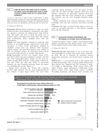
This study suggests that fatigue, joint pain, and light sensitivity are significant impacts for systemic lupus erythematosus patients, highlighting areas of unmet need in current treatment options.
1 citations
,
January 2024 in “PubMed” This study observed that fatigue, joint pain, hair loss, and menstrual disorders were the most persistent long-term side effects reported by the Saudi population after COVID-19 vaccination.
 January 2014 in “International Journal of Case Reports and Images”
 This case report describes a 62-year-old woman diagnosed with undifferentiated connective tissue disease and renal amyloidosis, presenting symptoms like joint pain, Raynaud's phenomenon, and carpal tunnel syndrome.
 144 citations
,
September 2006 in “Clinics in Dermatology”
144 citations
,
September 2006 in “Clinics in Dermatology” This article outlines manifestations of systemic lupus erythematosus, noting rapid joint symptom improvement with corticosteroids and antimalarial drug responsiveness for skin symptoms, and links anti-Ro with photosensitive rash and subacute lupus.
 July 2023 in “Journal of Ayub Medical College Abbottabad”
 This case study details a 30-year-old woman diagnosed with Lupus Vasculitis, presenting with symptoms like intermittent fever, joint pain, and respiratory issues, after tests revealed specific antibody patterns and reduced complement levels, leading to treatment with steroids, mycophenolate mofetil, and hydroxychloroquine.
This abstract provides a glossary of medical terms related to skin, joints, and other conditions, without reporting new research findings.
 21 citations
,
January 2005 in “Skinmed”
21 citations
,
January 2005 in “Skinmed” This article reviews the structural similarities and common disorders of hair and nails, highlighting their joint involvement in congenital and acquired conditions, but it reports no new clinical results.
 December 2025 in “Frontiers in Nutrition”
 This review suggests that although hydrolyzed collagen peptides with certain supplements may improve skin elasticity and joint function, evidence for collagen's anti-aging and regenerative benefits remains inconsistent.
The abstract highlights that a thorough physical examination, including specific considerations like umbilical examination and joint palpation, is crucial for diagnosing and managing the health of neonatal ruminants, as reported in this guide for veterinarians.

In this report, a 51-year-old woman with systemic lupus erythematosus presented with recurrent joint pain and irregular patches of hair loss, raising differential diagnoses of androgenetic alopecia, lupus-related alopecia, or seborrheic dermatitis.
December 2021 in “Zenodo (CERN European Organization for Nuclear Research)” This case report describes a post-COVID syndrome patient who experienced symptoms like headache, joint pain, and swollen lymph nodes; treatment with Erbisol drugs reportedly alleviated symptoms and normalized immunological parameters.
 51 citations
,
October 1981 in “British Journal of Dermatology”
51 citations
,
October 1981 in “British Journal of Dermatology” This study found that in patients who underwent jejuno-ileal bypass for morbid obesity, dapsone was effective in treating inflammatory skin lesions and joint symptoms when other antibiotics failed.
49 citations
,
January 2006 in “Developmental Dynamics” This research observed that the skeletal abnormalities in Noggin null mice varied based on genetic background, and identified haploinsufficiency leading to joint fusions, similar to human conditions associated with NOGGIN deficiency.
 37 citations
,
September 2017 in “Reumatología Clínica”
37 citations
,
September 2017 in “Reumatología Clínica” In this systematic review and meta-analysis, methotrexate and leflunomide were compared for treating rheumatoid arthritis, showing similar efficacy overall. Methotrexate reduced swollen joints more effectively, while leflunomide was associated with fewer gastrointestinal side effects but more frequent liver enzyme increases.
7 citations
,
May 2025 in “Cells” This review describes adipose tissue-derived therapies as promising for osteoarthritis, with potential to repair cartilage, reduce inflammation, and enhance joint function, highlighting advancements and their potential future applications.
 1 citations
,
July 2023 in “Journal of Ayub Medical College Abbottabad”
1 citations
,
July 2023 in “Journal of Ayub Medical College Abbottabad” In this case study, a 30-year-old woman with symptoms including fever, joint pain, and skin ulcers was diagnosed with Lupus Vasculitis and treated with steroids, mycophenolate mofetil, and hydroxychloroquine after tests showed positive anti-nuclear and anti-Ro antibodies and reduced serum complement levels.
1 citations
,
May 2019 in “PubMed” This report presents a case of a female with PCOS treated with metformin who developed hyperuricemia, severe joint and neurological pain, and later experienced a hypersensitivity reaction to benzathine benzyl penicillin.
 1 citations
,
April 2019 in “Reumatología Clínica (English Edition)”
1 citations
,
April 2019 in “Reumatología Clínica (English Edition)” In this systematic review and meta-analysis, researchers found that methotrexate and leflunomide have similar efficacy for rheumatoid arthritis as first-line treatments, but methotrexate offered a greater reduction in swollen joints, while leflunomide was more associated with liver enzyme increases and fewer gastrointestinal side effects.
 June 2026 in “Mediterranean Journal of Hematology and Infectious Diseases”
 This case study reports a 15-year-old girl from a visceral leishmaniasis-endemic area in Greece presenting with various symptoms, including high fever, morning joint pain, and blood in urine, eventually leading to findings like rash, anemia, and kidney issues. Results are not detailed in this abstract.
 July 2024 in “Journal of Cosmetic Dermatology”
 In this clinical study, a vegan collagen builder (VEGCOL™️) was shown to safely and effectively improve hair growth, skin smoothness, wrinkle reduction, and joint pain relief in adults, with enhancements varying by dose over a 60-day period.
May 2021 in “Biomedical Journal of Indonesia” This case report describes a 20-year-old man diagnosed with Systemic Lupus Erythematosus and lupus hepatitis, who presented with joint pain and skin symptoms and was treated with methyl prednisolone and hydroxychloroquine.
October 2020 in “Tierärztliche Praxis. Ausgabe Grosstiere, Nutztiere” In this study, transitioning a dairy herd from a tie-stall to a free-stall barn improved the health of carpal and hock joints, but increased heel horn erosion and cortisol levels suggested heightened stress.
 May 2019 in “Pakistan Journal of Pharmaceutical Sciences”
 This case report presented a female with PCOS treated with metformin who developed hyperuricemia, migraine, neurological and joint pain, and rheumatic fever, later showing a delayed hypersensitivity reaction to benzathine benzyl penicillin treatment.
 67 citations
,
October 2005 in “Annals of Oncology”
67 citations
,
October 2005 in “Annals of Oncology” This review found that fulvestrant is well tolerated in postmenopausal women with hormone receptor-positive advanced breast cancer, showing lower incidence of joint disorders than non-steroidal aromatase inhibitors.
 2 citations
,
January 2022 in “Genetics Research”
2 citations
,
January 2022 in “Genetics Research” This study found that using hemocoagulase combined with platelet-rich plasma during total hip replacement surgery led to reduced perioperative blood loss and improved early joint range of motion in osteoarthritis patients.
This study found that a single dose of PRP with 100 billion platelets significantly reduced pain and improved knee function in patients with osteoarthritis, but did not alter joint structure on MRI.
1 citations
,
October 1996 in “Dermatologic clinics” This study found that higher levels of adiponectin were associated with reduced inflammation and osteolysis, suggesting potential therapeutic benefits for patients with aseptic loosening of joint replacements.

In this study, patient-reported flare symptoms after COVID-19 vaccination in individuals with systemic lupus erythematosus were generally mild, with 17% experiencing flares mostly characterized by joint pain and fatigue; vaccine type did not affect flare incidence.