June 2025 in “British Journal of Dermatology” This study reviewed clinical trials on JAK inhibitors for alopecia areata, finding them effective for short-term hair regrowth with a favorable safety profile, but noted limited data on long-term risks like malignancies or cardiovascular events beyond two years.
June 2021 in “Current developments in nutrition” In this open-label study, participants reported that the LustrivaTM BH-002 two-step system improved various aspects of hair, skin, and nail health and appearance after three months of use.
 63 citations
,
April 2018 in “Journal of the American Academy of Dermatology”
63 citations
,
April 2018 in “Journal of the American Academy of Dermatology” This review discusses the efficacy and safety of topical JAK inhibitors for inflammatory skin conditions, reporting modest benefits in psoriasis and atopic dermatitis but mixed results for vitiligo and inconclusive data for alopecia areata.
 3 citations
,
May 2023 in “Clinical drug investigation”
3 citations
,
May 2023 in “Clinical drug investigation” This study reviewed the safety of JAK inhibitors for alopecia areata, finding that common side effects included headache and acne, with varying risks for respiratory infections and no increased risk of serious adverse events.
January 2008 in “Summit (Simon Fraser University)” This article describes viDA Therapeutics Inc.'s focus on developing new drugs for age-related conditions using their proprietary granzyme-based approach but reports no clinical outcomes, primarily discussing their funding and business strategy.
2 citations
,
February 2020 in “International Journal of Research in Pharmaceutical Sciences” This review compiles evidence on the health benefits of Ziziphus mauritiana, covering its traditional uses and pharmacological effects, but reports no new experimental results.
 8 citations
,
October 2022 in “Dermatology practical & conceptual”
8 citations
,
October 2022 in “Dermatology practical & conceptual” This source reports that tofacitinib and ruxolitinib showed potential efficacy and acceptable safety profiles in treating various autoimmune disorders, including alopecia areata and psoriasis, based on a review of clinical studies, while recommending physicians consider the individual risks and benefits.
July 2025 in “Journal of Investigative Dermatology” Switching Janus kinase inhibitors helped some patients with severe alopecia areata regrow hair, but insurance issues can worsen the condition.
83 citations
,
June 2017 in “Journal of the American Academy of Dermatology” This study observed that most pediatric patients with alopecia areata experienced some hair regrowth after treatment with topical JAK inhibitors, and the formulations were generally well-tolerated with mild lab abnormalities in some cases.
 7 citations
,
August 2023 in “Journal of the American Academy of Dermatology”
7 citations
,
August 2023 in “Journal of the American Academy of Dermatology” This source reports that the approval of baricitinib and ritlecitinib, which are JAK inhibitors, has marked a significant advancement in treating severe alopecia areata (AA), and suggests that additional treatments with new mechanisms may further improve patient outcomes in the future.
 4 citations
,
December 2024 in “Clinical Cosmetic and Investigational Dermatology”
4 citations
,
December 2024 in “Clinical Cosmetic and Investigational Dermatology” This study suggests that combining baricitinib with narrowband UV-B therapy is an effective and well-tolerated approach for treating active nonsegmental vitiligo.
 February 2024 in “Australasian journal of dermatology”
 This research letter discusses the use of Janus kinase inhibitors for treating lichen planopilaris, although specific results or conclusions from the study are not provided.
August 2026 in “JAMA Dermatology” This study found that upadacitinib significantly improved hair regrowth compared to placebo in adults and adolescents with severe alopecia areata, and demonstrated a positive benefit-risk profile.
January 2018 in “Figshare” This study found that both ruxolitinib and tofacitinib were effective in promoting hair regrowth for patients with severe alopecia areata, with no significant difference in efficacy and relapse rate between them, and both were well tolerated throughout the treatment.
 1 citations
,
January 2023 in “Research Square (Research Square)”
1 citations
,
January 2023 in “Research Square (Research Square)” In this report, a 61-year-old woman with vitiligo showed significant improvement after tofacitinib treatment but developed lung adenocarcinoma, highlighting potential cancer risks associated with JAK inhibitors.
July 2025 in “JAAD Case Reports” July 2026 in “American Journal of Clinical Dermatology” In this study, oral JAK inhibitors were found to be significantly more effective than placebo in promoting hair regrowth among adults and adolescents with moderate-to-severe alopecia areata, although they were associated with an increased risk of adverse events.
 October 2009 in “Reactions Weekly”
 A woman developed lupus after taking hydroxyurea for two years.
4 citations
,
March 2022 in “Cosmetics” This review suggests that a dual treatment approach using Nourella® cream with nano-encapsulated Retilex-A® and per-oral Vercilex® tablets may effectively improve skin thickness, elasticity, and overall rejuvenation in aging skin, as shown in interventional studies.
1 citations
,
January 2024 in “Journal of Cosmetic Dermatology” In this study, JAUN soap was found to improve skin conditions, such as moisture, elasticity, and cleansing effectiveness, without adverse reactions, suggesting its potential as a safe and effective ingredient for functional cosmetics.
 May 2026 in “Journal of Dermatological Treatment”
 In this study, adults with significant alopecia areata were surveyed on their preferences for JAK inhibitor treatments, revealing a strong priority for scalp hair regrowth effectiveness and quicker initial regrowth over dosing convenience.
277 citations
,
December 2019 in “Frontiers in Immunology” This review discusses the immunological basis and development of Janus kinase inhibitors for treating skin diseases and reports no new clinical findings.
April 2025 in “The Journal of Dermatology” This study provides initial insights into the use of JAK inhibitors for CTCL, reporting some cases of symptom improvement, but highlights the need for further research on their association with CTCL development and safety.
13 citations
,
January 2020 in “Acta Dermato Venereologica” Ruxolitinib treatment led to unexpected hair regrowth in a patient with alopecia universalis.
45 citations
,
July 2025 in “Journal of Medicinal Chemistry” This article discusses the development and clinical progress of PROTAC technology, particularly focusing on the New Drug Application for vepdegestrant, an estrogen receptor-targeting PROTAC, marking significant advancements in targeted protein degradation therapies.
June 2025 in “Revista Foco” This review assessed randomised clinical trials on the efficacy and safety of topical and systemic JAK inhibitors for alopecia areata, finding significant hair coverage improvement with ritlecitinibe and baricitinibe, though prolonged treatment is often needed to maintain results.
 41 citations
,
December 2015 in “JAMA Dermatology”
41 citations
,
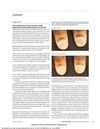
December 2015 in “JAMA Dermatology” Tofacitinib citrate improved nail dystrophy and pain in patients with alopecia universalis without causing side effects.
 June 2023 in “British journal of dermatology/British journal of dermatology, Supplement”
 This study observed that among UK alopecia areata patients seeking JAK inhibitor treatments before public funding, many sourced medication from abroad due to high costs, with variable response rates and significant reliance on social media for information on accessing treatments.
 May 2021 in “Letters in Applied NanoBioScience”
 This study used computational methods to identify pranlukast and mirabegron as promising candidates for repurposing against diabetes due to their good binding interactions with the DPP-IV target.
96 citations
,
December 2015 in “JAMA dermatology” This article discusses the potential of topical ruxolitinib as a treatment for alopecia universalis and acknowledges the need for alternatives to systemic JAK inhibitors due to the risk of serious side effects.