 May 2026 in “Zenodo (CERN European Organization for Nuclear Research)”
 In this study, a herbal hair cream formulated with natural ingredients like Jamalgota and Neem oil was evaluated for managing alopecia; Batch 3 showed the best performance in texture, stability, and spreadability, with promising results as a safe alternative for promoting healthy hair growth.
April 2025 in “Acta Dermato Venereologica” In this real-world study, JAK inhibitors like abrocitinib and tofacitinib led to substantial hair regrowth in 61% of alopecia areata patients over a median of 16 months, with 75% of non-responders achieving regrowth after switching medications; however, two serious adverse events were noted.
 30 citations
,
June 2015 in “South African journal of botany”
30 citations
,
June 2015 in “South African journal of botany” This study documented 70 plant species used by traditional healers in Namibia to manage AIDS-related opportunistic diseases and highlighted the need for further research on their anti-HIV properties and potential over-exploitation.
 2 citations
,
November 2022 in “Frontiers in Pharmacology”
2 citations
,
November 2022 in “Frontiers in Pharmacology” This study systematically documented the ethnobotanical and ethnomedicinal knowledge from traditional healers in Addis Ababa, identifying 81 medicinal plants, including the endangered Echinops kebericho, used primarily for treating skin and general diseases.
 July 2023 in “International journal of current research in chemistry and pharmaceutical sciences”
 In this study, researchers formulated a herbal shampoo using traditional ayurvedic herbs and reported that it may serve as a natural and effective alternative to synthetic shampoos for cleaning and managing hair, emphasizing the growing preference for herbal products over chemical ones.
 1 citations
,
April 2011 in “International Journal of Dermatology”
1 citations
,
April 2011 in “International Journal of Dermatology” This article covers the VII International Congress of the Asociación Dermatológica del Caribe but provides no new research results.
 August 2025 in “Dermatology and Therapy”
 This review reports that three JAK inhibitors—baricitinib, ritlecitinib, and deuruxolitinib—have gained FDA approval for treating alopecia areata due to their demonstrated efficacy in fostering hair regrowth in clinical trials.
April 2018 in “International journal of innovative research in medical science” In this randomized controlled clinical study, researchers found that Neem and Zanjabeel treatment was as effective as standard hormonal therapy in reducing hirsutism and improving biochemical and hormonal parameters in women with polycystic ovarian disease, while also significantly lowering fasting insulin and lipid levels.
August 2009 in “PHARMACY: Jurnal Farmasi Indonesia (Pharmaceutical Journal of Indonesia)” This study concluded that ethanolic extract of Morinda may enhance hair growth in male rabbits.
 January 2025 in “SKIN The Journal of Cutaneous Medicine”
 In this analysis of the BRAVE-AA trials, a significant number of patients with severe alopecia areata treated with baricitinib reached complete or nearly complete scalp coverage (SALT score ≤10 or ≤5) over 52 weeks, particularly among those with less severe baseline characteristics.
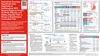 November 2025 in “SKIN The Journal of Cutaneous Medicine”
 This phase 3 trial found that over 50% of adolescents with severe alopecia areata achieved successful hair regrowth after 52 weeks on baricitinib 4-mg, with no new safety concerns reported compared to existing safety profiles.
October 2025 in “Postgraduate Medical Journal” This study found that among various JAK inhibitors for severe alopecia areata, baricitinib_4 mg demonstrated significant efficacy with high precision, while deuruxolitinib_12 mg showed the best efficacy but with wider confidence intervals, providing clinicians valuable information for treatment selection.
 2 citations
,
June 2019 in “Boletín médico del Hospital Infantil de México”
2 citations
,
June 2019 in “Boletín médico del Hospital Infantil de México” This study in Mexican adolescents with severe alopecia areata reported that oral tofacitinib treatment resulted in hair growth and reduced alopecia severity without serious adverse effects.
2 citations
,
October 2011 This study concluded that a compound formulation was effective in improving various clinical symptoms of dermatophytosis, including itching, scaling, and erythema, after 45 days of treatment.

This study investigated the effects of ethanol leaf extracts from Ziziphus jujuba and Eclipta alba on cognitive impairments in diabetic rats, finding significant improvements in learning and memory with these treatments, along with decreased blood glucose levels over 21 days.
January 2026 in “Dermatologic Therapy” This study found that only a small percentage of alopecia areata patients treated with baricitinib in real-world settings would have met the eligibility criteria used in clinical trials.
1 citations
,
March 2023 in “Anais Brasileiros de Dermatologia” February 2026 in “Food Research International” Lactiplantibacillus plantarum ZJUIDS51 can help regrow hair and improve scalp health in androgenic alopecia.
 December 2025 in “INSTITUTE OF MOLECULAR BIOLOGY & BIOTECHNOLOGIES TRANSACTIONS”
 This study highlights the significant ethnomedicinal potential of Asteraceae species used in traditional medicine, particularly for treating inflammatory and skin-related diseases.
 May 2026 in “Journal of Dermatological Treatment”
 In this study, adults with significant alopecia areata were surveyed on their preferences for JAK inhibitor treatments, revealing a strong priority for scalp hair regrowth effectiveness and quicker initial regrowth over dosing convenience.
 January 2024 in “Journal of Pharmacognosy and Phytochemistry”
 This paper reviews the traditional use of Martynia annua in Indian medicine, detailing its reported effectiveness against a variety of conditions such as inflammation, epilepsy, and infections, and highlights its diverse pharmacological properties which warrant further clinical research.
December 2025 in “Journal of the Bangladesh Agricultural University” This study documented 55 weed species at Daffodil International University, highlighting their ecological and cultural importance, with many species having recognized ethnobotanical uses such as hair growth and skin disorder treatments.
 September 2024 in “Journal of the American Academy of Dermatology”
 In this study, patients with severe alopecia areata treated with baricitinib over 152 weeks experienced sustained patient-reported improvements in scalp, eyebrow, and eyelash hair regrowth, with higher responders observed in the 4mg dose group compared to the 2mg group.

This study found that baricitinib, a selective Janus kinase inhibitor, led to significantly improved scalp coverage in alopecia areata patients over 36 weeks compared to placebo, though adverse effects like acne and urinary tract infections were reported.
June 2026 in “Clinical Cosmetic and Investigational Dermatology” This study found that escalating baricitinib to 6 mg daily improved hair loss in 75% of patients with severe refractory alopecia areata who responded poorly to standard treatments, while also noting manageable short-term safety concerns under close monitoring.
October 2025 in “Clinical Chemistry” This study found that combining Juniperus communis extract with 5-Fluorouracil inhibited oral cancer cell growth more effectively than 5-FU alone, inducing cancer cell death and reducing drug resistance by affecting key cellular pathways and proteins.
 6 citations
,
February 2023 in “Journal of the American Academy of Dermatology”
6 citations
,
February 2023 in “Journal of the American Academy of Dermatology” This article addresses the pathogenesis of alopecia areata and discusses the emerging role of oral and topical JAK inhibitors in its treatment, but reports no new clinical findings.
 June 2021 in “International Ayurvedic Medical Journal”
 In this source, a case of a female patient with indralupta (alopecia areata) was successfully treated using Ayurvedic methods, specifically jaluaka, haridra, and nimbalepa, suggesting an effective alternative to corticosteroids, which have harmful side effects and are unsuitable for long-term use.
September 2023 in “Journal of the American Academy of Dermatology” 1 citations
,
August 2024 in “GeroScience”