 January 2023 in “Book of Abstracts”
 COVID-19 can cause different types of hair loss, with telogen effluvium being the most common.
 December 2022 in “Urology Herald”
 This review examines existing research on androgen deprivation therapy and its effects on male sex hormones in relation to COVID-19, but reports no new clinical findings.

This study found that all examined biomarkers and clinical features were elevated in systemic lupus erythematosus patients, particularly ANA and Anti-dsDNA autoantibodies, but no single biomarker was sensitive or specific enough for diagnosis.
 January 2022 in “European Proceedings of Life Sciences”
 This article discusses the genetic polymorphisms affecting the antioxidant system and suggests that personalized detoxification plans and nutrition may be beneficial for patients with chronic diseases, but it reports no new clinical findings.
 September 2021 in “Physiology News”
 This abstract appears to consist entirely of repeated color specifications and logo guidelines, providing no research findings or new results.
 September 2021 in “Physiology News”
 This abstract contains only graphic design specifications and reports no new research findings.
This study found that sericin dressing containing collagen hydrolysate significantly reduced wound healing time and improved scar quality compared to commercial dressing in split-thickness skin graft donor sites.

This article reviews knowledge-sharing efforts in pharmaceutical sciences at the University of Sorocaba, highlighting global collaboration on rational medicine use, without reporting new study results.

This article discusses the Graduate Program in Pharmaceutical Sciences at the University of Sorocaba and emphasizes collaborating internationally to improve health policies and practices but reports no new research findings.

This research concluded that the novel hydrogel PlacMA, derived from human placenta and curable by visible light, shows promise for cell culture and tissue engineering applications due to its tunable properties.

This Ph.D. project aims to evaluate the self-assembling potential of hair keratin extracts and study the cellular response to both crude and purified keratins, highlighting their potential applications from biomedical to water remediation.
 September 2019 in “University of Huddersfield Repository (University of Huddersfield)”
 In this study, nanoemulsion formulations were found to significantly enhance the skin retention of the antiseptic agent triclosan, with the optimal mixture being a low surfactant concentration, as demonstrated through quantitative and qualitative analysis using tape-stripping and micro CT scans.
 February 2019 in “Institutional Repositories DataBase (IRDB)”
  May 2017 in “American Society of Health-System Pharmacists eBooks”
 This abstract provides definitions and descriptions of various medical and scientific terms but reports no new research findings.
 January 2017 in “Clinical approaches and procedures in cosmetic dermatology”
 This chapter reviews hair anatomy, hair shaft structure, and various cosmetic treatments that can alter or damage hair, but it presents no new research findings.
 January 2016 in “Springer eBooks”
 New materials and methods could improve skin healing and reduce scarring.
 February 2014 in “Revista Argentina de Cardiología”
 In this study, testosterone was found to increase the risk of arrhythmias in a rat heart model, while finasteride reduced this arrhythmogenic effect.

This research found that keratin hydrogels derived from human hair may support cell viability and proliferation, indicating potential as 2D and 3D soft tissue culture scaffolds.
 June 2026 in “Frontiers in Immunology”
 This review discusses the role of epithelial–mesenchymal transition in cutaneous fibrotic disorders and highlights potential molecular targets for therapy, but reports no new clinical results.
 June 2026 in “International Journal of Drug Delivery Technology”
 This review explores the potential of herbal therapies and modern delivery methods for managing premature hair greying, highlighting promising plant-based treatments and emphasizing the need for clinical trials to validate their effectiveness.
 June 2026 in “Frontiers in Materials”
 This review examines advancements in "smart" hydrogel dressings for complex wound healing, highlighting innovations in materials that provide multifunctionality, such as responsive drug delivery and regenerative capabilities. The study also addresses potential challenges in clinical application, like manufacturing and regulatory hurdles.
 January 2026 in “Materials Horizons”
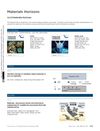
 This article promotes professional recognition in science careers but reports no new research findings.
 November 2025 in “International Journal of Applied and Experimental Biology”
 In this review, the authors discussed the potential of hemp in cosmeceutics for skin conditions like acne and dermatitis, emphasizing its therapeutic properties and formulation challenges but noting the need for standardizing cannabinoid content and documenting effectiveness.
 July 2025 in “Bulgarian Portal for Open Science”
 In this study, researchers explained that healing of extensive skin defects involves granulation filling the wound cavity, followed by epithelialization from skin edges and hair follicles, which are crucial steps in wound healing.
 June 2025 in “Medical academic journal”
 The study found that hybrid nanoparticles incorporating exosomes with cationic liposomes 2X3-DOPE significantly improved the delivery of both messenger RNA and small interfering RNA to rat cardiac mesenchymal stem cells in vitro, achieving up to 100% transfection efficiency for small interfering RNA.
 December 2024 in “Open Repository of the University of Porto (University of Porto)”
 This study consisted of a pharmacy master's thesis detailing practical experiences during a hospital and community pharmacy internship and scientific investigations into the off-label use of dutasteride for androgenetic alopecia and oral vaccines for urinary tract infection prophylaxis, emphasizing therapeutic applications and mechanisms of action.
 November 2024 in “International Journal of Research and Review”
 This review explores the application of nanotechnology in cosmetics, highlighting its role in enhancing skin penetration, sustaining drug action, and protecting against UV radiation, while also addressing regulatory considerations and potential exposure routes.
In this study, researchers developed a method using stencils to create controlled stiffness gradients in alginate hydrogels, revealing that stiffer regions within the gels promote deeper invasion by breast cancer cells, facilitating the study of mechanosensitive cellular behaviors.
 October 2023 in “JOJ dermatology & cosmetics”
 This study concluded that thiocyanate promotes new cell formation and hair growth in animals and humans, with therapeutic effects seen in 51% of human alopecia areata cases after treatment, attributed to diverse biological mechanisms.
 October 2015 in “Elsevier eBooks”
 Aldesleukin can treat certain cancers and increase HIV patient CD4+ counts but often causes severe side effects.