Search
for
Sort by
Research
90-120 / 1000+ resultsresearch Evaluation of the Efficacy of Excimer Light 308 nm Wavelength Versus Low Level Laser in Treatment of Alopecia Areata
In this study, both excimer light and low level light therapy were found to be safe and effective for treating alopecia areata, with excimer light showing better and more sustained improvement.
research LASER-ASSISTED HAIR REMOVAL
This article compares traditional nonlaser hair removal methods with newly developed laser-assisted techniques, discussing their applications but not presenting new research findings.
research RETRACTED: High‐powered 675‐nm laser: Safety and efficacy in clinical evaluation and in vitro evidence for different skin disorders
The study's findings are unreliable due to retraction.
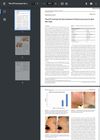
research The 675 nm laser for the treatment of facial acne scars in dark skin type
This study evaluated the effectiveness of a 675 nm laser device on facial acne scars in patients with darker skin types, finding that 67% reported excellent improvement and 33% reported good improvement, with significant enhancements in skin texture and appearance after five treatments.
research ICG laser therapy of acne vulgaris
This study found that multiple treatments combining NIR laser phototherapy with ICG significantly reduced inflammation and improved skin condition in acne without side effects.
research BC06: Efficacy of lasers and light‐based devices in long‐term hair reduction defined by body site‐specific growth cycles: a systematic review
This article suggests that eyelash prostheses may exacerbate isotretinoin-induced blepharitis, highlighting the need for caution among young women using both products.
research Intense Pulsed Light: From the Past to the Future
This review discusses the development of IPL devices, highlights their established cosmetic uses, such as treating vascular and pigmented lesions, and suggests potential expansion into more effective combination therapies.

research The Science of Light Biostimulation and Low Level Laser Therapy (LLLT)
This article introduces a series on low level laser light therapy, focusing on its science, regulatory aspects, and controlled trial methodologies, but reports no new clinical results.
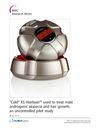
research “Cold” X5 Hairlaser™ used to treat male androgenic alopecia and hair growth: an uncontrolled pilot study
This study found that male androgenic alopecia patients using the X5 hair laser device showed a statistically significant increase in hair growth over a 26-week period.
research Light-emitting diode photobiomodulation in dermatology: From professional systems to consumer devices — mechanisms, efficacy and safety
This review concluded that LED-based photobiomodulation is generally safe and effective for certain dermatologic conditions, though consumer devices often show less efficacy compared to professional systems.
research Part 2: LLLT Devices, Medical Device Regulation, and Impact on Development
This review discusses low level laser therapy for hair loss but reports no new research findings; it serves as an introduction to understanding existing knowledge before upcoming evaluations of recent studies.
research Long‐Term Efficacy and Safety of Low‐Level Laser Therapy for Androgenetic Alopecia: A 12‐Month Prospective Trial
In this prospective study, individuals with androgenetic alopecia using a home-use low-level laser therapy helmet for 48 weeks experienced significant increases in hair density and thickness, with reported improvements consistent across sexes and no device-related adverse events.
research Evaluation of wavelength-dependent hair growth effects on low-level laser therapy: an experimental animal study
This study found that low-level laser therapy with an 830-nm wavelength most significantly stimulated hair growth in rats, compared to other wavelengths tested.
research Excimer Laser: A Module of the Alopecia Areata Common Protocol
The excimer laser may help hair regrow in alopecia areata patients.
research Use of Low Level Laser in Cosmetic Dermatology
This review discusses the benefits and applications of low level laser therapy in cosmetic dermatology, particularly for skin conditions and pigmentation disorders, but reports no new clinical results.
research A Systematic Review and Meta-analysis of Randomized Controlled Trials of United States Food and Drug Administration-Approved, Home-use, Low-Level Light/Laser Therapy Devices for Pattern Hair Loss: Device Design and Technology.
This study found that FDA-approved low-level light/laser therapy devices significantly increased hair density in individuals with pattern hair loss compared to sham devices.
research Use of the pulsed infrared diode laser (904 nm) in the treatment of alopecia areata
This study found that pulsed infrared diode laser therapy (904 nm) was effective in promoting hair regrowth in 94% of patients with resistant patches of alopecia areata.
research Whatever Happened to Lasers?
This article reviews the current use of lasers in hair restoration and reports no new findings, summarizing insights from doctors with laser experience.
research Mecanismos e aplicações clínicas das tecnologias de laser e luz na dermatologia moderna
This study reviewed the literature on laser and light technologies in dermatology, highlighting their varied clinical applications such as skin rejuvenation, acne scar treatment, and hair removal, alongside their potential for combining with AI to improve outcomes.
research Lasers, lights, and leds
This study found that low-level laser/light therapy is effective and safe for treating mild to moderate androgenetic alopecia in individuals with certain skin types, especially when combined with other treatments, although further research is needed to refine protocols and verify long-term outcomes.

research Effect of low level laser therapy or led therapy in hair growth in combination with infiltrations: A case control study
Low level laser or LED therapy combined with infiltrations may help hair growth.

research Low fluence-high repetition rate diode laser hair removal 12-month evaluation: Reducing pain and risks while keeping clinical efficacy
This study concluded that low-level fluence 810 nm diode laser therapy was generally well tolerated, safe, and effective for long-term hair reduction in a small sample of patients with various skin types.

research FLIM Reveals Red Light-Induced Changes in Murine Hair Follicles
In this study, red-light irradiation significantly increased hair follicle numbers and ATP levels in a mouse model, highlighting low-level laser therapy's potential to enhance hair regeneration and alter the skin metabolic microenvironment.

research Use of low-level laser therapy in treatment of the androgenic alopecia, the first systematic review
This study evaluated low-level laser therapy for treating Androgenic alopecia and suggested it may effectively stimulate hair growth and improve patient satisfaction, although more efficient treatments are needed.
research Reply to: The use of low-level light for hair growth: Part I
This article describes a non-blinded study investigating low level laser therapy for seven patients but reports no new clinical findings.

research OS EFEITOS DO MICROAGULHAMENTO E LASER DE BAIXA INTENSIDADE NA ALOPECIA ANDROGÉNETICA MASCULINA: REVISÃO INTEGRATIVA
This study reports that combining microneedling with low-intensity laser therapy appears to be a safe and effective treatment for androgenetic alopecia, as indicated by a literature review.
research Long-Term Epilation Using the EpiLight Broad Band, Intense Pulsed Light Hair Removal System
This study found that the EpiLight Hair Removal System achieved approximately 60% hair removal after 12 weeks following a single treatment, indicating effectiveness and safety for long-term hair reduction.
research Analyzing the laser-light reflection from human hair fibers. I. Light components underlying the goniophotometric curves and fiber cuticle angles.
This study found that laser-based goniophotometry can effectively monitor changes in hair surface reflection related to color and cuticle cell tilt across different ethnic origins.

research Clinical Application of a New Near-Infrared Light-Emitting Diode with Broader Spectrum for Skin Rejuvenation and Hair Growth Enhancement
This study reported that the new near-infrared LED device showed significant improvements in skin rejuvenation and a slight increase in hair growth, with further research recommended for broader validation.