
research Acne
2 citations
,
May 2011 in “Harper's Textbook of Pediatric Dermatology” Acne is a common skin condition linked to diet, hormones, and genetics, and early treatment can prevent scarring.
 2 citations
,
February 2009 in “Journal of the American Academy of Dermatology”
2 citations
,
February 2009 in “Journal of the American Academy of Dermatology” This study found that many paper titles, especially in the Archives of Dermatology and British Journal of Dermatology, had scientific imprecisions, with "minimization" being the most common.
 2 citations
,
December 2004 in “Medicine”
2 citations
,
December 2004 in “Medicine” This review discusses various causes of hair loss, emphasizing the importance of a structured diagnostic approach, and reports no new clinical findings.
 1 citations
,
November 2025 in “Clinical and Experimental Medicine”
1 citations
,
November 2025 in “Clinical and Experimental Medicine” This review highlights the emerging role of long non-coding RNAs (lncRNAs) in dermatology, suggesting that lncRNAs significantly impact signaling pathways involved in normal skin functions and skin diseases, offering potential as biomarkers and therapeutic targets.
 1 citations
,
December 2022 in “Parasitologists United Journal”
1 citations
,
December 2022 in “Parasitologists United Journal” This study observed that M. domestica larva-derived chitosan and gut extracts enhanced wound healing and collagen deposition in both immunocompetent and immunosuppressed mice, indicating potential benefits for combined therapy.
 1 citations
,
July 2021 in “Current Issues in Molecular Biology”
1 citations
,
July 2021 in “Current Issues in Molecular Biology” This study found that finasteride treatment of male rats led to changes in their male offspring's testicular gene expression, potentially affecting sperm function in response to odorant-like signals.
 1 citations
,
October 2014
1 citations
,
October 2014 The document concludes that diagnosing and managing plaque psoriasis, particularly in sensitive areas, is challenging and requires careful differentiation from similar skin conditions.
 1 citations
,
January 2013 in “Elsevier eBooks”
1 citations
,
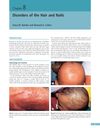
January 2013 in “Elsevier eBooks” The document reviews various hair and nail disorders, their causes, and treatments, emphasizing the need for proper diagnosis and the link between nail changes and systemic diseases.
 1 citations
,
January 2013 in “Springer eBooks”
1 citations
,
January 2013 in “Springer eBooks” Cosmeceuticals may benefit skin health but need more research for efficacy and safety confirmation.
 1 citations
,
June 2012 in “Actas Dermo-Sifiliográficas”
1 citations
,
June 2012 in “Actas Dermo-Sifiliográficas” This article discusses primary cicatricial alopecia, highlighting the need for early and precise diagnosis to effectively manage and treat these complex inflammatory hair disorders, but presents no new clinical results.
 1 citations
,
April 2010 in “Expert Review of Dermatology”
1 citations
,
April 2010 in “Expert Review of Dermatology” This review discusses primary cicatricial alopecias, detailing their classification, pathogenesis, clinical features, histopathologic findings, and treatment, without reporting new experimental results.
 1 citations
,
January 2010 in “Serbian Journal of Dermatology and Venereology”
1 citations
,
January 2010 in “Serbian Journal of Dermatology and Venereology” This article reviews the multifaceted approach required for acne vulgaris treatment, emphasizing individualized combination therapies tailored to clinical severity and patient psychological profiles, but no new results are included.
 1 citations
,
January 2010 in “Springer eBooks”
1 citations
,
January 2010 in “Springer eBooks” Certain micronutrients may improve hair and nail health, but more research is needed to confirm their benefits.
 1 citations
,
October 1984 in “Clinics in dermatology”
1 citations
,
October 1984 in “Clinics in dermatology” This article discusses the psychological impact of skin imperfections and suggests establishing a Cosmetic Dermatology Service within public health systems to address these issues ethically.
 1 citations
,
November 1976 in “Archives of Dermatology”
1 citations
,
November 1976 in “Archives of Dermatology” This article discusses the role of clinical observation and microscopic correlation in American dermatology training and reports no new clinical results.
 1 citations
,
March 1954 in “Archives of dermatology”
1 citations
,
March 1954 in “Archives of dermatology” This article reviews small animal experiments reported from 1932 to 1952 in two dermatology journals and notes the contributions of Farris's book on laboratory animal care.
 June 2026 in “Frontiers in Immunology”
 This review discusses the role of epithelial–mesenchymal transition in cutaneous fibrotic disorders and highlights potential molecular targets for therapy, but reports no new clinical results.

In this review, the authors discuss various skin conditions linked to hyperandrogenism, such as acne and alopecia, with a focus on androgen-targeted therapies, suggesting these are generally more effective than non-androgen-targeted options.
 April 2026 in “JOJ Dermatology & Cosmetics”
 This review highlights that effective management of PCOS-related dermatological issues, such as hirsutism and acne, requires a multidisciplinary approach involving hormonal therapies, metabolic interventions, and lifestyle changes.
 March 2026 in “American Journal of Clinical Dermatology”
 This narrative review provides an overview of the persistent dermatological side effects experienced by cancer survivors due to treatments, highlighting their impact on quality of life and the need for structured dermatological care during survivorship.
 February 2026 in “American Journal of Clinical Dermatology”
 This source discusses how radiotherapy-induced skin fibrosis, a chronic side effect affecting cancer survivors' quality of life, is driven by ongoing inflammation and fibroblast activity, and emphasizes the need for comprehensive dermatologic management and better diagnostic tools.
 February 2026 in “International Journal of Advanced Biochemistry Research”
 This study reports that dogs with dermatoses linked to hypothyroidism displayed a significant incidence of specific haematological and biochemical alterations, such as elevated cholesterol and triglyceride levels and reduced thyroid hormones, compared to healthy dogs, with Labrador Retrievers showing the highest breed predisposition.
 January 2026 in “Forum Dermatologicum”
 This study observed that 2.5% of patients with mycosis fungoides or Szary syndrome experienced alopecia, predominantly within skin lesions, with scalp metastases from other cancers also potentially causing hair loss, highlighting the diagnostic value of trichoscopy in differentiating alopecia types.
 September 2025 in “Frontiers in Cell and Developmental Biology”
 In this review, retinoids are highlighted as promising agents for promoting scarless skin regeneration by coordinating cellular and molecular processes that suppress fibrosis, enhance re-epithelialization, promote angiogenesis, and enable hair follicle formation, potentially advancing functional skin repair.
 August 2025 in “Scientific Reports”
 This study found that the protein C4BPA may link insulin resistance and acne vulgaris by influencing lipid metabolism and inflammatory pathways, suggesting it as a potential mediator in the pathogenesis of both conditions.
 November 2023 in “Frontiers in pharmacology”
 This review highlights the ongoing need for novel treatments for autosomal recessive congenital ichthyoses, suggesting that drug repositioning, utilizing existing medications or biologics, could provide more affordable and effective options for managing this lifelong skin condition.
 January 2023 in “Postępy Dermatologii i Alergologii”
 This review provides an overview of azelaic acid's dermatological uses, mechanisms, and its potential in skin cancer treatment, but reports no new clinical results.
 January 2022 in “Acta dermatovenerologica Alpina, Pannonica et Adriatica (Tiskana izd.)”
 This article presents an overview of uncombable hair syndrome, emphasizing its clinical and molecular characteristics and noting systemic manifestations such as neuropsychiatric, ophthalmic, and cardiopulmonary issues.
 November 2020 in “Elsevier eBooks”
 This source outlines various antiandrogen and androgen inhibitor drugs used to treat cutaneous disorders of hyperandrogenism, detailing their mechanisms, uses, dosages, and side effects, with emphasis on spironolactone, finasteride, dutasteride, and oral contraceptives.
 November 2019 in “Harper's Textbook of Pediatric Dermatology”
 This review discusses potential causes of alopecia and hair overgrowth in pediatric patients, detailing diagnostic techniques and treatments, but presents no new research findings.