3 citations
,
January 2022 in “Burns & Trauma” This study found that CTHRC1 is crucial for sweat gland function and vascular network integrity in mice, and its administration improved sweat gland performance by reconstructing nearby blood vessels.
33 citations
,
October 1996 in “Journal of Investigative Dermatology” 52 citations
,
April 2012 in “Journal of Investigative Dermatology” This study found that KRTAP2 proteins predominantly express in the hair shaft cortex of humans, interact with hair keratins, and play crucial roles in hair shaft keratinization.
 15 citations
,
December 2014 in “PLoS ONE”
15 citations
,
December 2014 in “PLoS ONE” This study identifies iRhom2 as a crucial regulator of hair follicle differentiation, showing that the iRhom2Uncv mutation leads to dysplasia and reduced TACE maturation, resulting in a hairless phenotype in mice.
9 citations
,
May 2014 in “BMC medical genetics” In this case report, the authors suggest that a novel enhancer element's translocation near the TRPS1 gene may contribute to the TRPS phenotype, expanding understanding of the syndrome's genetic basis.
 36 citations
,
March 2011 in “Nature Communications”
36 citations
,
March 2011 in “Nature Communications” This study found that TSC2-null fibroblast cells from TSC skin hamartomas can induce hair follicle formation and hamartomatous changes in keratinocytes, with active mTOR signaling observable in a mouse xenograft model.
2 citations
,
September 1998 in “Der Hautarzt” A gene mutation causes a rare hereditary hair loss, offering potential for new treatments.
 6 citations
,
November 2019 in “The application of clinical genetics”
6 citations
,
November 2019 in “The application of clinical genetics” This study identified a significant genetic association between the TNFα gene and alopecia areata susceptibility in the Jordanian Arab population.
 November 2022 in “Journal of Investigative Dermatology”
 This study found that stimulating the olfactory receptor OR2A4/7 with cyclohexyl salicylate promoted human hair growth and increased progeny of hair follicle epithelial stem cells in an ex vivo setting.
July 2025 in “Journal of Investigative Dermatology” Hhip-Cre effectively targets dermal papilla cells for gene manipulation in hair biology.
 42 citations
,
July 2007 in “Journal of Biological Chemistry”
42 citations
,
July 2007 in “Journal of Biological Chemistry” This study found that most pathogenic HR mutants associated with atrichia with papular lesions had abolished corepressor activity due to defective interactions with histone deacetylases.
29 citations
,
March 2000 in “Journal of Investigative Dermatology” The gene for Marie Unna hereditary hypotrichosis is located on chromosome 8p21.
September 2017 in “The journal of investigative dermatology/Journal of investigative dermatology” The researchers reported that TGM2 appears to play a crucial role in sebocyte differentiation and may act as a negative regulator of lipid metabolism in sebaceous glands.
November 2025 in “The Journal of Immunology” This study observed that in human scalp hair follicles, BTNL2 expression is lower in stressed conditions, which correlates with increased cytotoxic activity by gamma/delta and CD8+ T cells, suggesting a possible role for BTNL2 in controlling immune responses relevant to alopecia areata.
 17 citations
,
October 2003 in “Brazilian Journal of Medical and Biological Research”
17 citations
,
October 2003 in “Brazilian Journal of Medical and Biological Research” This study found that SDR5A1 gene expression was similar between hirsute women, normal women, and men, suggesting it may not explain differences in hair growth among these groups.
21 citations
,
January 1995 in “Molecular Biology Reports” This study identified a novel human type I hair keratin, hHa3-II, as an isoform of a previously described hHa3 keratin, with distinct sequence differences indicating separate gene encoding.
 17 citations
,
October 2006 in “Molecular and Cellular Endocrinology”
17 citations
,
October 2006 in “Molecular and Cellular Endocrinology” This study found that the L457(3.43)R mutation in the human luteinizing hormone receptor increases phosphodiesterase activity, reducing hormonal response despite elevated basal cAMP levels.
 19 citations
,
September 2011 in “Journal of Dermatological Science”
19 citations
,
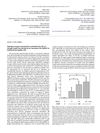
September 2011 in “Journal of Dermatological Science” TGF-β1 increases androgen receptor activity in hair loss, but Hic-5/ARA55 can counter this effect.
June 2010 in “Chinese Journal of Dermatology” This study found a novel R430Q gene mutation in hHb6, which may be linked to the hereditary hair disorder monilethrix in the examined family.
In this study, researchers identified the c.296C>T (p.T99I) variant in the KRT32 gene, which co-segregates with loose anagen hair syndrome, and found it decreases binding affinity to KRT82, potentially weakening hair anchorage.
July 2025 in “Journal of Investigative Dermatology” Enhancing Tregs can protect against alopecia areata.
In this study, researchers observed that oncogenic HrasG12V in single murine epidermal cells leads to an initial increase in progenitor cell renewal, but ultimately results in balanced cell fate choices that limit clone growth.
October 2024 in “GE Portuguese Journal of Gastroenterology” This case report describes a 78-year-old male with adenocarcinoma and Hypertrichosis lanuginosa acquisita, highlighting the need to consider malignancy in patients with unexplained excessive hair growth.
56 citations
,
November 2007 in “Molecular and cellular endocrinology” This study identified enzymes responsible for regulating androgen action in the human prostate, suggesting that inhibiting AKR1C2 or RL-HSD may have therapeutic potential in androgen insufficiency or benign prostatic hyperplasia, respectively.
10 citations
,
March 2022 in “Frontiers in Oncology” This study found that the overexpression of the lncRNA HOTTIP in glioma cells increased resistance to the chemotherapy drug temozolomide, suggesting a key role for miR-10b and EMT processes in this resistance.
15 citations
,
August 2019 in “F1000Research” This review discusses the physiological roles of anthrax toxin receptors CMG2 and TEM8, highlighting their influence on extracellular matrix homeostasis, angiogenesis, cell migration, and skin elasticity, and reports no new clinical results.
 19 citations
,
August 1999 in “European journal of endocrinology”
19 citations
,
August 1999 in “European journal of endocrinology” This study concluded that neither basal nor ACTH-stimulated 17-OHP concentrations effectively indicate carrier status for 21-hydroxylase deficiency among Slovenian hyperandrogenic women, recommending molecular analysis of the CYP21 gene for reliable screening.

This study found that chemically induced skin tumors in mice predominantly originated from Lgr6 + and/or Lrig1 + stem cells of the upper hair follicle rather than from other stem cell populations.
 3 citations
,
February 2020 in “The journal of gene medicine”
3 citations
,
February 2020 in “The journal of gene medicine” This study found a recurrent nonsense mutation in the HR gene linked to atrichia with papular lesions in two Kashmiri families, suggesting whole exome sequencing as an efficient method for diagnosis and genetic counseling.
 March 2026 in “Frontiers in Veterinary Science”
 This study found that all-trans retinoic acid (ATRA) inhibits proliferation and promotes apoptosis in secondary hair follicle-derived dermal papilla cells from cashmere goats, likely via the TGF-β2/Smad2/3 signaling pathway.