 46 citations
,
December 2001 in “Journal of Endocrinology/Journal of endocrinology”
46 citations
,
December 2001 in “Journal of Endocrinology/Journal of endocrinology” This study found that mouse FLRG protein, a secreted glycoprotein, is expressed in certain tissues and plays a role distinct from follistatin during wound healing, suggesting different functions in vivo.
 14 citations
,
November 2020 in “International Journal of Biological Macromolecules”
14 citations
,
November 2020 in “International Journal of Biological Macromolecules” This study found that Flammulina velutipes polysaccharides-derived scaffolds greatly enhanced wound healing and hair follicle regeneration in a rat model, particularly with the FPS/NaOH variant showing the best results.
 24 citations
,
July 2017 in “Structure”
24 citations
,
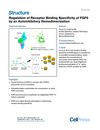
July 2017 in “Structure” In this study, researchers found that ligand homodimerization controls the receptor binding specificity of the FGF9 subfamily, preventing off-target activation of FGFR "b" isoforms.
 12 citations
,
June 2020 in “Frontiers in Cell and Developmental Biology”
12 citations
,
June 2020 in “Frontiers in Cell and Developmental Biology” This study found that the PP2A-B55α regulatory subunit is crucial for ectodermal development in mice, with knockout embryos displaying severe neural and epidermal defects and failing to survive to birth.
 August 2012 in “Nature Cell Biology”
 This study shows that the Wnt-β-catenin pathway promotes TERT expression in both stem and cancer cells, linking tumorigenesis with pluripotency.
53 citations
,
April 1985 in “Developmental Biology” Fibronectin and other basement membrane components increase during hair growth and decrease during rest.
8 citations
,
November 2020 in “Skin Research and Technology” This study found that enlarged facial pores in women show distinct microstructural alterations, including regular keratinocyte arrangement and irregular dermo-epidermal junctions, highlighting changes in skin tension linked to pore enlargement.
10 citations
,
January 1925 in “Archives of Dermatology” This article discusses a historical case of a rare skin disorder involving alopecia and follicular plugs reported in 1907; it presents no new findings.
47 citations
,
September 2012 in “Human molecular genetics online/Human molecular genetics” This study suggests that the interaction between folliculin and plakophilin-4 (p0071) may play a role in folliculin's tumor suppressor function by regulating RhoA signaling, impacting cell migration and junction formation.
 130 citations
,
January 1994 in “Differentiation”
130 citations
,
January 1994 in “Differentiation” In this study, researchers found that bulge cells in mouse hair follicles undergo transient proliferation during early anagen, indicating their role as follicular stem cells. However, another factor beyond dermal papilla proximity may be required to initiate a new anagen phase.
This study found that the protein Formin 2 helps regulate cell-to-cell transport in thale cress by stabilizing actin filaments at plasmodesmata, with its absence leading to increased permeability and vulnerability to viral infections.
 19 citations
,
July 1993 in “The journal of investigative dermatology/Journal of investigative dermatology”
19 citations
,
July 1993 in “The journal of investigative dermatology/Journal of investigative dermatology” The researchers reported that hair follicle germinative epidermal cells can form complex structures when associating with papilla cells in culture, unlike other types of epidermal cells.
 39 citations
,
April 2015 in “Regeneration”
39 citations
,
April 2015 in “Regeneration” This review discusses the regenerative processes of lizard tails, particularly focusing on the diversity in blastema development across different species, and reports no new findings.
 86 citations
,
December 2001 in “Experimental dermatology”
86 citations
,
December 2001 in “Experimental dermatology” This review classifies mutant mice with hair abnormalities into six categories, providing an annotated table that serves as a reference for understanding the molecular controls of hair growth.
 12 citations
,
July 2016 in “Forensic science international”
12 citations
,
July 2016 in “Forensic science international” This study found that postmortem root banding in hair is likely due to the degradation of the intermacrofibrillar matrix in the cortex, with no damage to the cuticle observed.
3 citations
,
December 2013 in “Journal of Cell Science” This study found that K79+ keratinocytes migrate outward to help form the hair follicle lumen both during development and adult regeneration, revealing a novel mechanism of hair follicle formation in mice.
 4 citations
,
January 2015 in “Sen'i Gakkaishi”
4 citations
,
January 2015 in “Sen'i Gakkaishi” This study proposed a network model for the cross-linked structure of keratin-associated proteins in hair and wool fibers, suggesting notable differences between the two, potentially affecting hair fiber elasticity.
77 citations
,
April 1968 in “Development” This study found that excess vitamin A in organotypic cultures of embryonic mouse skin led to abnormal hair follicle development and glandular metaplasia, unlike in untreated controls that showed normal differentiation.
1 citations
,
October 2025 in “International Journal of Molecular Sciences” This study found that zebrafish with a mutation in the GDP-fucose biosynthesis gene exhibited enhanced and faster regeneration of mechanosensory hair cells, implicating the importance of this gene and Notch signalling regulation in hair cell regeneration mechanisms.
 January 2023 in “bioRxiv (Cold Spring Harbor Laboratory)”
 In this study, researchers observed that after mesenchymal cell division in mouse and chicken embryonic skin, elevated migration speed and persistence for 180 minutes contribute to mesenchymal dispersal and preferential recruitment to dermal condensates.
 4 citations
,
September 2010 in “Medical Hypotheses” 2 citations
,
July 2001 in “Dermatologic Surgery”
4 citations
,
September 2010 in “Medical Hypotheses” 2 citations
,
July 2001 in “Dermatologic Surgery” This study reports two cases of trichoblastic neoplasms with histologic features suggesting they may be distinct, locally aggressive trichoblastic carcinomas separate from basal cell carcinoma.
11 citations
,
December 2009 in “Cell stem cell” This study demonstrates that Sox2+ dermal papilla fibroblasts exhibit properties of adult stem cells, including the ability to induce hair follicle formation and contribute to dermal regeneration.
85 citations
,
January 2018 in “Cell stem cell” This study found that synchronized signals in the microenvironment regulate stem cell lineage choices in hair follicles by influencing chromatin dynamics during regeneration.
 September 2007 in “PubMed”
 This study observed that subcutaneously implanted mixtures of human hair follicle cells in nude mice resulted in the formation of hair follicle-like structures, suggesting potential for hair regeneration.
 16 citations
,
May 2000 in “Endocrinology”
16 citations
,
May 2000 in “Endocrinology” This study identified a new gene, mrp4, in mice, which suggests it may have a unique role in the growth and development of hair follicles in the ears and tails.
694 citations
,
April 2000 in “Nature genetics” This study found that Msx2-deficient mice exhibit skull and bone formation defects similar to those seen in human MSX2-related conditions, highlighting the gene's importance in skeletal and organ development.
 August 2023 in “Military Medical Research”
 This review highlights that skin organoids, advanced three-dimensional models mimicking human skin, are emerging as effective alternatives to traditional culture models and human skin, overcoming limitations of two-dimensional systems and ethical concerns, and are being increasingly used in areas like developmental biology and disease modeling.

This study identified ISPP-Rb, a novel immuno-stimulatory complex from Royoporus badius, that significantly activates murine macrophage cells and induces multiple proinflammatory cytokines.
46 citations
,
January 1988 in “PubMed” This study found that Demodex mites may transport Microsporum canis spores on human skin, suggesting a potential role in microbial movement despite typically being considered harmless.