 183 citations
,
January 2018 in “Cosmetics”
183 citations
,
January 2018 in “Cosmetics” This review discusses side effects and allergy contact dermatitis caused by essential oils in cosmetic products and reports no new clinical results.
182 citations
,
December 2021 in “Cosmetics” This literature review discusses recent advances in using essential oils and their components in cosmetic products, highlighting their diverse benefits and challenges in formulation due to varying chemical profiles, as well as addressing safety considerations for these natural ingredients.
73 citations
,
July 1977 in “Archives of Dermatology” In this case report, applying linoleic acid topically reversed essential fatty acid deficiency and related skin symptoms in a patient receiving long-term fat-free intravenous nutrition.
 66 citations
,
August 2011 in “Parasitology Research”
66 citations
,
August 2011 in “Parasitology Research” This study found that Mentha pulegium essential oil had a stronger protoscolicidal effect against Echinococcus granulosus in vitro than Mentha piperita, showing dose- and time-dependent effects.
57 citations
,
December 2012 in “Molecules” This study found that mahanimbicine and a crude extract of Murraya koenigii may enhance wound healing in rats by promoting faster wound contraction and higher collagen deposition.
 53 citations
,
May 1995 in “Journal of The American Academy of Dermatology”
53 citations
,
May 1995 in “Journal of The American Academy of Dermatology” This article describes two cases where essential alopecia was the initial sign of syphilitic infection, examining the clinical and histopathologic features observed.
 49 citations
,
July 2009 in “Fitoterapia”
49 citations
,
July 2009 in “Fitoterapia” This study found that C. obtusa oils promoted hair growth in shaved mice and increased the expression of a hair growth regulator, VEGF, in a cell line.
 44 citations
,
January 2010 in “International journal of trichology”
44 citations
,
January 2010 in “International journal of trichology” This article discusses the complexity of selecting hair cleansing products and conditioners and reports no new scientific findings or results.
44 citations
,
June 1967 in “The journal of nutrition/The Journal of nutrition” This study found that essential fatty acid deficiency in rabbits leads to significant degeneration of gonadal tissue, possibly due to impaired anterior pituitary gland function.
 32 citations
,
July 2018 in “Scientific Reports”
32 citations
,
July 2018 in “Scientific Reports” In this study, the authors reported that feeding cashmere goats with essential oil-cobalt significantly enhanced their growth, meat quality, and fiber quality, while stimulating immune-related physiological changes.
 28 citations
,
January 2010 in “Biological & pharmaceutical bulletin”
28 citations
,
January 2010 in “Biological & pharmaceutical bulletin” This study identified that rose, thyme geraniol, palmarosa, and tolu balsam essential oils activate TRPV1, with citronellol and geraniol as newly recognized agonists.
 26 citations
,
July 2016 in “The journal of investigative dermatology/Journal of investigative dermatology”
26 citations
,
July 2016 in “The journal of investigative dermatology/Journal of investigative dermatology” In this study, loss of epidermal Par3 in mice disrupted the skin barrier and affected cell differentiation and stem cell maintenance, highlighting its role in epidermal homeostasis.
 23 citations
,
January 2016 in “Contact Dermatitis”
23 citations
,
January 2016 in “Contact Dermatitis” This study found that a small number of patients with essential oil allergies could be missed if only standard fragrance tests are used, suggesting the need for specific testing and careful product inspection.
 22 citations
,
September 2015 in “Clinical lymphoma myeloma & leukemia/Clinical lymphoma, myeloma and leukemia”
22 citations
,
September 2015 in “Clinical lymphoma myeloma & leukemia/Clinical lymphoma, myeloma and leukemia” This review describes the various cutaneous manifestations of essential thrombocythemia and how treatments like hydroxycarbamide, interferon-alfa, and anagrelide may lead to skin complications, but does not report new clinical findings.
 20 citations
,
May 1985 in “British journal of nutrition”
20 citations
,
May 1985 in “British journal of nutrition” This study found that in genetically diabetic mice, supplementation with safflower or evening primrose oil prevented the decrease in certain fatty acids and improved skin conditions, but increased plasma glucose levels.
 18 citations
,
December 2016 in “Phytomedicine”
18 citations
,
December 2016 in “Phytomedicine” In this study, applying 1% or 5% Curcuma aeruginosa essential oil lotion to the underarm for 10 weeks significantly slowed hair growth and brightened skin in young women, with no adverse effects reported.
 18 citations
,
June 1998 in “Circulation”
18 citations
,
June 1998 in “Circulation” This letter discusses how outdated measurement technology may obscure evidence of essential fatty acid deficiency in low-fat diet patients, potentially leading to undiagnosed EFA insufficiencies related to heart disease.
 15 citations
,
October 2021 in “Frontiers in Pharmacology”
15 citations
,
October 2021 in “Frontiers in Pharmacology” This commentary discusses the potential of natural volatiles in medical aromatherapy, highlighting their ability to synergize with other drugs and modulate biological processes, but reports no new results.
 15 citations
,
July 2015 in “Journal of Essential Oil Bearing Plants”
15 citations
,
July 2015 in “Journal of Essential Oil Bearing Plants” This review discusses the phytoconstituents and biological properties of T. orientalis and T. occidentalis, but reports no new clinical results.
14 citations
,
July 2019 in “Journal of Investigative Dermatology” In this study, targeted inactivation of the integrin-linked kinase gene in melanoblasts led to defects in cell migration, proliferation, and ability to populate the skin, implicating an integrin-linked kinase-Rac1 connection in melanocyte function.
14 citations
,
July 1977 in “PubMed” This study reported that a 19-year-old man's essential fatty acid deficiency was reversed with daily topical application of linoleic acid, improving clinical symptoms and normalizing certain fatty acid levels.
14 citations
,
July 1977 in “Archives of Dermatology” This case report found that a linoleic acid topical application reversed essential fatty acid deficiency and improved scalp dermatitis, alopecia, and hair depigmentation in a 19-year-old patient on fat-free intravenous nutrition.
 13 citations
,
September 2016 in “Cosmetics”
13 citations
,
September 2016 in “Cosmetics” This review discusses the components and effects of various hair cosmetic procedures and explores new techniques like camouflage methods and tattoo scalp, without reporting new clinical results.
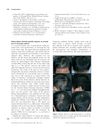 10 citations
,
July 2012 in “International Journal of Dermatology”
10 citations
,
July 2012 in “International Journal of Dermatology” This article addresses diffuse pattern essential syphilitic alopecia as an unusual form of secondary syphilis but provides no new clinical findings.
 8 citations
,
November 2024 in “Scientific Reports”
8 citations
,
November 2024 in “Scientific Reports” In this study, different drying methods for Hedychium spicatum rhizomes significantly affected the essential oil yield, antioxidant potential, and compound composition, with the HSOV30 method yielding the highest oil content, antioxidant activity, and specific compound levels such as 1,8-cineole and elemol.
 6 citations
,
November 2021 in “Frontiers in immunology”
6 citations
,
November 2021 in “Frontiers in immunology” This study suggests that STAT3 signaling in keratinocytes is crucial for maintaining skin homeostasis by regulating hair follicle-specific keratin genes, potentially impacting dermatitis development through microbe-triggered inflammatory responses.
4 citations
,
January 2025 in “Molecules and Cells” This guide provides essential information for researchers working with laboratory mice, including husbandry, maintenance, ethical considerations, and resources for strains and data, emphasizing the importance of the 3Rs (replacement, reduction, and refinement) for humane research practices.
 3 citations
,
September 1975 in “Journal of animal science/Journal of animal science ... and ASAS reference compendium”
3 citations
,
September 1975 in “Journal of animal science/Journal of animal science ... and ASAS reference compendium” This study found that pigs fed a fat-free diet had significantly less body dry matter and ether extract compared to those consuming a diet with corn oil, although weight gain was unaffected by the fat content.
2 citations
,
August 2022 in “Animals” This review discusses the potential use of essential oils and melatonin as nutraceuticals in dogs, highlighting their promising applications for addressing conditions like stress, anxiety, sleep disorders, and alopecia.
2 citations
,
March 2016 in “Düşünen Adam” This case report describes alopecia associated with escitalopram use, which improved upon switching to duloxetine, and examines existing literature on antidepressant-related hair loss.