 January 2024 in “Wiadomości Lekarskie”
 This review highlights that AI-based echocardiography in cardiology can enhance diagnostic precision, automation, and therapeutic strategy development, but also presents challenges like diagnostic errors and high costs, indicating a cautious yet promising progression in its adoption.
 March 2024 in “Plant physiology”
 This study found that the transcription factor GLABRA 2 inhibits ethylene production, regulating root hair growth in Arabidopsis under nutrient deficiency conditions.
 6 citations
,
October 2017
6 citations
,
October 2017 This review summarizes the antioxidant and anticarcinogenic properties of Indian Gooseberry, its phytochemical composition, and its use in traditional Ayurvedic medicine, but reports no new clinical results.
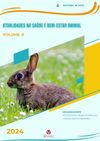 January 2024 in “Editora In Vivo eBooks”
 In this case report, a female mixed-breed dog was observed with dermatophytosis, presenting with alopecia in the neck and ear, highlighting the zoonotic nature of the infection caused by fungi that can affect both animals and humans.
3 citations
,
March 2019 in “European Journal of Dermatology” A specific gene mutation (Y449H in K10) was found in a patient with severe skin disorder.
248 citations
,
September 2006 in “PLANT PHYSIOLOGY” This study observed that extracellular ATP is present in Medicago truncatula and correlates with regions of active cell growth, suggesting its integral role in plant development.
January 2023 in “Applied sciences” This study suggests that Equisetum debile extracts, particularly the ethyl acetate fraction, may offer natural cosmeceutical benefits for treating hyperpigmentation, delaying skin aging, and remediating hair loss due to androgenic alopecia.
February 2015 in “Rivm (National Institute for Public Health and the Environment)” This report summarizes data from The Netherlands' cosmetovigilance system from 2009-2014, finding that facial and hair products commonly caused undesirable skin reactions like erythema and itching, with severe cases occasionally involving hair loss and respiratory issues.
 12 citations
,
December 2020 in “Archives animal breeding/Archiv für Tierzucht”
12 citations
,
December 2020 in “Archives animal breeding/Archiv für Tierzucht” This study found that EDA and EDAR are expressed throughout cashmere goat fetal development and play a critical role in hair follicle formation by influencing gene expression in fibroblasts and epithelial cells.
36 citations
,
June 2015 in “International journal of toxicology” This study established a new mouse model for TCE-induced skin sensitization and reported that proinflammatory cytokines TNF-α, IFN-γ, and IL-2 significantly contribute to this sensitization process.
July 2021 in “British Journal of Dermatology” This report describes a boy with ectodermal dysplasias who was genetically diagnosed due to newly discovered TSPEAR gene variants, which have now been associated with this condition.
 November 2018 in “Annals of oncology”
 This study found that the computer-controlled RV-01 scalp cooling device helped prevent significant hair loss in metastatic breast cancer patients treated with eribulin, with none of the 16 patients requiring a wig and experiencing minimal discomfort.
 October 2021 in “Revista Medicina Cutánea Ibero-Latino-Americana”
 This case report describes a patient who developed PRIDE syndrome-associated skin issues, including a pruritic papulopustular rash and alopecia, after starting treatment with the EGFR inhibitor erlotinib.
This study characterized Eclipta alba for use in a capillary product for alopecia, confirming its suitable physico-chemical properties and pharmacological constituents, including wedelolactone for hair growth.
 March 2024 in “Birth defects research”
 This correspondence comments on a 2023 study by Nagaoka et al. regarding the maternal–fetal safety of an aqueous extract of Casearia sylvestris leaves in rats, but it does not provide new results or data.
10 citations
,
January 1987 in “PubMed” This study found that triiodothyronine and epidermal growth factor differentially affected craniofacial development in neonatal rats, with various impacts on hair growth direction, incisor eruption, and ear and eyelid development.
March 2015 in “Institutional Repositories DataBase (IRDB)”  April 2018 in “The journal of investigative dermatology/Journal of investigative dermatology”
 This study observed that in an ex vivo setting, 17β-estradiol increased CB1 expression in human hair follicles, suggesting possible sensitivity to endocannabinoids and a potential mechanism for hair therapy.
 February 2019 in “Journal of Pakistan Association of Dermatologists”
 In this study, eflornithine cream combined with intense pulsed light treatment significantly improved facial hair removal in women with hirsutism compared to IPL treatment alone.
This study identified UBC22 as a novel E2 enzyme responsible for Lys11-linked ubiquitination in Arabidopsis, revealing its crucial roles in seed setting, female gametophyte development, and pathogen resistance.
January 2026 in “Ethnobiology” 14 citations
,
March 1987 in “Journal of Investigative Dermatology”  July 2025 in “Indian Journal of Forensic Medicine & Toxicology”
 This review highlights how the development of forensic DNA phenotyping systems like IrisPlex, HIrisPlex, and HIrisPlex-S has advanced criminal investigation by accurately predicting physical traits such as eye, hair, and skin color from DNA, thereby improving the precision and relevance of forensic applications.
September 2004 in “Experimental Dermatology” This study developed a tissue-engineered model of innervated skin, allowing for examination of how epidermis and capillaries affect nerve growth and offering a tool for further research on skin-related processes.
2 citations
,
October 2025 in “Antimicrobial Agents and Chemotherapy” This study found that cepharanthine may be a promising treatment for enterovirus infections, as it offered full protection to mice against lethal EV71 challenges and reduced viral titers and pathology.
January 2014 in “China Animal Husbandry & Veterinary Medicine” This study found that EGF, IGF-Ⅰ, and IGF-Ⅰ R are extensively expressed in mink skin and hair follicles, suggesting these genes play crucial roles in their development.
October 2021 in “Scholarworks (University of Massachusetts Amherst)” This dissertation demonstrates that FERONIA regulates essential plant functions such as RAC/ROP signaling, pollen tube reception, cell wall integrity, and sugar signaling as a cell surface receptor kinase.
June 2026 in “Food & medicine homology.” This study suggests that Epimedium can serve as a complementary and alternative treatment for chronic bone and joint diseases, potentially laying the groundwork for its clinical application.
February 2023 in “American Journal of Biomedical and Life Sciences” The researchers reported that hair bio element median derivatives bioassay is an effective and reliable method for evaluating the nutritional status of various bio elements, offering a non-invasive approach for nutritional health surveillance and precision medicine.
8 citations
,
May 2019 in “International Society of Hair Restoration Surgery” This review discusses the establishment of standard terminology for follicular unit extraction (FUE) by the ISHRS committee and reports no new results; the terminology is now widely accepted in hair restoration practices.