 April 2024 in “JEADV clinical practice”
 This study reports a case where a patient with rheumatoid arthritis and alopecia areata saw significant improvement in both conditions after switching to daily upadacitinib treatment, specifically achieving complete hair regrowth within six months.
This creative piece by Christa Fairbrother poetically explores the experiences of living with arthritis, with no new research findings reported.
 September 2025 in “Dermatology and Therapy”
 This study reviewed the burden of alopecia areata in the UAE, noting limited regional data on patient demographics and treatments but highlighting the approval and promising results of the Janus kinase inhibitor baricitinib for managing this condition.
 15 citations
,
July 1997 in “Clinics in Dermatology”
15 citations
,
July 1997 in “Clinics in Dermatology” Traditional Chinese medications can cause skin reactions, and better testing and reporting are needed to identify allergens.
7 citations
,
October 2023 in “JDDG Journal der Deutschen Dermatologischen Gesellschaft” This article emphasizes the importance of educating dermatologists to reduce diagnostic delays in FD and highlights the need to screen for comorbid hidradenitis suppurativa and obtain bacterial cultures for effective treatment planning.
 4 citations
,
August 2013 in “Case reports in dermatology”
4 citations
,
August 2013 in “Case reports in dermatology” This case report describes a patient in whom vitiligo was induced by diphenylcyclopropenone treatment for alopecia universalis, highlighting the potential overlap of susceptibility genes between the two conditions.
 February 2026 in “Dove Medical Press (Taylor and Francis Group)”
 This case report highlights two instances of alopecia areata, demonstrating diverse presentations, and suggests upadacitinib as a promising treatment option, resulting in hair regrowth within 3–6 months, without worsening sarcoidosis-related skin lesions.
2 citations
,
October 2024 in “Archives of Dermatological Research”  6 citations
,
May 2020 in “Molecules/Molecules online/Molecules annual”
6 citations
,
May 2020 in “Molecules/Molecules online/Molecules annual” This study found that while yak belly hair is chemically similar to human hair, its higher porosity and lower mechanical strength limit its usefulness as a substitute in hair dye development.
 February 2023 in “European Journal of Dermatology”
 In this retrospective study from North France, apremilast was used in patients with psoriasis and recent cancer, showing a good safety profile and improved quality of life, though with 65.2% experiencing non-serious adverse events. The need for further research on oncological safety was highlighted.
 January 2024 in “JAAD case reports”
 This study discusses zinc's vital role in skin cell growth and how its deficiency can lead to acrodermatitis enteropathica, marked by symptoms like alopecia and dermatitis. It notes that similar symptoms appear in people with certain metabolic conditions, referred to as acrodermatitis dysmetabolica.
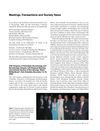 February 2009 in “International Journal of Dermatology”
 This article reports no new results; it is a publication of meetings, transactions, and society news from the International Journal of Dermatology.
 3 citations
,
February 2014 in “The Journal of Korean Medicine Ophthalmology and Otolaryngology and Dermatology”
3 citations
,
February 2014 in “The Journal of Korean Medicine Ophthalmology and Otolaryngology and Dermatology” In this clinical report, oriental medicine treatment was observed to regrow hair on alopecia areata patches and reduce lymphadenopathy symptoms in a 27-year-old patient.

This article discusses ongoing research efforts to develop natural anti-androgenetic alopecia treatments using bioactive compounds from medicinal plants but reports no new clinical results.
3 citations
,
April 1991 in “PEDIATRICS” This reply argues that children with isolated extraordinary daytime frequency do not require extensive testing or aggressive pharmacologic treatments, noting potential negative effects of oxybutynin.
3 citations
,
July 2023 in “International Journal of Trichology” This study found that treatment with diphenylcyclopropenone led to more than 75% hair regrowth in 33.3% of patients with alopecia totalis or alopecia universalis, despite notable side effects.
July 2023 in “JAAD Case Reports” 37 citations
,
January 2015 in “Journal of Clinical and Experimental Dentistry” This animal study found that both systemic and topical forms of Zizyphus jujuba extract were associated with reduced severity of oral mucositis in golden hamsters treated with 5-fluorouracil.
 August 2024 in “Journal of Marine Medical Society”
 This case report highlighted the use of dermoscopy not only for diagnosing skin disorders but also as an educational tool to inform patients about the harmful effects of unqualified medical advice, particularly highlighting the quackery issue in dermatology.
December 2025 in “Jurnal Ilmiah Kesehatan (JIKA)” This study found that a 15% concentration of Wilalondahi bark extract gel significantly improved wound healing and reduced inflammation in mice, with wounds completely healed by day 9, demonstrating comparable effectiveness to the positive control.
January 2020 in “AYBU AVESIS” This study found no significant difference in 2D:4D ratios and autism questionnaire scores between acne vulgaris patients and healthy controls, despite investigating potential links in this novel context.
 1 citations
,
January 2023 in “Journal of Pharmacognosy and Phytochemistry”
1 citations
,
January 2023 in “Journal of Pharmacognosy and Phytochemistry” This study provided detailed anatomical, physico-chemical, and chromatographic analyses to differentiate Dracaena trifasciata from potential adulterants in traditional medicine.
4 citations
,
May 2025 in “Journal of the American Academy of Dermatology” Dupilumab can both improve and worsen alopecia areata, needing more research.
 1 citations
,
March 2023 in “Frontiers in Cardiovascular Medicine”
1 citations
,
March 2023 in “Frontiers in Cardiovascular Medicine” A specific gene variant is linked to heart disease, increased heart muscle, curly hair, and thick skin on palms and soles.
 January 1998 in “Dermatology”
 Various dermatology events and meetings were announced for 1998.
This study evaluated the use of dutasteride mesotherapy for treating androgenetic alopecia in real clinical practice, finding it effective in improving hair loss for both men and women with mild side effects, primarily pain.
January 2017 in “대한본초학회지(본초분과학회지)” This study found that Sinseon-yukza-hwan extract has strong antioxidative properties, effectively inhibiting free radical generation, which supports its potential use as a natural antioxidant.
March 1956 in “Institutional Repositories DataBase (IRDB)” February 2025 in “Journal of the European Academy of Dermatology and Venereology” This study found that ultraviolet-induced fluorescence dermoscopy enhanced the identification of follicular openings in alopecia areata, potentially aiding in the assessment of disease severity and treatment strategies.
January 2012 in “Nei Mongol Journal of Traditional Chinese Medicine” In this study, Zusanli acupoint injections of metoclopramide significantly improved dyspeptic symptoms in patients with functional dyspepsia more than oral domperidone, with no adverse reactions in either group.