 55 citations
,
June 2014 in “Nature Communications”
55 citations
,
June 2014 in “Nature Communications” This study found that overexpression of the transcription factor Tcf3 accelerates keratinocyte migration and skin wound healing in mice, highlighting its potential as a therapeutic target for wound repair.
April 2012 in “Neuropediatrics” This article reviews the genetic and phenotypic characteristics of Trichothiodystrophy and discusses the associated DNA repair defects, but does not report new clinical findings.
 83 citations
,
January 2001 in “American journal of clinical dermatology”
83 citations
,
January 2001 in “American journal of clinical dermatology” This review discusses the clinical features of trichotillomania and the challenges in its diagnosis and treatment, reporting no new clinical findings while highlighting the need for specialized therapy and better therapeutic options.
65 citations
,
February 2011 in “Molecular cancer therapeutics” This study reported that the novel AKT inhibitor CCT128930 demonstrated significant antitumor activity in human cancer cell lines and xenografts, highlighting its potential as an anticancer therapy.
 2 citations
,
January 2023 in “Sexual Medicine”
2 citations
,
January 2023 in “Sexual Medicine” This study found that the MTCK, a masturbation aid, significantly improved intravaginal ejaculation latency time and some related sexual function scores in men with premature ejaculation after 8 weeks of use.
3 citations
,
May 2018 in “Psychiatry and Clinical Psychopharmacology” In this report, an 18-year-old female with trichotillomania was successfully treated using the glutamate modulator n-acetylcysteine.
 14 citations
,
January 2021 in “Scientific Reports”
14 citations
,
January 2021 in “Scientific Reports” This study found that "micro skin tissue columns" improved wound healing by enhancing re-epithelialization, collagen deposition, dermal remodeling, and reducing inflammation without causing long-term donor site morbidity.
21 citations
,
February 1988 in “Toxicology” This study found that high doses of TCB caused severe toxicity in cotton top marmoset monkeys, with clinical and histological changes similar to those in humans and other primates exposed to PCBs.
January 2009 in “Epsilon: Revista de la Sociedad Andaluza de Educación Matemática "Thales"” This report describes a Cronkhite-Canada syndrome patient with severe sepsis and disseminated intravascular coagulation successfully treated using combined therapies, including recombinant human soluble thrombomodulin.
 February 2026 in “Oncology Reviews”
 This review highlights the promising clinical outcomes of sacituzumab tirumotecan (sac-TMT), an antibody-drug conjugate for breast cancer that targets TROP2, demonstrating improved response rates and progression-free survival, with manageable safety concerns including primarily mild-to-moderate nausea and alopecia.
2 citations
,
September 2024 in “PLoS ONE” This study suggests that combining bendamustine with tucidinostat may improve survival in patients with relapsed or refractory adult T-cell leukemia/lymphoma, highlighting its potential for clinical investigation.
In this case report, a 25-year-old female with Mixed Connective Tissue Disease presented unusual symptoms in a specific geographical region, prompting clinicians to approach diagnosis and management with caution due to potential severe complications such as pulmonary hypertension and renal crisis.
1 citations
,
September 2025 in “Pediatric Dermatology” This systematic review reported that habit reversal training showed the most consistent benefit for treating pediatric trichotillomania, while evidence for pharmacological treatments and alternative therapies like N-acetylcysteine remains insufficient, highlighting the need for early behavioral intervention and further research into standardized treatment protocols.
This case report highlights the clinical and trichoscopic diagnosis of congenital triangular alopecia in a 9-month-old boy and notes the condition's typical unresponsiveness to traditional treatments.
 April 2023 in “The journal of investigative dermatology/Journal of investigative dermatology”
 This study revealed distinct cellular and transcriptomic differences among various subtypes of cutaneous T-cell lymphoma, particularly highlighting characteristics unique to folliculotropic mycosis fungoides.
January 2025 in “Open Veterinary Journal” This case series reports that electrochemotherapy with intravenous bleomycin effectively resolved cutaneous mast cell tumors in four cats, showing no tumor recurrence during follow-up, except for new lesions in one cat, and minimal local toxicity.
 May 2024 in “Actas dermo-sifiliográficas/Actas dermo-sifiliográficas”
 This review outlines current treatment strategies for trichotillomania, noting cognitive-behavioral therapy's success, while highlighting the promise and limitations of various pharmacological options.
October 2025 in “International Journal of Cosmetic Science” This study found that longer-chain cationic surfactants like BTMC provided superior hair conditioning by reducing combing forces, but did not reverse oxidative hair damage, emphasizing the role of molecular structure in surfactant performance.
 1 citations
,
August 2023 in “Frontiers in immunology”
1 citations
,
August 2023 in “Frontiers in immunology” This review highlights the potential of TCM medicinal foods for managing post-COVID disorders and suggests they could provide a safe and efficient long-term therapy due to their milder nature.
 August 2026 in “Bone and Joint Research”
 In this study, tibial cortex transverse transport accelerated wound healing in diabetic rats, potentially through enhanced mobilization of non-classical monocytes and increased M2 macrophage polarization.
 2 citations
,
January 2023 in “Journal of Education, Health and Sport”
2 citations
,
January 2023 in “Journal of Education, Health and Sport” In this study, researchers reviewed current treatments for trichotillomania and found that psychotherapy, particularly cognitive-behavioral therapy like habit reversal training, is most effective, with some medications helping to alleviate symptoms, though further study is needed on their use.
15 citations
,
January 2012 in “International journal of trichology” This study found that the HairCheck® device, demonstrating high correlation between its Hair Mass Index and hair characteristics such as strand number and diameter, may be an effective tool for assessing hair mass changes in alopecia patients.
3 citations
,
October 2020 in “Journal of Investigative Dermatology” This study established that the Dct::CreERT2 mouse line is effective for targeting and studying adult melanocyte stem cells, contributing to the understanding of melanocyte biology and hair pigmentation.
33 citations
,
May 2017 in “Journal of Clinical Oncology” This phase I study reported that ETC-159, targeting Wnt signalling, showed tolerable safety profiles at doses that inhibit its pathway, though bone turnover markers increased, warranting early and regular monitoring. No tumor responses were observed, but two patients achieved stable disease for several cycles.
 19 citations
,
October 2013 in “Headache: The Journal of Head and Face Pain”
19 citations
,
October 2013 in “Headache: The Journal of Head and Face Pain” This review discusses conventional and alternative treatments for trigeminal autonomic cephalalgias, including cluster headache, paroxysmal hemicrania, and SUNCT, and recommends specific medications without reporting new clinical findings.
 75 citations
,
October 1996 in “Dermatologic Clinics”
75 citations
,
October 1996 in “Dermatologic Clinics” This review examines chronic telogen effluvium, highlighting its distinctive features and the need for reassurance about its non-progressive nature, but reports no new clinical results.
 April 2007 in “Nature Clinical Practice Urology”
 TICE salvage chemotherapy is effective for treating germ-cell tumors with poor prognosis.
 1 citations
,
February 2018 in “Orthopedics and rheumatology”
1 citations
,
February 2018 in “Orthopedics and rheumatology” This study found that combining intra-arterial chemotherapy with Traditional Chinese Medicine may improve response rates in malignant bone and soft tissue tumor treatment while also managing specific side effects.
March 2022 in “Oncology Times” In this study, tebentafusp-tebn improved overall survival in patients with metastatic uveal melanoma compared to standard therapies, despite higher rates of significant adverse events.
 February 2025 in “Tạp chí Y học Việt Nam”
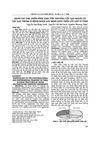
 This study observed that CT imaging is essential for evaluating posterior column injuries in patients with tibial plateau fractures, finding a 26.7% occurrence rate in the posterolateral column and 25.7% in the posteromedial column, aiding in accurate intervention planning.