 2 citations
,
January 2022 in “BioMed Research International”
2 citations
,
January 2022 in “BioMed Research International” This study found that using an LED array with an 863 nm wavelength delayed tumor development and reduced systemic inflammatory cytokines in DMBA/TPA-induced mouse skin tumors, suggesting potential but limited benefits of light therapy.
11 citations
,
March 2012 in “Journal of the American Academy of Dermatology” This study found that Nd:YAG laser-assisted hair removal achieved high satisfaction with minimal complications among individuals with dark-complexioned skin seeking unwanted hair reduction.
 February 2018 in “Journal of Aesthetic Nursing”
 This editorial emphasizes the critical need for laser protection supervisors in the aesthetic sector due to a rise in laser-related claims attributed to inadequate training and safety protocol adherence, highlighting that better understanding and supervision can help mitigate risks.
 July 2021 in “British Journal of Dermatology”
 Laser treatment for skin conditions VEN and ILVEN is effective and liked by patients.
June 2024 in “Lasers in Surgery and Medicine” This study found that the novel dermal cooling system was an effective and safe treatment for reducing pigmentation in benign pigmented lesions in Asian patients, with minimal side effects.
 May 2025 in “Lasers in Medical Science”
 In this study, both erbium: YAG and erbium: glass lasers were found to be effective in treating androgenetic alopecia by improving hair density, growth rate, and thickness, particularly when combined with other therapies like minoxidil or platelet-rich plasma, though individual patient responses varied.
April 2025 in “Journal of Biophotonics” This study found that 808 nm laser photobiomodulation altered mitochondrial respiration and enhanced osteogenic protein expression in human dental pulp stem cells, with the effects being dose-specific and more pronounced at 15 J/cm².

This study suggests that a portable OCT system may be useful for the clinical diagnosis and evaluation of skin diseases and laser treatment outcomes.
2 citations
,
November 2025 in “Healthcare” This study found that among young patients with acne vulgaris, combining a 675 nm red-light laser with isotretinoin led to more rapid and pronounced improvement in lesion severity compared to laser treatment alone, without adverse events.
 May 2023 in “Current Applied Science and Technology”
 In this animal study, researchers found that exposure to a CO2 laser at various power levels caused significant skin damage in rats, including severe burns, coagulation, and tissue obliteration, with higher laser doses resulting in more pronounced injuries.
27 citations
,
November 2010 in “JDDG Journal der Deutschen Dermatologischen Gesellschaft” This review discusses recent advancements in dermatological laser therapy, highlighting its growing applications but noting gaps in data on long-term effects and side effects.
 10 citations
,
January 2007 in “Journal of cosmetic and laser therapy”
10 citations
,
January 2007 in “Journal of cosmetic and laser therapy” In this study, a new IPL device effectively reduced hair regrowth with high patient satisfaction, particularly in individuals with coarse dark hair and darker skin, despite repeated sessions needed for lighter hair and skin.
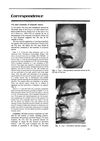 8 citations
,
January 1989 in “Journal of The American Academy of Dermatology”
8 citations
,
January 1989 in “Journal of The American Academy of Dermatology” This report suggests that CO2 laser treatment may be an effective alternative for removing traumatic tattoos caused by firearms, based on two successful patient cases.
 9 citations
,
May 2021 in “Archives of Dermatological Research”
9 citations
,
May 2021 in “Archives of Dermatological Research” This study concluded that while home-based intense pulsed light, laser diodes, radiofrequency, and light-emitting diode devices are recommended for certain skin conditions, ultraviolet B phototherapy for psoriasis showed mixed evidence compared to clinic treatments.
March 1996 in “The American Journal of Cosmetic Surgery” This article describes a surgical technique combining CO2 SilkTouch Laser and Calvitron Hair Transplant System that offers a natural-looking hairline with moderate session length and minimal bleeding, but reports no new clinical outcomes.
July 2025 in “Journal of Investigative Dermatology” Laser treatment boosts hair growth by activating a key growth factor.
 2 citations
,
January 2021 in “JAAD Case Reports”
2 citations
,
January 2021 in “JAAD Case Reports” This article reviews potential causes for angiolymphoid hyperplasia with eosinophilia, a benign vascular tumor often found in middle-aged adults, and reports no new clinical findings.
 May 2005 in “Seminars in Plastic Surgery”
 This article shares the authors' experiences with the erbium YAG laser in hair restoration surgery, noting improved graft yield and reduced thermal damage compared to traditional methods.
This study found that low-level laser therapy may enhance wound healing and reduce pain, swelling, and inflammation by increasing mitochondrial activity and oxidative stress, leading to greater protein synthesis and cell proliferation.
 June 2005 in “British Journal of Oral & Maxillofacial Surgery”
 This study found that two years after treatment, the continuous-wave Sharplan 40C SilkTouch laser system led to better collagen organization compared to the pulsed Coherent 5000C UltraPulse system in patients who underwent skin resurfacing.
 2 citations
,
August 2016 in “Lasers in Surgery and Medicine”
2 citations
,
August 2016 in “Lasers in Surgery and Medicine” In this study, photodynamic therapy was found to achieve permanent reduction of nonpigmented hair in mice, unlike an 800-nm diode laser, by targeting the hair matrix through repeated sessions.
November 2015 in “Springer eBooks” Laser hair removal can be effective for people with darker skin tones.
 June 1999 in “Proceedings of SPIE”
 The study suggests that CO₂ laser creates hair transplant channels with significantly less lateral thermal damage than Ho:YAG laser in the human scalp.
 40 citations
,
October 2009 in “Journal of Biomedical Nanotechnology”
40 citations
,
October 2009 in “Journal of Biomedical Nanotechnology” This review discusses pyrene excimer nucleic acid probes for detecting biomolecules and protein-DNA interactions and reports no new experimental findings.
April 2026 in “Spectrochimica Acta Part A Molecular and Biomolecular Spectroscopy” 13 citations
,
July 2024 in “Medicina” This review investigates laser-induced Koebner-related reactions and highlights how different laser types, targets, and session frequencies affect the development of these skin responses, particularly in individuals with darker skin phototypes.
 April 2018 in “Journal of Investigative Dermatology”
 This study found that 1550-nm Er:Glass fractional laser treatment significantly increased hair density and shaft diameter in patients with androgenetic alopecia, though the mechanism may not involve Wnt10A or IGF-1 expression.
68 citations
,
January 2012 in “Lasers in surgery and medicine” This study found that combining microdermabrasion, a topical regimen, and low-fluence QS Nd:YAG laser treatment effectively cleared melasma in women, with 81% of participants achieving over 75% clearance and minimal side effects.
This study found that low-level laser therapy (LLLT) may enhance hearing recovery after noise-induced hearing loss in rats.
 13 citations
,
January 2014 in “Aesthetic Surgery Journal”
13 citations
,
January 2014 in “Aesthetic Surgery Journal” This study found that Cyperus rotundus essential oil is as effective as the Alexandrite laser in reducing the growth of unwanted axillary hair, with notable effectiveness in decreasing white hair growth.