 December 2022 in “Discover Psychology”
 This case report describes a 23-year-old African-American woman who suffered a small bowel obstruction after ingesting hair from a hair weave, highlighting a specific risk associated with trichophagia in Black hair care practices.
19 citations
,
January 2011 in “International journal of trichology” This case study reports a rare occurrence of a large trichobezoar in a 3-year-old male, who presented with a thread protruding from his mouth without any signs of hair loss.
 30 citations
,
August 2018 in “Dermatology and Therapy”
30 citations
,
August 2018 in “Dermatology and Therapy” This review discusses the diagnostic and treatment challenges of trichotillomania and emphasizes the need for better-designed studies to optimize treatment approaches.
 May 2022 in “European medical journal”
 This case report highlights a rare instance of gastric trichobezoar, or "Rapunzel syndrome," associated with trichotillomania, characterized by hair accumulation in the stomach of a patient.
 February 2024 in “World journal of clinical cases”
 This case study reported a 24-year-old woman with a trichobezoar causing a bowel obstruction, which required surgical removal to prevent serious complications, leading to a full recovery after treatment.
22 citations
,
May 2010 in “Journal of Pediatric Gastroenterology and Nutrition” This case report documents a rare instance of Rapunzel syndrome causing biliary obstruction in a 3-year-old girl, highlighting the importance of considering trichobezoar in cholestasis diagnosis.
 December 2020 in “International journal of medical science and clinical invention”
 In this case report, the authors describe a rare instance of Rapunzel syndrome in an 8-year-old girl presenting with a large trichobezoar extending from the stomach into the jejunum, linked to trichotillomania and trichophagia, highlighting the need for psychiatric management to prevent recurrence.
 December 2024 in “Chemical Senses”
 This study investigated Cronkhite-Canada syndrome in ten patients, finding severe taste abnormalities in the anterior tongue linked to tongue papillary atrophy, which improved with treatment. Taste function tests were helpful in evaluating treatment effectiveness for this rare disorder.
 13 citations
,
June 2010 in “Journal of The American Academy of Dermatology”
13 citations
,
June 2010 in “Journal of The American Academy of Dermatology” This study reports previously unreported nail features in Cronkhite-Canada syndrome, specifically recurrent onychomadesis of all 20 nails linked to systemic illness.
 6 citations
,
May 2010 in “The Journal of Dermatology”
6 citations
,
May 2010 in “The Journal of Dermatology” A woman with anorexia developed gout from self-induced vomiting.
 January 2024 in “Wiadomości Lekarskie”
 This study reports a successful combination treatment for phospho-organic compound poisoning, using standard therapy with atropine and toxogonin along with exogenous cholinesterases via blood transfusion, showing positive outcomes in patients whose endogenous cholinesterase levels dropped to 20%.
22 citations
,
February 2004 in “Journal of pediatric gastroenterology and nutrition” This study found that nutritional deficiencies and gastrointestinal abnormalities are uncommon in children with ichthyosis and growth failure, suggesting chronic hypovolemia may be more prevalent in this group.
 November 2023 in “Scholars academic journal of biosciences”
 This study highlights a case of trichotillomania with trichophagia in a 7-year-old girl, illustrating the medical complications and need for awareness and collaborative management of this condition, often misdiagnosed due to stigma.
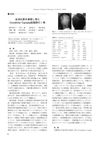 January 2014 in “Progress of Digestive Endoscopy”
 This case report describes a 60-year-old woman with Cronkhite-Canada syndrome whose symptoms and polyposis improved following prednisolone therapy, but emphasizes the need for periodic digestive tract screening due to associated cancer risks.
 September 2025 in “Frontiers in Genetics”
 This study developed a non-invasive, partially automated protocol for extracting high-quality DNA from hair follicles of marmosets, significantly reducing chimerism rates compared to blood, and proving reliable for whole genome sequencing in low-input DNA scenarios.
 December 2025 in “Journal of Food Innovation, Nutrition, and Environmental Sciences”
 This study evaluated the effects of sun drying and solar drying on Chaya leaves, finding that solar drying better preserves chlorophyll and phytochemicals while maintaining comparable nutritional quality to sun drying, suggesting its adoption could improve shelf life and maintain quality in areas without refrigeration.
51 citations
,
May 1996 in “American journal of physiology. Regulatory, integrative and comparative physiology/American journal of physiology. Regulatory, integrative, and comparative physiology” In this study, captive gray seals exhibited increased resting metabolic rates and elevated thyroid hormone levels during the final stage of molting, with more pronounced changes in juveniles.
April 2026 in “Zenodo (CERN European Organization for Nuclear Research)” This single observational study reported that a combination of a morning Detox Drink regimen and Malasana yoga practice improved symptoms of chronic constipation in a 37-year-old woman over seven days.
In this laboratory study, the methanolic extract of Eclipta alba demonstrated significant anthelmintic activity against earthworms (Pheretima posthuma), causing paralysis and death at doses of 50-100 mg/ml, with stronger effects observed at higher concentrations compared to the standard treatment, albendazole.
15 citations
,
January 1981 in “Neonatology” This study observed that changes in amino acid levels in milk correlate with developmental events in pouch young marsupials, notably around hair follicle development and homeothermy onset.
1 citations
,
November 1988 in “Veterinary Record” In this case study, oral folic acid therapy resulted in noticeable improvement and eventual recovery from hair loss and skin issues in a three-week-old Charolais calf.
 31 citations
,
April 2018 in “Royal Society open science”
31 citations
,
April 2018 in “Royal Society open science” This study found that mange-infected bare-nosed wombats have increased heat loss, higher metabolic rates, altered behavior, and disrupted fatty acid composition compared to healthy individuals.
 36 citations
,
January 2010 in “Human & experimental toxicology”
36 citations
,
January 2010 in “Human & experimental toxicology” This case report found that two women developed toxic selenium levels after consuming paradise nuts, resulting in symptoms like massive hair loss and nail discoloration.
 2 citations
,
June 2003 in “International Journal of Acarology”
2 citations
,
June 2003 in “International Journal of Acarology” This study describes a new mite species from marmots in a city park in Washington, noting that infested marmots displayed significant hair loss and tissue abnormalities.
This case study reports on an 86-year-old woman with a rectal bezoar causing intermittent intestinal obstruction and bleeding, highlighting the importance of considering bezoars in gastrointestinal bleeding diagnosis and removal.
 August 2024 in “Journal of the Association of Physicians of India”
 This study examined 1,992 patients at a hospital in India for signs of B12 deficiency and found common symptoms included hair loss, poor memory, and weakness. The study also reported that adding vitamin B12 powder to prepared food could improve blood levels of the vitamin.
June 2010 in “Journal of Cosmetic Dermatology” This article reviews the concept of caloric restriction and its potential anti-aging effects, highlighting animal studies and a human experiment in Biosphere II, but notes significant challenges for its application in humans.