 1 citations
,
May 2025 in “Natural Products and Bioprospecting”
1 citations
,
May 2025 in “Natural Products and Bioprospecting” In this study, PEVIII, a nanocomposite chitosan-coated vesicle containing both α-hederin and hederacoside C, demonstrated notable antibacterial activity against Pseudomonas aeruginosa in a keratitis model, showing significant lesion reduction, tissue improvement, and decreased bacterial load and inflammatory markers compared to other treatments.
 13 citations
,
May 2011 in “Bioorganic & Medicinal Chemistry”
13 citations
,
May 2011 in “Bioorganic & Medicinal Chemistry” This study identified certain benzopyran derivatives with a bulky tert-butyloxycarbonylamino group as effective KATP channel openers that inhibit insulin secretion in rat pancreatic islets.
2 citations
,
May 1985 in “Environmental Health Perspectives” This report examines the mechanisms by which TCDD affects human epidermal and carcinoma cells, aiming to create a risk assessment model for halogenated aromatic compounds, but presents no new clinical results.
18 citations
,
December 2005 in “Journal of Medicinal Chemistry” In this study, novel substituted benzoyl benzoic acids and phenylacetic acids were potent and selective inhibitors of human steroid 5alpha-reductase type 2, with one compound showing promising bioavailability in rats for potential clinical evaluation.
 17 citations
,
December 2004 in “Bioorganic & Medicinal Chemistry Letters”
17 citations
,
December 2004 in “Bioorganic & Medicinal Chemistry Letters” This study identified N-acyl arylsulfonamides, particularly N-(Boc-piperidine-4-carbonyl)-benzenesulfonamides, as steroid sulfatase inhibitors with improved cellular potency compared to previous compounds.
January 2004 in “Drug Development and Industrial Pharmacy” This study explored the solubility and crystal structure of GI197111X, a 5-alpha reductase inhibitor for androgenetic alopecia, finding its solubility in Capmul MCM suitable for a soft gel dosage form.
January 2015 in “Journals & Books Hosting (International Knowledge Sharing Platform)” This study synthesized and evaluated five 6-mercaptopurine derivatives for anticancer activity against three cancer cell lines, detailing the promising results of compound 1.
 February 2025 in “Processes”
 This study highlights the potential of chitosan nanoparticles to improve cannabidiol solubility and delivery for treating alopecia, suggesting a promising approach for transdermal delivery of hydrophobic compounds.
September 2025 in “Journal of Drug Delivery Science and Technology” Vitamin D3-coated nanoparticles effectively deliver caffeine for alopecia treatment with minimal side effects.
July 2026 in “bioRxiv (Cold Spring Harbor Laboratory)” In this study, researchers observed that TCDD exposure in mice enhanced sebaceous gland differentiation and lipid production before causing seboatrophy, providing insights into the cellular events that may contribute to chloracne pathogenesis.
 January 2022 in “Asian journal of Current Research in Clinical Cancer”
 This study reviews the potential of dibenzo derivatives as safer cancer treatments but finds conflicting evidence about their effectiveness, possibly due to structural differences among the compounds, and reports no new results.
 3 citations
,
March 2016 in “Phytotherapy Research”
3 citations
,
March 2016 in “Phytotherapy Research” In laboratory tests, this study found that a novel natural composition targeting 5-alpha reductase and inflammatory pathways reduced disease-related markers in androgenetic alopecia and benign prostatic hyperplasia more effectively than finasteride.
 33 citations
,
December 2023 in “Cell Death Discovery”
33 citations
,
December 2023 in “Cell Death Discovery” This study found that cepharanthine can inhibit gastric cancer cell activity by inducing oxidative stress and altering energy metabolism, suggesting its potential for gastric cancer treatment.
 May 2015 in “Cancer Research”
 This study found that a new treatment candidate may effectively prevent and promote recovery from chemotherapy-induced alopecia by normalizing apoptosis and reducing inflammation in cancer patients.
 March 2024 in “Organic letters”
 This study reports that difluoromethyl nitrile oxide can rapidly functionalize various alkenes at room temperature, leading to products that can transform into valuable medicinal chemistry building blocks like CF2H-isoxazolines for bioactive molecule modification.
 3 citations
,
July 2020 in “Synthetic and Systems Biotechnology”
3 citations
,
July 2020 in “Synthetic and Systems Biotechnology” This study found that the cytochrome P450 enzyme CYP-sb21 can hydroxylate cyclosporine A at multiple positions, reducing its immunosuppressive effects but retaining its hair growth-promoting side-effect, and suggests modifications to improve regioselectivity for commercial use.

This study found that 1′S-1′-acetoxychavicol acetate from Alpinia galanga inhibits Nox isozymes and suppresses testosterone-induced hair loss in a mouse model of androgenetic alopecia.
 45 citations
,
February 2005 in “Steroids”
45 citations
,
February 2005 in “Steroids” This study reported that certain newly synthesized steroidal derivatives showed stronger inhibitory activity against the 5α-reductase enzyme than finasteride in hamsters, suggesting their potential as enzyme inhibitors.
 June 2026 in “Acta Pharmacologica Sinica”
 This review highlights how integrating medicinal chemistry with delivery science could transform the limitations of PROTACs—such as poor solubility and low cell permeability—into strengths, potentially advancing these compounds from experimental stages to clinical applications by optimizing their delivery and enhancing therapeutic efficacy.
March 2003 in “Oncology Times” This review discusses preclinical and clinical chemoprevention research for several cancers, noting challenges in effectiveness and toxicity, and emphasizes the need for further trials.
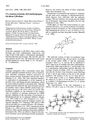 December 1998 in “Acta Crystallographica Section C-crystal Structure Communications”
 This study describes the molecular conformation and intermolecular interactions in the crystalline structure of the compound C24H31BrO4.
 60 citations
,
February 1997 in “Journal of Dermatological Science”
60 citations
,
February 1997 in “Journal of Dermatological Science” This study demonstrated that phosphatidylcholine liposomes can deliver calcein and melanin into hair follicles and shafts in mice without significant penetration into the dermis, epidermis, or bloodstream.
 233 citations
,
February 2018 in “Polymers”
233 citations
,
February 2018 in “Polymers” This review examines the roles and benefits of chitosan in cosmetics and oral hygiene, highlighting its potential in the cosmeceutical market, but it reports no new results.
 December 2023 in “Biointerface Research in Applied Chemistry”
 This study used molecular docking to identify stiripentol as a potential new inhibitor of the SRD5A2 enzyme, which is targeted for treating androgen-related diseases; however, in vivo trials are needed to validate its efficacy.
 3 citations
,
August 2019 in “Journal of The American Academy of Dermatology”
3 citations
,
August 2019 in “Journal of The American Academy of Dermatology” Clascoterone safely promotes hair growth similar to minoxidil.
180 citations
,
February 2023 in “Journal of Chemical Information and Modeling” In this paper, Chemistry42—a software integrating AI with computational and medicinal chemistry—demonstrated efficiency in designing novel molecular structures targeting DDR1 and CDK20, with properties validated in both in vitro and in vivo studies.
 2 citations
,
January 2022 in “Rasayan journal of Chemistry”
2 citations
,
January 2022 in “Rasayan journal of Chemistry” This study analyzed the affinity, stability, and pharmacokinetics of compounds from Sansevieria trifasciata, reporting that three compounds showed promising molecular docking results against the androgen receptor and satisfactory pharmacokinetic profiles, similar to minoxidil, in an in-silico setting.
 16 citations
,
August 2004 in “Tetrahedron”
16 citations
,
August 2004 in “Tetrahedron” In this study, all stereoisomers of cyoctol were synthesized and tested, revealing that contrary to initial patent claims, cyoctol does not function as an anti-androgen.
1 citations
,
January 2022 in “BioMed Research International” This study reported that solid lipid nanoparticles of finasteride decorated with chitosan enhanced drug retention in skin layers, suggesting potential application in treating androgenic alopecia and benign prostate hyperplasia with fewer side effects.
 1 citations
,
March 2012 in “Journal of Dermatological Science”
1 citations
,
March 2012 in “Journal of Dermatological Science” This study found that various steroids affected the mRNA expression of enzymes involved in lipid metabolism in hamster flank organs, with different impacts depending on the steroid and combination used.