Search
for
Sort by
Research
30-60 / 1000+ resultsresearch CD271 orchestrates skin structure, differentiation, and inflammation via PI3K/Akt and PKCα/ERK pathways
In this study, researchers developed two novel mouse models to investigate how CD271 deletion in keratinocytes affects skin homeostasis, finding that it leads to changes resembling dysplastic skin conditions with immune cell recruitment and inflammatory cytokine release.
research Dermal EZH2 orchestrates dermal differentiation and epidermal proliferation during murine skin development
This study found that dermal EZH2 plays a crucial role in controlling fibroblast differentiation by regulating Wnt/β-catenin and retinoic acid signaling during skin development.

research Gene Expression Profiling of the Intact Dermal Sheath Cup of Human Hair Follicles
In this study, researchers identified gremilin-2 as a highly specific gene to the dermal sheath cup, suggesting it plays a key role in maintaining its properties.
research Patterns of desmocollin synthesis in human epithelia: immunolocalization of desmocollins 1 and 3 in special epithelia and in cultured cells.
This study demonstrated that murine monoclonal antibodies can reveal specific patterns of desmosomal cadherin expression, Dsc1 and Dsc3, in human tissues and cultured cells using immunofluorescence microscopy.

research 312 CRISPR/Cas9-based targeted genome editing for correction of recessive dystrophic epidermolysis bullosa using iPS cells
In this study, researchers used a CRISPR-based method to correct mutations in the COL7A1 gene in stem cells from RDEB patients, restoring normal collagen expression in engineered skin grafts in mice.
research The role of Glucosylceramides in Keratinocyte Differentiation and Epidermal Barrier Function
This study observed that inducible deletion of the Ugcg gene in mouse epidermis led to a significant reduction in GlcCers and epidermal POS-Cers, causing impaired skin barrier function and delayed wound healing.
research Targeted Knockout of β-Catenin in Adult Melanocyte Stem Cells Using a Mouse Line, Dct::CreERT2, Results in Disrupted Stem Cell Renewal and Pigmentation Defects
This study established that the Dct::CreERT2 mouse line is effective for targeting and studying adult melanocyte stem cells, contributing to the understanding of melanocyte biology and hair pigmentation.
research Corneodesmosin: Structure, Function and Involvement in Pathophysiology
This review discusses the development and role of corneodesmosin in skin and hair follicle integrity, highlighting findings from mouse models and its connection to genetic diseases, with no new experimental results included.
research Dedicator of Cytokinesis 5 Regulates Keratinocyte Function and Promotes Diabetic Wound Healing
This study found that Dock5 plays a crucial role in keratinocyte function and wound healing, with its expression reduced in diabetic models but improving healing when restored.

research Dercum Disease: Exploratory Therapeutic Approaches in the Absence of Standardized Medical Treatment—A Single Center Case Series
In this retrospective case series, therapeutic responses to immunomodulatory and incretin-based therapies for Dercum's disease showed considerable individual variation, suggesting these treatments might be exploratory options when surgery isn't feasible, though further controlled studies are needed for definitive conclusions.
research A University Center for the Performing Arts
This case report describes a 54-year-old woman with familial dyskeratotic comedones who experienced slight improvement in her skin lesions after three months of treatment with topical retinoids and urea cream.
research Corneodesmosin gene ablation induces lethal skin-barrier disruption and hair-follicle degeneration related to desmosome dysfunction
The researchers found that corneodesmosin is crucial for maintaining skin barrier integrity and hair follicle architecture in mice, with its deletion leading to severe skin and hair abnormalities.

research Cell Density-Dependent Upregulation of PDCD4 in Keratinocytes and Its Implications for Epidermal Homeostasis and Repair
This study suggests that PDCD4 regulates keratinocyte proliferation and contact inhibition, playing a role in epidermal homeostasis and wound healing.
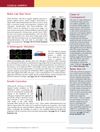
research Clinical Snippets
This article in Experimental Dermatology does not include an abstract or any new research findings.
research DcR3 reprograms macrophage plasticity to promote wound healing and hair regeneration
This study suggests that DcR3 can reprogram macrophages towards a reparative state, enhancing wound healing and hair follicle regeneration, making it a potential target for treating chronic wounds and alopecia.
research Familial Dyskeratotic Comedones: A Case Report and Literature Review
In this report, a 54-year-old woman with familial dyskeratotic comedones showed slight improvement in skin lesions after topical retinoids and urea cream. This source also describes the first dermoscopic findings for this condition and reviews 21 previous cases.
research Dermatopathia pigmentosa reticularis: A rare reticulate pigmentary disorder
This case report details a 21-year-old woman with dermatopathia pigmentosa reticularis, presenting with generalized reticulate hyperpigmentation, diffuse noncicatricial alopecia, onychodystrophy, palmoplantar keratoderma, and poorly developed dermatoglyphics.
research Coactivator MED1 Ablation in Keratinocytes Results in Hair-Cycling Defects and Epidermal Alterations
This study reported that deleting the MED1 subunit from the MED complex in keratinocytes resulted in disrupted hair differentiation and cycling, leading to hair loss in mice.
research Combined Deletion of the Vitamin D Receptor and Calcium-Sensing Receptor Delays Wound Re-epithelialization
In this study, the researchers found that vitamin D and calcium signaling in keratinocytes are essential for normal skin regeneration after wounding, with deficiencies significantly delaying wound closure and re-epithelialization in mice.
research 732 Ceramide synthase 4 controls epidermal lipid composition and barrier function
This study found that inactivating CerS4 in mouse epidermis disrupts lipid homeostasis and is crucial for maintaining, but not forming, the skin barrier.
research TERMIS ‐ AMERICAS Toronto, Ontario, Canada July 10–13, 2022
This study observed that using ex vivo gene therapy to modify skin cells in a pre-graft model improved dermal-epidermal junction adhesion strength and maintained collagen production over time, suggesting a potential treatment approach for recessive dystrophic epidermolysis bullosa skin wounds.
research 169 TEDAR, a skin-specific long non-coding RNA, orchestrates the late epidermal differentiation program in the human epidermis
TEDAR is crucial for skin cell differentiation and barrier formation.
research Biochemical features of primary cells from a pediatric patient with a gain-of-function ODC1 genetic mutation
This study identified a heterozygous de novo mutation in the ODC1 gene causing a new disorder characterized by overgrowth and developmental delay, and suggests that DFMO treatment may help manage elevated ODC activity and putrescine levels.

research Autologous Cell Therapy for Aged Human Skin: A Randomized, Placebo-Controlled, Phase-I Study
This study found that RCS-01 cell therapy for aged skin was well tolerated and associated with increased gene expression related to extracellular matrix homeostasis, suggesting potential skin improvement.
research CD200-Mediated Regulation of Skin Immunity
research Expression of CD1d in human scalp skin and hair follicles: hair cycle related alterations
This study found that CD1d is strongly expressed in human scalp skin and hair follicles, particularly in the anagen phase, suggesting a role in scalp immunology and potential implications for hair disorder treatment.
research 1358 PRC1 fine-tunes gene repression and activation to safeguard skin epithelium development and stem cell specification
This study found that Polycomb repressive complex 1 is crucial for skin development and stem cell specification, influencing gene activity beyond its known repressor functions.
research 852 Targeted deletion of crif1 in mouse skin epidermis impairs skin homeostasis
Deleting Crif1 in mouse skin disrupts skin balance and hair growth.

research Dermal EZH2 simultaneously orchestrates dermal differentiation and epidermal proliferation during murine skin development
The study found that dermal EZH2 plays a crucial role in coordinating dermal fibroblast differentiation and epidermal development by modulating Wnt/β-catenin and retinoic acid signaling.