 April 2018 in “Journal of Investigative Dermatology”
 This study found that Basonuclin 1 knockdown in human primary keratinocytes significantly reduces cell proliferation and affects migration, indicating its role in coordinating the re-epithelization phase of wound healing.
 January 2024 in “LA Referencia (Red Federada de Repositorios Institucionales de Publicaciones Científicas)”
 This study found that Carbon Quantum Dots effectively detected and quantified Co²⁺ ions and methylcobalamin in tap water with high sensitivity and recovery rates between 95% and 105%.
 93 citations
,
May 2010 in “European Journal of Cancer”
93 citations
,
May 2010 in “European Journal of Cancer” This phase II trial found that BI 2536 demonstrated limited antitumor activity across five solid tumor types, with no confirmed objective responses observed.
1 citations
,
February 2023 in “Plants” This study reported that rice bran oil from the Thai rice variety BB4CMU showed potential in promoting melanin production and inhibiting steroid 5α-reductase, suggesting a natural option for hair revitalization.
May 2019 in “Journal of clinical oncology” This Phase 1 study reported that topical application of BPM31543 was safe and well-tolerated in patients receiving taxane-based chemotherapy, with some experiencing less than 50% hair loss, suggesting potential efficacy in reducing chemotherapy-induced alopecia, although no maximum tolerated dose was identified.
 September 2022 in “Frontiers in genetics”
 This case study reports a new LAMB3 mutation linked to junctional epidermolysis bullosa with severe urinary tract stenosis, outlining treatment challenges and expanding knowledge of EB-related urological complications.
11 citations
,
December 2020 in “G3 Genes Genomes Genetics” This study confirmed that chi-miR-130b-3p regulates the proliferation of epithelial cells and dermal fibroblasts by targeting the WNT10A gene, which may help maintain hair follicle structure.
February 2017 in “Cancer Research” In this study involving women undergoing taxane-based chemotherapy, a twice-daily topical application of BPM31543 was well-tolerated and showed potential in reducing severe hair loss, prompting further investigation at higher doses.
 August 2019 in “Journal of Invertebrate Pathology”
 This study observed that different alkaline buffers had a significant impact on the volume of liquid consumed by fall armyworm larvae, emphasizing the importance of measuring imbibed volumes to reduce dose errors in bioassays.
32 citations
,
September 2013 in “Breast cancer research” This study identified a specific SNP in the CACNB4 gene associated with a higher risk of chemotherapy-induced alopecia in breast cancer patients, which may help develop interventions to improve their quality of life.
44 citations
,
June 2015 in “British Journal of Pharmacology” This study found that betulinic acid inhibits hepatitis C virus replication by suppressing the NF-κB- and ERK1/2-mediated COX-2 pathway, suggesting its potential as a therapeutic supplement.
 September 2018 in “Epsilon Archive for Student Projects (University of Southampton)”
 This study found that treatment with Bacillus amyloliquefaciens UCMB5113 significantly increased root hair growth in half of the tested Arabidopsis thaliana accessions.
 7 citations
,
January 2022 in “Plants”
7 citations
,
January 2022 in “Plants” This study found that extracts from the rice variety Bue Bang 3 CMU, particularly the husk and bran, demonstrated antioxidant, anti-inflammatory, and anti-androgenic properties, suggesting potential use in treating androgenetic alopecia.
 October 2022 in “Journal of ophthalmology”
 This review discusses the implementation and mechanisms of photobiomodulation therapy in various medical fields, including ophthalmology, and reports no new clinical results.
8 citations
,
January 2024 in “Regenerative Biomaterials” This study found that a novel bioceramic/alginate hydrogel with photothermal properties and multiple ion release effectively reduces infection and inflammation, and enhances osseointegration in early-stage peri-implant lesions, potentially improving dental implant survival rates.
60 citations
,
October 2020 in “Nature Communications” This study found that small molecule AP-1 inhibitors may selectively target SMO inhibitor-resistant basal cell carcinoma cells characterized by specific markers, potentially enhancing combinatorial cancer therapies.
55 citations
,
November 2010 in “Journal of Allergy and Clinical Immunology” This study found that the TLR3 L412F genetic variant is associated with severe viral infections, especially CMV, and immune dysfunction in a subgroup of chronic mucocutaneous candidiasis patients.
 July 2005 in “SKINmed/Skinmed”
 This study reported that BRL 7660 significantly reduced sebum secretion and acne symptoms in human studies with topical administration, but the placebo effect and commercial pressures halted further investigations.
July 2022 in “British Journal of Dermatology”  101 citations
,
November 2011 in “Nature Communications”
101 citations
,
November 2011 in “Nature Communications” Wnt/β-catenin signaling is crucial for cell fusion in placental development.
 58 citations
,
January 2003 in “Biological & Pharmaceutical Bulletin”
58 citations
,
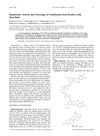
January 2003 in “Biological & Pharmaceutical Bulletin” This study identified novel compounds from Bombax ceiba stem bark, including shamimicin, with potent hypotensive effects, and reported that a specific fraction had adverse effects on heart, liver, and kidneys in mice.
 21 citations
,
January 2018 in “Anticancer Research”
21 citations
,
January 2018 in “Anticancer Research” This study suggests that NBCCS and BFHS may be the same genetic condition, which could help improve identification and management of misdiagnosed cases with specific surveillance strategies.
 1 citations
,
November 2001 in “Acc Current Journal Review”
1 citations
,
November 2001 in “Acc Current Journal Review” This review found that 5α‐reductase inhibitors were associated with slightly increased rates of decreased libido, erectile and ejaculatory dysfunction, gynecomastia, and mood disorders compared to placebo, though their long-term effects remain unclear.
 January 2026 in “Journal of Hard Tissue Biology”
 This study found that red LED photobiomodulation significantly enhanced both the metabolic activity and proliferation of human placenta-derived pericytes, alongside increased expression of angiogenic markers, suggesting a potential non-invasive approach to aid tissue repair and vascular regeneration.
September 2026 in “Angewandte Chemie” In this research, SEU-302, a newly developed covalent organic framework, exhibited significant antibacterial and wound-healing properties in vitro and in vivo, effectively eliminating Staphylococcus aureus and reducing inflammation under light activation, thereby showcasing its potential for therapeutic photodynamic applications.
 1 citations
,
March 2024 in “Brain Imaging and Stimulation”
1 citations
,
March 2024 in “Brain Imaging and Stimulation” This study reported that a 3D-printed LED photobiomodulation device is technically and financially feasible, but requires further experimental and clinical testing before being used in human healthcare.
7 citations
,
March 2022 in “The FASEB journal” This study observed that mice with a whole-body deficiency of Cystathionine-β-synthase developed severe hyperhomocysteinemia and related mild symptoms without increased mortality, indicating HHCy may not directly cause end organ damage.
 March 2014 in “Journal of The American Academy of Dermatology”
 Cortexolone 17a-propionate may be an effective new treatment for hair loss.
2 citations
,
May 2016 in “Journal of Clinical Oncology” This study found that topical BPM31543 was safe, tolerable, and showed potential to reduce chemotherapy-induced alopecia at higher dosing levels among adult women with cancer receiving taxane-based chemotherapy.
76 citations
,
January 1998 in “Mammalian Genome”