November 2022 in “Journal of Investigative Dermatology” This study reported that an HS-associated NCSTN mutation in iPSC-derived skin organoids led to altered hair follicle stem cell differentiation and increased expression of proteins linked to HS inflammation.
May 2025 in “OPAL (Open@LaTrobe) (La Trobe University)” This study found that tofacitinib may inhibit CD8+ T cell infiltration in alopecia areata by affecting the linoleic acid metabolism-Mg2+ pathway in a sodium sulfide-induced mouse model, highlighting new insights for clinical diagnosis and treatment strategies.
December 2021 in “Figshare” This study suggests that BBS7 is crucial for maintaining Sonic hedgehog signaling activity, which is important for periodontal ligament homeostasis under occlusal hypofunction conditions.
46 citations
,
April 1987 in “Brain Research” This study suggests that hair-follicle afferent axons can be presynaptically inhibited by boutons containing the enzyme glutamic acid decarboxylase, which is linked to the synthesis of γ-aminobutyric acid.
1 citations
,
November 2018 in “immuneACCESS” This study found that in alopecia areata, treatment with the oral JAK-inhibitor tofacitinib decreased clonally expanded CD8⁺ T cells in the scalp, but many expanded clones did not completely disappear, potentially leading to relapse after stopping treatment.
1 citations
,
October 2023 in “PROTOPLASMA” 1 citations
,
January 2023 in “eCite Digital Repository (University of Tasmania)” This study suggests that the differences in aluminium tolerance between ET8 and ES8 wheat cultivars are linked to a complex suite of physiological mechanisms, including variations in malate and K+ release, Ca2+ homeostasis, and SV channel properties, rather than solely malate efflux.
 120 citations
,
August 2008 in “The journal of investigative dermatology/Journal of investigative dermatology”
120 citations
,
August 2008 in “The journal of investigative dermatology/Journal of investigative dermatology” This study found that C8/144B antibody exclusively binds to the hair follicle bulge and not the epidermal stratum basale, with cytokeratin 19 serving as a key marker of certain basal keratinocytes that decrease with age.
May 2025 in “OPAL (Open@LaTrobe) (La Trobe University)” The researchers reported that in a mouse model of alopecia areata, tofacitinib treatment influenced disease progression by modulating CD8+ T cell infiltration through the linoleic acid metabolism and magnesium ion pathway, offering insights into potential treatment approaches.
 32 citations
,
June 2012 in “PLoS ONE”
32 citations
,
June 2012 in “PLoS ONE” This study found that locally injected zalutumumab in healthy volunteers induced a papulopustular rash similar to systemic EGFR inhibitors, and that IL-8 inhibition reduced this dermatological side effect.
September 2023 in “Journal of the American Academy of Dermatology” 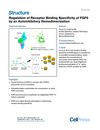 24 citations
,
July 2017 in “Structure”
24 citations
,
July 2017 in “Structure” In this study, researchers found that ligand homodimerization controls the receptor binding specificity of the FGF9 subfamily, preventing off-target activation of FGFR "b" isoforms.
 April 2026 in “Zenodo (CERN European Organization for Nuclear Research)”
 This research presents the Dodatek A model, elaborating on androgen function through new mathematical indices and methodological improvements, shifting focus from serum hormone concentrations to system interactions to better describe androgen activity comprehensively.
48 citations
,
June 2000 in “Japanese Journal of Cancer Research” This study found that dimethylarsinic acid significantly accelerates skin tumor development in hair follicle-targeted K6/ODC transgenic mice.
January 2014 in “China Feed” This study found that a higher relative expression of the keratin associated protein 8.1 gene in Liaoning cashmere goats' skin and hair follicles was associated with thinner cashmere fiber.
252 citations
,
March 1998 in “Developmental dynamics” This study suggests that fibroblast growth factors FGF-4, FGF-8, and FGF-9 may play redundant roles as signals in epithelial-mesenchymal interactions during multiple stages of tooth development in mice.
2 citations
,
September 2018 in “JAAD case reports” This report describes a rare case of folliculotropic and syringotropic CD8 mycosis fungoides with unusual widespread mucosal involvement.

This study in a nine-year-old boy from Lebanon identified a gene mutation (c.1066dup p.(Arg356Profs*16)) associated with a rare inborn error of immunity, characterized by craniosynostosis, jaundice, and several other symptoms, expanding the known genotypic and phenotypic spectrum of this condition.
15 citations
,
August 2019 in “F1000Research” This review discusses the physiological roles of anthrax toxin receptors CMG2 and TEM8, highlighting their influence on extracellular matrix homeostasis, angiogenesis, cell migration, and skin elasticity, and reports no new clinical results.
2 citations
,
January 2020 in “Benha Journal of Applied Sciences” This study found that serum 8-Hydroxydeoxyguanosine levels were significantly higher in alopecia areata patients compared to healthy controls, suggesting its potential as a diagnostic and prognostic biomarker for the condition.
February 2026 in “ACS Applied Materials & Interfaces” This study developed a novel treatment method using carbon dots from Cinnamomum burmannii leaves, which improved hair regeneration and thickness in an AGA mouse model by promoting cell proliferation, angiogenesis, and reducing inflammation through multiple signaling pathways.
 62 citations
,
April 2008 in “Neurobiology of aging”
62 citations
,
April 2008 in “Neurobiology of aging” This study identified a new genetic locus, ahl4, on distal Chromosome 10 that contributes to the early-onset, severe hearing loss in A/J mice compared to B6 mice.
1 citations
,
July 2024 in “Clinical Case Reports” This case report documents an 8-year-old with tinea capitis, successfully treated with Terbinafine over 8 weeks, highlighting the importance of accurate diagnosis and timely intervention to prevent complications and recurrence.
January 2014 in “China Animal Husbandry & Veterinary Medicine” In this study, researchers observed that the KAP8-1 gene influences skin and hair follicle development and wool quality with varying expression levels in different Ovis aries crossbred varieties.
December 2021 in “Figshare” This study found that BBS7 is important for Sonic hedgehog signaling activity, which may be crucial for maintaining periodontal ligament homeostasis in occlusal hypofunction.
24 citations
,
February 2011 in “The American journal of pathology” This study found that AIRE, a usually nuclear protein, is expressed in the cytoplasm of human epidermal and follicular keratinocytes and associates with the intermediate filament protein cytokeratin 17, potentially impacting ectodermal abnormalities in APECED syndrome.
18 citations
,
February 2017 in “Molecular Medicine Reports” This study found that the Notch signaling pathway is suppressed in basal cell carcinomas and highly expressed in hair follicles, suggesting it might be a target for treatment strategies.
25 citations
,
June 2017 in “Journal of Investigative Dermatology” This study found that in a transgenic mouse model, β-HPV infection led to increased skin thickness and proliferation of specific keratinocyte stem cells, which may contribute to squamous cell carcinoma development.
17 citations
,
January 2010 in “PubMed” CD10 helps distinguish between basal cell carcinoma and benign hair follicle tumors.
December 2021 in “OPAL (Open@LaTrobe) (La Trobe University)” This study found that BBS7 is crucial for maintaining Sonic hedgehog signaling activity and periodontal ligament homeostasis, with changes in gene expression observed in occlusal hypofunctional PDL.