August 2010 in “The Journal of urology/The journal of urology” This article discusses the potential role of dutasteride in prostate cancer prevention, examining its effects on risk, but does not report new clinical findings.
 April 2010 in “The Journal of Urology”
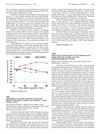
 Human prostate cells produce more WISP1/CCN4 when there's not enough oxygen.
 April 2010 in “The Journal of Urology”
 This study found that ureteroileal anastomosis with direct intraluminal visualization had a 4.2% stricture rate, which compares favorably to other techniques with rates between 3.5% and 11.1%.
March 2010 in “The Journal of Urology” This study demonstrated that methylation of the 5-alpha reductase type 2 (5-AR2) promoter is linked to reduced expression of the 5-AR2 protein, possibly explaining resistance to Finasteride in some BPH patients.
March 2009 in “The Journal of Urology” This article discusses historical aspects of gender development, particularly related to the discovery of finasteride, and reports no new clinical results.
December 2008 in “The Journal of Urology” This paper discusses socioeconomic factors affecting urological epidemiology and practice patterns but reports no new research findings.
December 2008 in “The Journal of Urology” This article discusses various studies in urology and reports no new research findings.
 October 2008 in “The Journal of Urology”
 This article discusses the role of 5-alpha-reductase inhibitors in prostate cancer prevention and highlights a medical quandary, but it reports no new clinical findings.
October 2008 in “The Journal of Urology” This editorial comment in the Journal of Urology reviews various studies related to prostate cancer and therapies but reports no new research findings.
 June 2008 in “The Journal of Urology”
 This letter to the editor discusses the relationship between lower urinary tract symptoms and erectile dysfunction as reported in a previous study, but presents no new findings.
November 2007 in “The Journal of Urology” This editorial comments on long-term treatment options for benign prostatic hyperplasia but reports no new research findings.
September 2007 in “The Journal of Urology” This editorial comment discusses combination therapy for benign prostatic hyperplasia but presents no new research findings.
 May 2007 in “The Journal of Urology”
 Finasteride lowers PSA levels in men, certain factors increase testicular cancer risk, and current guidelines for penile cancer may lead to unnecessary surgeries.
April 2007 in “The Journal of Urology” Finasteride reduces bleeding risk during prostate surgery.
August 2006 in “The Journal of Urology” This editorial comment discusses the rationale and design of the REDUCE trial for prostate cancer chemoprevention and reports no new research findings.
June 2006 in “The Journal of Urology” This editorial comment references research on finasteride's effects on urinary retention and surgical needs in benign prostatic hyperplasia but reports no new findings.
April 2006 in “The Journal of Urology” This study investigates the potential influence of genetic variations in the 5α-reductase type 2 gene on the effectiveness of finasteride treatment for benign prostatic hyperplasia, but it reports no new clinical results.
 November 2005 in “The Journal of Urology”
 This paper discusses the effect of dutasteride on prostate cancer detection in men with benign prostatic hyperplasia but provides no new clinical results.
November 2005 in “The Journal of Urology” This erratum addresses the long-term effects of finasteride on prostate-specific antigen levels but reports no new research findings.
April 2005 in “The Journal of urology/The journal of urology” Dutasteride may help treat prostate cancer by causing cancer cells to shrink and die.
April 2005 in “The Journal of Urology” This study reviews three years of experience using Finasteride to treat recurrent priapism in sickle cell anemia and reports no new research findings.
 October 1999 in “The Journal of Urology”
 This article discusses developments in clinical urology featured in the Journal of Urology's October 1999 issue and presents no new clinical findings.
 April 2012 in “The Journal of Urology”
 This case-control study found that men with earlier onset androgenetic alopecia, particularly frontal balding, may have an increased risk of prostate cancer in a multiethnic veterans cohort.
March 2023 in “The Journal of Urology” This study observed that despite the increase in nocturia cases from 2016 to 2021, the use of pharmacotherapy for the condition declined, suggesting potential undertreatment.
November 2022 in “The Journal of Urology” This study suggests that adopting the Mark Cuban Cost Plus Drug Company model for purchasing urological medications could have saved Medicare about $1.29 billion in 2020.
April 2022 in “Urology Practice” This study found that sociodemographic factors influence the likelihood of recurrent urinary retention episodes and the decision to undergo bladder outlet procedures, with only 6.4% of patients receiving such procedures despite their potential cost benefits.
April 2022 in “The Journal of Urology” In this study, men with persistent sexual dysfunction after stopping finasteride showed significant vascular, neurologic, and hormonal abnormalities, with severe erectile dysfunction being common.
August 2021 in “The Journal of Urology” This study found a significant association between finasteride use and reports of sexual dysfunction, particularly greater in young men using it for alopecia compared to older BPH patients.
September 2018 in “The Journal of Urology” This review discusses FAERS data on 5-alpha reductase inhibitors and their potential implications for post-finasteride syndrome, but it does not report any new clinical results.
 April 2017 in “The Journal of Urology”
 This study found that patients with BPH who received finasteride before TURP experienced reduced intraoperative blood loss and improved quality of life one month after surgery compared to those who did not.