January 2026 in “Zenodo (CERN European Organization for Nuclear Research)” This document promotes a 25% discount using the code AVA25 on Erthwellness's natural health supplements, detailing how to apply the code and the benefits of their products, with no new research findings reported.
This creative piece by Christa Fairbrother poetically explores the experiences of living with arthritis, with no new research findings reported.
 December 2022 in “International Journal of Women's Dermatology”
 This study reported that using the Sinclair Shedding Scale and intralesional corticosteroid injections may help diagnose and manage alopecia areata incognita in women experiencing excessive hair shedding without clear diagnostic indicators.
December 2024 in “Journal of Maxillofacial and Oral Surgery” 
This report describes the 2024 American Academy of Dermatology Annual Meeting in San Diego, notable for attracting nearly 20,000 attendees with 339 sessions covering a wide range of dermatological topics, making it potentially the largest dermatology meeting by attendance.
 2 citations
,
November 2011 in “Journal of Infection”
2 citations
,
November 2011 in “Journal of Infection” This case study presents an asthma patient with H1N1 pneumonia who developed invasive Aspergillosis despite avoiding steroids, suggesting that factors other than steroid use can contribute to IA in such patients.
 2 citations
,
June 2016 in “Journal of Korean Medicine”
2 citations
,
June 2016 in “Journal of Korean Medicine” This study found that low concentrations of Asiasarum heterotropoides extract may enhance proliferation of human mesenchymal stem cells from periodontal tissue without affecting cell morphology.
65 citations
,
April 2018 in “Oncotarget” This review discusses the potential carcinogenic effects of anabolic androgenic steroids, particularly regarding Leydig cell tumors, and highlights the need for preventive information campaigns due to associated health risks.
 33 citations
,
December 2005 in “Archives of dermatology”
33 citations
,
December 2005 in “Archives of dermatology” This study presents case reports of four patients with alopecia areata or alopecia universalis, highlighting varied responses to treatments like prednisone, intralesional triamcinolone, and squaric acid dibutyl ester.
July 2014 in “Americanae (AECID Library)” This study found that extracts from Tridax procumbens and Ouratea spectabilis reduced seed germination and inhibited root and hypocotyl growth in lettuce, indicating potential allelopathic effects.
June 1985 in “Journal of the American Academy of Dermatology” 
In this study involving 30 Kazakh women with systemic lupus erythematosus, the researchers found a strong correlation between disease activity (SELENA-SLEDAI scores) and organ damage (SLICC/ACR scores), which depended on disease duration and reliably reflected cumulative disease activity.
 3 citations
,
January 2018 in “İstanbul Kuzey Klinikleri”
3 citations
,
January 2018 in “İstanbul Kuzey Klinikleri” This study found that 37.4% of high-school students in rural Eskisehir had alopecia, with affected students experiencing poorer health-related quality of life, particularly in general health perception, vitality, and mental health.
 2 citations
,
August 2019 in “BMC Complementary and Alternative Medicine”
2 citations
,
August 2019 in “BMC Complementary and Alternative Medicine” This study found that ethanolic asiasari radix extract may induce apoptosis in G361 melanoma cells through ROS-dependent regulation of p53, suggesting potential as a medicinal option for melanoma.
August 2023 in “Clinical and Experimental Dermatology” This study evaluated online resources for alopecia areata patients and highlighted the value of directing them to Alopecia UK, National Alopecia Areata Foundation, and Health Talk for psychological support.

This study found a significant positive association between higher air quality index values and the incidence of alopecia areata, with a clear dose-response relationship observed among the participants.
 May 2026 in “AAPS PharmSciTech”
 This study found that PEGylated LUT-Aspasomes significantly improved neuroprotective effects in stressed rats, enhancing spatial memory, reducing depressive-like behavior, and preserving hippocampal architecture better than free luteolin. Additionally, it increased brain delivery and stability, suggesting potential for treating stress-related neurobehavioral disorders.
6 citations
,
July 2013 in “JAMA dermatology” This study explores how children perceive peers with alopecia areata and the social effects associated with the condition, but it reports no new experimental findings.
19 citations
,
April 2017 in “Synapse” This study suggests that the neurosteroid allopregnanolone contributes to stress resistance in mice, and the ALLO mimetic drug alfaxalone may offer anxiolytic benefits without muscle-relaxant effects.
 May 2023 in “Scientific Reports”
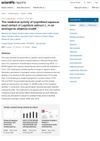
 This study found that Lepidium sativum seed extract showed potential in treating alopecia in rats by reducing 5(alpha)-dihydrotestosterone levels and improving hair length compared to minoxidil.
1 citations
,
January 2026 in “International Journal of Dermatology” The BEARD Score helps assess beard hair loss in alopecia areata for better treatment.
14 citations
,
June 2009 in “Journal of veterinary internal medicine” This study describes presumed albendazole toxicosis in alpacas, suggesting that repeated doses as low as 19 mg/kg can lead to severe neutropenia, enteropathy, and potentially death in this species.
 March 2017 in “Iraqi Journal of Pharmaceutical Sciences”
 This study found that Iraqi male bodybuilders abusing anabolic androgenic steroids experienced significant changes in sex hormones, liver and kidney function, and lipid profiles compared to non-AAS-using controls.
 95 citations
,
July 2016 in “Journal of The American Academy of Dermatology”
95 citations
,
July 2016 in “Journal of The American Academy of Dermatology” This review concluded that patients with alopecia areata consistently show poor health-related quality of life scores, similar to those in other chronic skin diseases like atopic dermatitis and psoriasis.
1 citations
,
July 2025 in “Functional Foods in Health and Disease” This study found that supplementation with CL22209, a standardized Asparagus racemosus root extract, significantly reduced menopausal symptoms and improved hormonal regulation among early perimenopausal women, with notable improvements in vasomotor and menstrual symptoms compared to placebo, while being safe and well-tolerated over 120 days.
July 2023 in “Journal of the American Academy of Dermatology” This study found significant differences in enrollment and completion rates among racial and ethnic groups in alopecia areata clinical trials, with Black patients showing lower enrollment and higher dropout rates compared to other groups.
This literature review analyzes existing studies on breast cancer management and underscores the need for improved psychological support throughout diagnosis, treatment, and remission.
January 2024 in “Elsevier eBooks”  November 2025 in “SKIN The Journal of Cutaneous Medicine”
 In this phase 3 trial, baricitinib showed effectiveness and safety in both adolescents and adults with severe alopecia areata, with adolescents achieving higher response rates despite more severe baseline conditions, suggesting the advantages of early treatment.
 June 2026 in “International Journal of Molecular Sciences”
 This study found that shallot (Allium ascalonicum) extracts reduced oxidative stress in human nasal epithelial cells caused by PAH exposure by decreasing ROS generation, suppressing lipid peroxidation, and restoring SOD activity, with quercetin being a key antioxidant component.