 January 2026 in “International Journal of Current Research and Review”
 This review of Adiantum capillus-veneris highlights its traditional medicinal uses, rich phytochemical profile, and broad range of pharmacological activities, but emphasizes the need for more research to validate and expand its therapeutic applications.
 December 2025 in “Journal of Food Innovation, Nutrition, and Environmental Sciences”
 This study evaluated the effects of sun drying and solar drying on Chaya leaves, finding that solar drying better preserves chlorophyll and phytochemicals while maintaining comparable nutritional quality to sun drying, suggesting its adoption could improve shelf life and maintain quality in areas without refrigeration.
 June 2025 in “INTERANTIONAL JOURNAL OF SCIENTIFIC RESEARCH IN ENGINEERING AND MANAGEMENT”
 This study assessed a herbal dry shampoo comprising natural ingredients like Shikakai and Reetha, finding it effectively passed physicochemical tests but highlighted the need for more research to optimize product quality and safety.
 March 2025 in “Journal of Environmental Science and Engineering B”
 This study analyzed soil, water, and carrot samples in Vietnam, and found that organic farming can reduce heavy metal levels in carrots compared to conventional methods, potentially improving their nutritional safety.

This study utilized polarized light microscopy to examine hair shafts in ten children with rare genetic disorders, such as Netherton syndrome and ectodermal dysplasia, providing valuable diagnostic insights into hair thickness, composition, and structural irregularities associated with these conditions.
 December 2024 in “International Journal of Advanced Research in Science Communication and Technology”
 In this study, researchers prepared a herbal hair tonic using virgin coconut oil and nine herbs, evaluating its antibacterial, antifungal activities, and benefits for hair strength, with variations in ingredient concentrations and analyses for consistency and appearance.
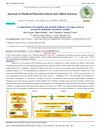 June 2024 in “Journal of medical pharmaceutical and allied sciences”
 In this study, researchers observed that Pectin from Nagpuri oranges significantly increased colony counts of probiotic bacteria like L. acidophilus and L. plantarum both in vitro and in vivo, suggesting potential use as a prebiotic or synbiotic in nutraceutical formulations.
 January 2024 in “International Journal of Environment Agriculture and Biotechnology”
 In this study, organic garlic was found to have higher levels of bioactive elements and stronger antimicrobial properties compared to chemically grown garlic, highlighting the benefits of organic cultivation for enhancing garlic's nutritional and health-promoting qualities.
 September 2023 in “Biology of reproduction”
 This study suggests that the testosterone analogs 7α-Methyltestosterone and 7α-Ethyltestosterone may offer promising androgenic, progestogenic, and anabolic properties for development as male contraceptives.
 February 2020 in “International Journal of Advanced Research”
 This article discusses the development of a Garcinia Cambogia enriched snack intended for managing PCOS but reports no new clinical results.
 January 2020 in “Cosmetics”
 This study found that Ecklonia cava extract increased skin hydration and decreased redness, suggesting potential benefits for protecting and repairing scalp skin from pollutant-induced damage.
 December 2019 in “University of Malaya Students Repository”
 This study found that Soxhlet extraction is more effective at removing the toxin mimosine from Leucaena leucocephala, and mimosine shows promise as a biodiesel additive due to its antioxidative properties.
 113 citations
,
July 2020 in “Communications biology”
113 citations
,
July 2020 in “Communications biology” This review suggests that understanding the biological and molecular reasons for more severe COVID-19 in men, particularly those at risk for prostate cancer, could improve management of these patients, but reports no new results.
 3 citations
,
March 2021 in “International journal of pharmaceutical sciences review and research”
3 citations
,
March 2021 in “International journal of pharmaceutical sciences review and research” This review discusses the chemical constituents and diverse pharmacological activities of Glycyrrhiza glabra (liquorice) but reports no new clinical results, emphasizing its potential for developing new therapeutic formulations.
 May 2026 in “International Journal of Drug Delivery Technology”
 This study investigated a herbal extract combining Emblica officinalis with 2% minoxidil solution for hair growth and found it significantly enhanced follicular size and prolonged hair growth phases, suggesting it may be an effective hair growth treatment compared to standard minoxidil solutions.
 January 2026 in “MEDS Clinical Medicine”
 This review discusses the combined use of plum-blossom and Daoma needle therapy for androgenic alopecia, emphasizing its potential benefits and the need for further clinical research, but reports no new results.
 January 2025 in “International Journal for Research Trends and Innovation”
 This study assessed a herbal hair oil made from various plant ingredients, observing it supported hair growth and maintained stability for 45 days, with the phytochemical profile indicating the presence of saponins, sulfur, and ascorbic acid.
 December 2023 in “ANNALS OF ABBASI SHAHEED HOSPITAL AND KARACHI MEDICAL & DENTAL COLLEGE”
 In this study, PCOS patients had lower Spexin levels, which were inversely associated with adverse metabolic and hormonal profiles, suggesting a role for Spexin in PCOS pathways.
 48 citations
,
July 2019 in “International Journal of Biological Macromolecules”
48 citations
,
July 2019 in “International Journal of Biological Macromolecules” This study found that a newly developed injectable hydrogel combined with human umbilical cord-mesenchymal stem cells significantly accelerated wound healing and reduced inflammation in full-thickness cutaneous wounds.
 November 2025 in “Communications Materials”
 This research demonstrated that transforming pomelo peel into expanded sponges and carbonized aerogels can accelerate hemostasis and enhance healing in diabetic wounds while eradicating bacterial biofilms, offering an eco-friendly solution for wound care from agricultural waste.
 1 citations
,
January 2023 in “Journal of Pharmacognosy and Phytochemistry”
1 citations
,
January 2023 in “Journal of Pharmacognosy and Phytochemistry” This study provided detailed anatomical, physico-chemical, and chromatographic analyses to differentiate Dracaena trifasciata from potential adulterants in traditional medicine.
 May 2026 in “International Journal of Research Publication and Reviews”
 The researchers reported that a polyherbal hair dye using Phyllanthus reticulatus fruit provided effective color, stability, and scalp compatibility without irritation, positioning it as a safe and eco-friendly alternative to synthetic dyes.
 January 2025 in “International Journal of Advanced Research in Science Communication and Technology”
 Results are not reported for this study exploring how herbal hair dye, made from natural plant-based ingredients, might promote glossier, longer, and thicker hair while covering gray.
 January 2025 in “International Journal of Pharmacognosy and Pharmaceutical Research”
 This study found that hydroalcoholic extracts of Bacopa monnieri demonstrated significant antimitotic activity in an Allium cepa model, suggesting potential comparable effects to the standard drug methotrexate.
 June 2024 in “International Journal of Advanced Research in Science Communication and Technology”
 This study highlights the growing issue of hair loss around the world and explores the potential of using certain herbs, such as Ficus religiosa and coriander seeds, as natural treatments to promote hair growth and manage hair loss, particularly in India, with minimal side effects.
 May 2023 in “Journal of pharmacognosy and phytochemistry”
 This study conducted a comprehensive pharmacognostic and phytochemical analysis of Sphagneticola calendulacea stem, identifying tannin-filled cells, various secondary metabolites, and significant physicochemical characteristics, which could aid in authenticating the plant for therapeutic use.
 January 2023 in “Open Access Research Journal of Biology and Pharmacy”
 This review discusses the phytochemistry and pharmacological properties of Martynia annua but reports no new findings; it suggests the plant's various phytoconstituents offer scope for future research.
 May 2022 in “Journal of pharmacognosy and phytochemistry”
 This study carried out a detailed pharmacognostic and phytochemical analysis of Sphagneticola calendulacea leaves, which may help authenticate this plant used in treating inflammation and alopecia.
 November 2024 in “International Journal of Plant and Environment”
 This study analyzed Sphenodesme involucrata var. paniculata leaves and found high carbohydrate and calcium content, along with several bioactive compounds, supporting their use in traditional medicine for their nutrient-rich properties.
 1540 citations
,
October 2008 in “Fertility and Sterility”
1540 citations
,
October 2008 in “Fertility and Sterility” This review discusses the definition of polycystic ovary syndrome proposed by the AE-PCOS Society Task Force, emphasizing hyperandrogenism, ovarian dysfunction, and excluding related disorders, while noting potential variations needing more research.