 2 citations
,
June 2023 in “Journal of cell science”
2 citations
,
June 2023 in “Journal of cell science” In this study, researchers found that specific mutations in iRhom2 in mice lead to skin and hair abnormalities which depend on the presence of the protein ADAM17, suggesting a complex role for iRhom2 in tissue development and potential implications for treating tylosis with oesophageal cancer.
January 2026 in “OSF Preprints (OSF Preprints)” In this study, researchers presented a novel therapeutic approach for androgenetic alopecia combining AR-PROTAC degradation with regenerative strategies and evaluated the potential of GT20029 as a topical treatment, proposing a three-phase protocol and future research hypotheses.
 April 2018 in “The journal of investigative dermatology/Journal of investigative dermatology”
 This study found that treating human skin explants with TPA increased the number of certain melanocyte phenotypes in the interfollicular epidermis, suggesting that this ex vivo model can effectively replicate human skin's pharmacologic responses for studying potential treatments.
23 citations
,
March 2017 in “JAAD case reports” This study reports a new family with hereditary fibrosing poikiloderma (POIKTMP) and identifies a pancreatic cancer occurrence in a family member, raising questions about FAM111B's role as a potential cancer predisposition gene.
September 2026 in “Apollo Medicine” In this case report, researchers observed that a 35-year-old male with alopecia universalis achieved full regrowth of scalp, eyebrow, and facial hair with oral upadacitinib treatment after previous therapies failed to provide lasting relief.
 6 citations
,
May 2020 in “JAMA Ophthalmology”
6 citations
,
May 2020 in “JAMA Ophthalmology” This study suggests that the use of 5α-reductase inhibitors in men may be associated with macular abnormalities, characterized by cystoid changes and foveal cavitation, potentially progressing to more severe defects.
4 citations
,
December 2024 in “Archives of Dermatological Research”  2 citations
,
January 2017 in “Recent clinical techniques, results, and research in wounds”
2 citations
,
January 2017 in “Recent clinical techniques, results, and research in wounds” This study found that adding galeotomies to subgaleal tissue expander placement for post-burn alopecia resulted in faster scalp expansion and reduced complications of expander extrusion.
 January 2022 in “Research Square (Research Square)”
 This study found that elevated TSPEAR expression in colorectal cancer was associated with poor overall prognosis and correlated with tumor infiltrating immune cells, suggesting its potential as a predictive biomarker.
December 2012 in “http://isrctn.org/>” This study identified the best cream-mask base composition for treating androgenetic alopecia using Saw palmetto and Sophora Japonica, which includes specific emulsifiers and polymers for optimal consumer and pharmaco-technological properties.
November 2025 in “Medicina” This study found that patients with alopecia areata had a lower heart rate compared to healthy controls and showed disease-severity-related changes in body composition, though the clinical importance of these findings is still unclear.
2 citations
,
January 2025 in “Veterinary Dermatology” This study found that Pomeranian dogs with a woolly coat type and male dogs had a higher risk of developing Alopecia X in the Netherlands and Belgian regions studied.
 April 2023 in “Elsevier eBooks”
 This review discusses the potential male equivalent of polycystic ovary syndrome, examining early-onset androgenic alopecia as a marker and current research on risks and diagnostic recommendations, but it reports no new results.
March 2011 in “Cancer Epidemiology Biomarkers & Prevention” This study provides evidence that a pragmatic lifestyle intervention combining exercise and dietary advice may improve health outcomes in men with advanced prostate cancer receiving androgen suppression therapy.
April 2024 in “Journal of clinical medicine” The research observed that among Ecuadorian Andean women with polycystic ovary syndrome, classical phenotypes A and B were more prevalent and associated with higher risks of insulin resistance and metabolic disorders compared to phenotypes C and D.

This study suggests a significant association between male androgenic alopecia and increased risk of metabolic syndrome and cardiovascular disease, emphasizing the importance of clinical evaluation and lifestyle modifications in affected patients.
 September 2016 in “JAMA Dermatology”
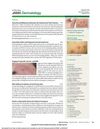
 In a randomized clinical trial, Robinson et al found that patients with melanoma and their partners could effectively perform skin self-examinations after participating in a 30-minute structured skills training, potentially aiding early detection of additional melanomas.
 August 2025 in “BMC Pregnancy and Childbirth”
 In this study, prenatal ultrasonography was found to be a valuable tool for screening ectodermal dysplasia during pregnancy, and a new EDA gene variant associated with X-linked hypohidrotic ectodermal dysplasia was identified, aiding in more accurate diagnoses and reproductive decision-making.
 1 citations
,
January 2025 in “American Journal of Translational Research”
1 citations
,
January 2025 in “American Journal of Translational Research” This study found that PPARα agonists provided protective effects in mouse models of alopecia areata by promoting early reversal of the condition and inhibiting T effector cell function, indicating potential therapeutic value for this inflammatory condition.
 January 2025 in “bioRxiv (Cold Spring Harbor Laboratory)”
 This study identifies Armadillo Repeat Only proteins as crucial regulators of plant CNGC channels, influencing various plant functions and showcasing a unique plant-specific role in Ca2+ signaling.
 May 2023 in “Elsevier eBooks”
 This source outlines current research exploring CRISPR-Cas9, siRNA, miRNA, and tissue engineering as potential treatments for androgenetic alopecia, noting the need for further safety and efficacy studies before human application.
 December 2025 in “Zenodo (CERN European Organization for Nuclear Research)”
 This review addresses the use of anti-androgens in managing symptoms of polycystic ovary syndrome, noting both their clinical effectiveness and associated safety concerns, while highlighting the need for more research into their long-term safety and metabolic effects.
April 2026 in “BMC Women s Health” This study in Urmia, Iran, characterized women with PCOS, POF, and EMs, revealing a PCOS prevalence of 17.69% and emphasizing significant lifestyle and health differences compared to healthy individuals, particularly in rural areas, alongside identifying key screening features for POF and EMs.
 8 citations
,
December 2017 in “Skin appendage disorders”
8 citations
,
December 2017 in “Skin appendage disorders” This study observed that the genes WNT7A, CASP7, and TNF were overexpressed in early stages of androgenetic alopecia, suggesting involvement of the WNT pathway, apoptosis, and inflammation in the disorder's development.
55 citations
,
December 2021 in “BMC Veterinary Research” This study identified several candidate genes related to wool production traits and adaptation to hot, arid environments in Iranian sheep, highlighting potential targets for future inbreeding programs.
 55 citations
,
May 2019 in “Journal of Endocrinology”
55 citations
,
May 2019 in “Journal of Endocrinology” This review summarizes research on androgens' roles in female reproductive function, noting their impact on IVF outcomes and the development of PCOS, and highlights the need for mechanism-based therapies.
161 citations
,
March 1992 in “International Journal of Dermatology” This study analyzed survey responses from 800 alopecia areata patients and found a possible genetic association with increased insulin-dependent diabetes mellitus in relatives but not in the patients themselves.
7 citations
,
August 2023 in “Life” This review discusses using extracellular vesicles as less invasive surrogates for assessing drug-metabolizing enzymes and transporters, suggesting potential advancements in precision therapy, but reports no new clinical results.