1 citations
,
January 2025 in “Journal of Cosmetic Dermatology” This study found that increased ACE2 expression, prompted by mechanical stretch, promotes skin regeneration and reduces dermal thinning during tissue expansion by enhancing collagen synthesis, suggesting ACE2's potential to improve clinical outcomes in reconstructive surgery settings.
June 2022 in “Journal of Pakistan Association of Dermatologists” In this study, a 15-year-old male with alopecia areata universalis showed significant hair regrowth after an 8-month combination therapy, suggesting that comprehensive treatment, including antiviral, corticosteroid, and LED therapy, may be effective albeit long-term for managing this condition.
 2 citations
,
June 2017 in “Pediatric Dermatology”
2 citations
,
June 2017 in “Pediatric Dermatology” This case report describes a 2-year-old boy in critical condition who developed anagen effluvium, possibly due to hypotension and hypoxia triggering hair follicle apoptosis.
January 2025 in “Seizure” This study found that dual ASM therapies involving valproic acid were associated with poorer tolerability and specific adverse events, with cognitive side effects occurring prominently across all examined combinations.
34 citations
,
November 2022 in “Clinical and Experimental Dermatology” This study found that individuals with AA have a higher incidence of atopic and autoimmune conditions, suggesting both Th1 and Th2 immune responses may play a role in its development.
 September 2024 in “Vietnam Journal of Biotechnology”
 This study found that astaxanthin effectively protected human dermal papillae cells from oxidative stress induced by hydrogen peroxide, reducing the percentage of cells expressing a stress marker significantly, suggesting potential benefits for hair loss treatment related to reactive oxygen species.
 30 citations
,
October 2014 in “PLOS ONE”
30 citations
,
October 2014 in “PLOS ONE” This study found that BAF200, a subunit of the PBAF chromatin remodeling complex, is crucial for heart development and coronary artery formation in mice, as its absence led to embryonic lethality with severe cardiac defects.
 64 citations
,
November 2008 in “Journal of The American Academy of Dermatology”
64 citations
,
November 2008 in “Journal of The American Academy of Dermatology” This study observed that acute diffuse and total alopecia, a subtype of alopecia areata, typically resolves rapidly and spontaneously within about six months, even without treatment, suggesting a favorable prognosis.
 13 citations
,
June 2010 in “Journal of dermatological treatment”
13 citations
,
June 2010 in “Journal of dermatological treatment” This study found that diphencyprone showed a significant clinical response for treating alopecia areata, while tacrolimus was not effective.
February 1985 in “PubMed” 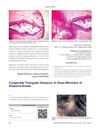 13 citations
,
January 2011 in “International Journal of Trichology”
13 citations
,
January 2011 in “International Journal of Trichology” CTA is often mistaken for AA but doesn't respond to steroids and may require hair transplantation.
 January 2023 in “Karger Kompass. Dermatologie”
 This review discusses the complexity of identifying hair follicle antigens involved in alopecia areata and reports no new clinical results, emphasizing the need for further research on autoantigen identity.
 32 citations
,
February 1998 in “The journal of investigative dermatology/Journal of investigative dermatology”
32 citations
,
February 1998 in “The journal of investigative dermatology/Journal of investigative dermatology” This study reports the cloning and sequencing of two type II hair-specific keratin genes, ghHb1 and ghHb6, located on chromosome 12q13, which are expressed during hair growth.
 December 2022 in “Curēus”
 This case report describes a 5-year-old girl with atrichia with papular lesions, whose diagnosis was confirmed through genetic testing identifying mutations in the hairless gene.
13 citations
,
August 2021 in “Frontiers in Aging Neuroscience” This study found that in SAMP8 mice, phenotypic changes in outer hair cells or the stria vascularis, possibly due to oxidative deficiencies, may predict variability in age-related hearing loss before outer hair cell loss occurs.
1 citations
,
January 2023 in “eCite Digital Repository (University of Tasmania)” This study suggests that the differences in aluminium tolerance between ET8 and ES8 wheat cultivars are linked to a complex suite of physiological mechanisms, including variations in malate and K+ release, Ca2+ homeostasis, and SV channel properties, rather than solely malate efflux.
 3 citations
,
January 2008 in “Endocrine journal”
3 citations
,
January 2008 in “Endocrine journal” In this case report, the authors describe a partial androgen insensitivity syndrome patient with a novel AR gene mutation, highlighting challenges in gender assignment decisions for infants with partial AIS.
 April 2018 in “Journal of Investigative Dermatology”
 This study found that both Th1 and Th2 cytokine markers were elevated in the serum and skin of patients with alopecia areata, with Th2 markers more closely linked to disease severity.
February 2024 in “Al-Azhar International Medical Journal /Al-Azhar International Medical Journal” This study concluded that topical betamethasone valerate lotion is more effective than topical 15% lactic acid solution for managing multiple patchy alopecia areata over a 12-week treatment period.
May 2025 in “OPAL (Open@LaTrobe) (La Trobe University)” The researchers reported that in a mouse model of alopecia areata, tofacitinib treatment influenced disease progression by modulating CD8+ T cell infiltration through the linoleic acid metabolism and magnesium ion pathway, offering insights into potential treatment approaches.
5 citations
,
January 2015 in “Case reports in medicine” In this case report, a novel missense mutation c.1360G>C (p.Ala454Pro) in the MBTPS2 gene was identified in a boy with typical IFAP syndrome and severe atopic features, although no phenotype/genotype correlation was established.
7 citations
,
January 2011 in “Biochemistry Research International” This study confirms that the proposed universal model for hard α-keratin structure applies to all known forms across various mammalian species.

This study found that a blend of low- and high-molecular weight hyaluronic acid significantly improved penetration into the hair cortex compared to individual HA types, reducing frizz and increasing hair elasticity and water content, as measured by Confocal Raman Spectroscopy.
 1 citations
,
January 2020 in “Benha Journal of Applied Sciences”
1 citations
,
January 2020 in “Benha Journal of Applied Sciences” This study found that DEFB1 polymorphisms, specifically the rs1800972 CG and GG genotypes, may predict susceptibility to and severity of alopecia areata.
 June 2024 in “ChemBioChem”
 This study's simulations suggest that replenishing free 18‐MEA could restore damaged hair surface properties, highlighting the importance of optimal fatty acid spacing for maintaining hair integrity.
1 citations
,
December 2022 in “Plants” This study suggests that CSLD1 is key to nitrogen-dependent root hair elongation and regulation of AMT1;2 expression in rice roots.
4 citations
,
January 2023 in “Journal of Clinical Investigation” This study identified a recurrent mutation in the endothelin receptor type A associated with mandibulofacial dysostosis with alopecia, and proposed a mechanism involving increased ligand affinity due to structural changes.
 February 2025 in “PubMed”
 In this study, researchers evaluated CS12192, a selective JAK3 inhibitor, in an alopecia areata mouse model and found it reversed hair growth inhibition comparably to baricitinib, with better safety and similar immune-modulating mechanisms.
2 citations
,
January 2023 in “Skin Appendage Disorders” This review discusses the evaluation, diagnosis, and management of beard alopecia areata and reports no new clinical results, though it highlights recent treatment advances with janus kinase inhibitors.