 1 citations
,
May 2015 in “Journal of The American Academy of Dermatology”
1 citations
,
May 2015 in “Journal of The American Academy of Dermatology” Lichen planus pigmentosus and fibrosing frontal alopecia in Colombia are likely different stages of the same disease.
 July 2016 in “Journal of Cutaneous Medicine and Surgery”
 This study found that a quantitative system detected subtle asymmetries in frontotemporal hairline regression among male androgenetic alopecia patients, which were not captured by the traditional Norwood classification.
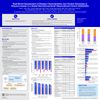
In this retrospective study of alopecia areata patients across several European countries, researchers observed a notable reduction in SALT scores, but few patients reached or maintained a clinically significant SALT score of ≤20, indicating potentially limited effectiveness of current treatments for extensive hair loss.
 11 citations
,
October 2018 in “Pediatric dermatology”
11 citations
,
October 2018 in “Pediatric dermatology” In this case report, the authors describe a child with treatment-resistant alopecia areata who successfully responded to leflunomide and anthralin, proposing this combination as a potentially cost-effective alternative for managing recalcitrant cases by possibly inhibiting the JAK/STAT pathway.
 April 2020 in “Journal of The American Academy of Dermatology”
 In this study, to address long wait times for alopecia specialists, researchers implemented shared medical appointments for women with female pattern hair loss, modeled on formats previously used for conditions like acne and vitiligo.
 November 2022 in “Research Square (Research Square)”
 This meta-analysis suggests a significant association between the use of facial sunscreen and moisturizer and frontal fibrosing alopecia, while finding no significant relationship with hair products or treatments.
37 citations
,
March 1998 in “Lupus” This case report describes a patient with SLE and APLS who developed basaloid follicular hamartomas, which persisted despite aggressive treatment for SLE, although hair regrowth occurred.
 10 citations
,
August 2011 in “Clinics”
10 citations
,
August 2011 in “Clinics” This article presents a dissenting opinion, arguing that the case described by Dr. Molina et al. was diffuse alopecia areata, not acute alopecia areata as claimed, emphasizing the importance of distinct clinical differences.
 14 citations
,
April 2019 in “International Journal of Women's Health”
14 citations
,
April 2019 in “International Journal of Women's Health” This review highlights current treatment options for frontal fibrosing alopecia, noting that 5-α-reductase inhibitors, intralesional steroids, and hydroxychloroquine have the highest evidence of effectiveness, while other therapies show variable results and need further research.
 17 citations
,
August 2002 in “Dermatologic Surgery”
17 citations
,
August 2002 in “Dermatologic Surgery” This study found that topical fluridil increased the anagen hair percentage in men with androgenetic alopecia without causing irritation or systemic absorption over 9 months.
April 2022 in “Actas Dermo-Sifiliográficas” This article discusses the case of a 59-year-old woman with a history of progressive facial hyperpigmentation and explores potential connections between her condition and her family history, but reports no clinical findings.
 January 2024 in “The Egyptian Journal of Hospital Medicine”
 This study found that A-FABP serum levels were significantly higher in male patients with androgenetic alopecia compared to controls, and the authors concluded that A-FABP could serve as a biomarker for early detection of this condition.
 20 citations
,
December 2016 in “Neurodegenerative disease management”
20 citations
,
December 2016 in “Neurodegenerative disease management” This study found that teriflunomide, an oral medication taken once daily, significantly slowed disability progression in patients with relapsing multiple sclerosis, supported by positive results in two Phase III trials and supplemented by various analyses including long-term studies and patient-reported outcomes.
 68 citations
,
May 2016 in “Experimental dermatology”
68 citations
,
May 2016 in “Experimental dermatology” This review discusses what is known about the pathobiology of frontal fibrosing alopecia and reports no new clinical findings, highlighting potential environmental and genetic factors in disease pathogenesis.
 6 citations
,
June 2016 in “Experimental Dermatology”
6 citations
,
June 2016 in “Experimental Dermatology” This article reviews the pathogenesis of frontal fibrosing alopecia, highlighting the potential genetic and environmental contributions, particularly the use of sunscreens, and calls for further research into effective treatments.
 130 citations
,
February 2018 in “Journal of Investigative Dermatology”
130 citations
,
February 2018 in “Journal of Investigative Dermatology” This study found that tofacitinib led to ≥50% hair regrowth in eight out of twelve patients with moderate to severe alopecia areata, suggesting a potential benefit for using JAK inhibitors in treating this condition.
July 2021 in “British Journal of Dermatology” In this study, the researchers reported that early diagnosis and treatment of fibrosing alopecia in a pattern distribution may arrest or potentially reverse disease progression, though some patients experienced continued hair loss.
 5 citations
,
December 1964 in “Australasian journal of dermatology”
5 citations
,
December 1964 in “Australasian journal of dermatology” This article discusses congenital atrichia and presents no new clinical findings.
January 2026 in “Elsevier eBooks”  1 citations
,
March 2016 in “Journal of The American Academy of Dermatology”
1 citations
,
March 2016 in “Journal of The American Academy of Dermatology” This editorial response discusses the evidence for using 5-alpha reductase inhibitors in treating frontal fibrosing alopecia, acknowledging its potential benefits while emphasizing the need for further studies to establish it as a standard treatment.
 June 2017 in “Journal of the American Academy of Dermatology”
 In this retrospective study, tofacitinib was found to be effective and well-tolerated for treating severe alopecia areata, with 77% of patients achieving a clinical response over 4-20 months, though results were more favorable for patients with less extensive hair loss.
 August 2002 in “Dermatologic Surgery”
 This study found that topical fluridil increased the anagen percentage in men with androgenetic alopecia without causing irritation or systemic side effects.
 May 2011 in “Dermatología argentina”
 In this case report, a female patient with frontal fibrosing alopecia and lichen scleroatrophicus vulvae experienced excellent results from hair microtransplants combined with finasteride and topical minoxidil, maintained over six years.
 29 citations
,
January 2016 in “CNS drugs”
29 citations
,
January 2016 in “CNS drugs” This review of teriflunomide for relapsing-remitting multiple sclerosis examines its clinical and safety outcomes, finding it significantly reduces relapse rates and disability progression while being generally well-tolerated.
 September 2017 in “Journal of Dermatology & Cosmetology”
 This study reports a case of frontal fibrosing alopecia associated with hepatitis C treatment involving interferon and ribavirin.
 1 citations
,
June 2017 in “Skin”
1 citations
,
June 2017 in “Skin” This study is the first to report that apremilast may be effective in treating refractory lichen planopilaris and frontal fibrosing alopecia, though some patients experienced adverse effects leading to discontinuation.
 10 citations
,
December 2005 in “Aktuelle Dermatologie”
10 citations
,
December 2005 in “Aktuelle Dermatologie” This study reported that after 7.5 months of treatment, topical Alfatradiol significantly increased anagen hair rates in women and men with androgenetic alopecia, with minimal side effects.
September 2026 in “Apollo Medicine” In this case report, researchers observed that a 35-year-old male with alopecia universalis achieved full regrowth of scalp, eyebrow, and facial hair with oral upadacitinib treatment after previous therapies failed to provide lasting relief.
July 2024 in “Clinical Case Reports” This study suggests that young females may experience a rare coexistence of Frontal Fibrosing Alopecia and ophiasis pattern Alopecia Areata, possibly sharing a common underlying pathophysiology.
 2 citations
,
November 2020 in “International Journal of Otorhinolaryngology and Head and Neck Surgery”
2 citations
,
November 2020 in “International Journal of Otorhinolaryngology and Head and Neck Surgery” The researchers reported that nasolabial flaps were effective for reconstructing small to intermediate oral cavity defects in early oral cancer patients, with overall good cosmetic and functional outcomes despite some complications.