Evaluation of Adipocyte Fatty Acid Binding Protein Serum Level in Male Androgenetic Alopecia Patients

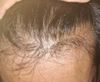
    Image of study
    TLDR Men with male pattern baldness have higher levels of A-FABP, which might help in early detection.
    The study "Evaluation of Adipocyte Fatty acid Binding Protein (A-FABP) Serum Level in Male Androgenetic Alopecia Patients" involved 60 male patients with androgenetic alopecia (AGA) and 20 healthy male volunteers. The objective was to determine the serum levels of A-FABP in individuals with AGA and their potential connection to the severity of AGA and other metabolic diseases. The results showed that A-FABP levels in AGA patients were significantly higher than in the control group. The study concluded that the presence of serum A-FABP may contribute to the pathogenesis of AGA and, due to its high sensitivity, specificity, and accuracy rate, it could be considered a biomarker for early disease detection.
    Discuss this study in the Community →

    Related Community Posts Join

    6 / 1000+ results
      Compressed part of research of theory of androgenic/anabolitic balance. AGA h-responders analytic. Theory of physio-metabolitic method of anti AGA treatment

      community Compressed part of research of theory of androgenic/anabolitic balance. AGA h-responders analytic. Theory of physio-metabolitic method of anti AGA treatment

      by MagicBold in Research  865 upvotes 1 year ago
      The treatment for androgenetic alopecia involves using finasteride and minoxidil with intense exercise and cold exposure to boost metabolism and reduce androgenic effects, potentially leading to hair regrowth. This approach may activate biological pathways for improved hair and overall health.

      community Fats on your Head to Stop Hair Loss?

      in Research/Science  140 upvotes 2 years ago
      The conversation discusses the potential of long-chain unsaturated fatty acids, like oleic and linoleic acid, as an additional treatment for hair loss, which may inhibit the enzyme responsible for converting testosterone to DHT and promote hair growth. Users humorously suggest using oils topically and discuss other hair loss treatments, but the main focus is on the science behind fatty acids and their role in hair health.

      community Hair loss research is a money grab

      in Chat  225 upvotes 4 months ago
      Hair loss is linked to DHT, with treatments like finasteride and minoxidil being common but not definitive. Economic interests influence research, and there is potential for new treatments like PP405 and RU58841.

      community The Big Fat Layer II

      in Research/Science  27 upvotes 5 years ago
      Hair loss treatment should target dermal white adipose tissue (DWAT) to restore hair follicles. Potential remedies include tocopherol (vitamin E), botox, rosiglitazone, niacin, kojyl cinnamate esters, and ADP355.
      Eliminate/Confirm AGA based on blood report

      community Eliminate/Confirm AGA based on blood report

      by SkandaALT in General  126 upvotes 8 months ago
      A 19-year-old male with no family history of androgenetic alopecia (AGA) is experiencing hair loss and considering using a topical minoxidil and finasteride mixture. Despite low vitamin D levels and normal DHT serum levels, he seeks confirmation of AGA before starting treatment.

      community Proposed new pathogenesis model for androgenetic alopecia (AGA)

      in Research/Science  8 upvotes 2 years ago
      The conversation discusses a new model for understanding androgenetic alopecia (AGA), linking it to dietary and lifestyle factors similar to PCOS, and highlighting the role of DHT, vascular damage, and inflammation. Treatments mentioned include Minoxidil, finasteride, and RU58841.

    Similar Research

    5 / 1000+ results