1 citations
,
August 2024 in “Expert Opinion on Drug Safety” This study analyzed data from the FDA Adverse Event Reporting System and found that finasteride had the highest reporting frequency and signal strength for drug-induced erectile dysfunction among 734 drugs, with compound preparations posing higher risks than single ingredients.
61 citations
,
July 2022 in “Journal of Nanobiotechnology” This study found that carbon dots derived from fucoidan effectively inhibit Enterococcus faecalis and its biofilm, offering a promising approach for managing biofilm-associated persistent endodontic infections.
 82 citations
,
April 2008 in “Journal of Investigative Dermatology”
82 citations
,
April 2008 in “Journal of Investigative Dermatology” EDA2R gene linked to hair loss.
January 2000 in “The Journal of Trace Elements in Experimental Medicine” In this case report, an 11-year-old girl with acrodermatitis enteropathica experienced a complete resolution of symptoms following oral zinc therapy, highlighting its effectiveness in managing this condition.
 6 citations
,
June 2008 in “Journal of the European Academy of Dermatology and Venereology”
6 citations
,
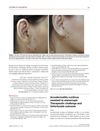
June 2008 in “Journal of the European Academy of Dermatology and Venereology” This paper discusses a case of acrodermatitis continua that was resistant to treatment with etanercept, highlighting the therapeutic challenges faced, but reports no new research results.
2 citations
,
June 2025 in “Preprints.org” This review highlights the potential of amphiregulin as a therapeutic target, noting its role in both fibrotic and malignant diseases, and discusses promising early findings but reports no new clinical results.
 37 citations
,
April 2010 in “FEBS Letters”
37 citations
,
April 2010 in “FEBS Letters” In this study, researchers reported that the activation of EDA2R by p53 leads to p53-dependent cell death in cancer cells and is involved in chemotherapy-induced hair loss.
 3 citations
,
April 1989 in “Drug Information Journal”
3 citations
,
April 1989 in “Drug Information Journal” Side effects of drugs can lead to the discovery of new treatments.
September 2025 in “International Journal of Emergency Medicine” This study reported that the increased dermatological emergency department visits during the pandemic, influenced by PPE usage and psychological stressors, highlight the need for more robust dermatology training and resources in emergency medicine to better prepare for future pandemics.
 2 citations
,
January 2021 in “JAAD Case Reports”
2 citations
,
January 2021 in “JAAD Case Reports” This article reviews potential causes for angiolymphoid hyperplasia with eosinophilia, a benign vascular tumor often found in middle-aged adults, and reports no new clinical findings.
 118 citations
,
October 2013 in “Trends in Genetics”
118 citations
,
October 2013 in “Trends in Genetics” The AUTS2 gene is linked to neurological disorders and may affect human brain development and cognition.
 April 2026 in “Zenodo (CERN European Organization for Nuclear Research)”
 This research presents the Dodatek A model, elaborating on androgen function through new mathematical indices and methodological improvements, shifting focus from serum hormone concentrations to system interactions to better describe androgen activity comprehensively.
157 citations
,
September 2012 in “Journal of the American Academy of Dermatology” In this retrospective cohort study, researchers reported that 11.5% of patients with DRESS developed significant long-term autoimmune or renal sequelae, with age influencing the type of sequelae observed.
78 citations
,
December 2008 in “The Journal of Sexual Medicine” This review highlights that sexual dysfunction associated with 5-alpha-reductase inhibitors is recognized in clinical literature, with erectile dysfunction being the most common adverse effect, followed by ejaculatory dysfunction and decreased libido.
20 citations
,
August 2016 in “BMJ Open” This study found that introducing warning symbols and educational programs significantly reduced the erroneous crushing of medications in nursing homes.
 April 2023 in “Neurology”
 This study examined treatments for emesis in young Alexander disease patients, finding that 95% responded positively to valproic acid, which was more effective than anti-reflux medications or cyproheptadine, though some adverse effects require monitoring.
March 2003 in “Rosa P: A digital library for transportation research (United States Department of Transportation)” This article presents a toolkit created by the FTA to help transit agencies manage employees' use of medications that could impact public safety, but it reports no new results.
3 citations
,
June 2025 in “Frontiers in Nutrition” This study reviewed literature on pediatric acrodermatitis enteropathica and found that zinc deficiency occurred in 75.9% of cases, with zinc supplementation showing therapeutic efficacy in 91.4% of patients; however, it was often ineffective in those with underlying metabolic disorders.
 2 citations
,
January 2014 in “Elsevier eBooks”
2 citations
,
January 2014 in “Elsevier eBooks” This review discusses drug-induced hypersensitivity syndrome and drug reaction with eosinophilia and systemic symptoms, highlighting clinical features, potential viral reactivations, and treatment, but reports no new clinical findings.
 1 citations
,
June 2018 in “International Journal of Dermatology”
1 citations
,
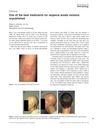
June 2018 in “International Journal of Dermatology” DNCB is highly effective for treating alopecia areata with minimal long-term side effects.
6 citations
,
September 2025 in “Cosmetics” This study introduced laser-assisted exosome delivery and observed early signs of clinical improvement in two patients, though causality cannot be inferred from these preliminary, uncontrolled cases.
May 2026 in “European Cells and Materials” In this study, researchers developed a novel delivery system using hyaluronic acid gels to encapsulate Huperzine A for Alzheimer's treatment, achieving extended release over 20 days and significantly improving pathology and behavior in mice, including enhanced memory and reduced neuroinflammation.
 17 citations
,
April 2017 in “International Journal of Biological Macromolecules”
17 citations
,
April 2017 in “International Journal of Biological Macromolecules” This study found that alginate beads containing monoolein demonstrated promising potential for managing wet wounds by better absorbing excess exudate and delivering adenosine locally, favoring drug localization in damaged porcine skin compared to an aqueous solution without affecting skin viability.
27 citations
,
August 2008 in “Mayo Clinic proceedings” This review discusses the diagnosis, management, and treatment options for peripheral arterial disease and does not report new clinical findings; the authors emphasize the need for early diagnosis and comprehensive management.
30 citations
,
February 2023 in “Biomaterials Research” This study evaluated a new carboxymethyl chitosan/polyaldehyde dextran (CMCS/PD) hydrogel and found it to be a promising tissue adhesive for trauma emergencies in rats, showing rapid gel formation, strong adhesion, and better antibacterial properties than some commercial alternatives.
18 citations
,
June 2017 in “Oncotarget” This study found that digoxin treatment was significantly associated with anemia adverse reactions in patients with atrial fibrillation and heart failure, suggesting a need for caution in its clinical use.
 13 citations
,
December 2010 in “Nature Reviews Endocrinology”
13 citations
,
December 2010 in “Nature Reviews Endocrinology” A young man with an eating disorder had a life-threatening adrenal crisis due to an autoimmune condition, highlighting the need for better education on managing hormone treatments.
February 2023 in “Archives of Dermatological Research” This study found that despite challenges, a combination of oral antibiotics, anti-androgens, oral retinoids, biologics, and surgery were important in managing hidradenitis suppurativa in patients with intellectual and developmental disabilities.
7 citations
,
February 2024 in “The Journal of Physiology” This study suggests that male sex and androgenic steroid use increase the risk of atrial arrhythmias in individuals with arrhythmogenic right ventricular cardiomyopathy, especially those with desmosomal gene mutations.
19 citations
,
February 2001 in “Journal of paediatrics and child health” This report documents a 14-year-old Chinese boy with mitochondrial encephalopathy, lactic acidosis, stroke-like episodes, and a de novo A3243G mitochondrial DNA mutation, highlighting the condition's multisystem involvement without ragged red fibers in muscle biopsy.