December 2020 in “Forum Dermatologicum” In this case report, a combination treatment of intralesional triamcinolone acetonide, oral acitretin, and topical clobetasol propionate showed effectiveness in reducing symptoms of Graham-Little-Piccardi-Lasseur syndrome in one patient over two months, with no new areas of hair loss observed.
 May 2026 in “Zenodo (CERN European Organization for Nuclear Research)”
 This study developed a low-viscosity triamcinolone acetonide serum, used with a derma stamp microneedling device, to improve targeted treatment of alopecia areata, reporting favorable drug solubility, spreadability, and permeation to hair follicles, while maintaining skin safety.
March 2026 in “Journal of the American Academy of Dermatology” In this study, patients with active lymphocytic cicatricial alopecia showed significant improvement using a three-stage treatment regimen involving Tofacitinib, Apremilast, and Crisaborole, with 93.5% experiencing marked improvement and only three mild adverse events reported.
40 citations
,
August 2005 in “JEADV. Journal of the European Academy of Dermatology and Venereology/Journal of the European Academy of Dermatology and Venereology” In this case report, a 3-year-old male with IFAP syndrome showed moderate improvement in skin symptoms and corneal erosions but no change in alopecia or photophobia after 6 months of acitretin therapy.
4 citations
,
October 2024 in “Journal of the American Academy of Dermatology” Abrocitinib may help treat alopecia areata effectively with mild side effects.
 August 2023 in “Clinical and Experimental Dermatology”
 The document discusses a special exam case for formulating and using systemic therapy named Athena.
 4 citations
,
February 2011 in “Dermatology reports”
4 citations
,
February 2011 in “Dermatology reports” In this study, oral acitretin therapy for psoriasis was associated with excess granulation tissue in the nail sulcus and noncicatricial universal alopecia.
July 2024 in “Journal of Investigative Dermatology” Allergic contact dermatitis may promote hair growth by activating hair follicle stem cells.
31 citations
,
July 2012 in “Journal of Lipid Research” This study found that the acyl-CoA binding protein is essential for the production of very long chain free fatty acids in the stratum corneum and maintaining normal epidermal barrier function in mice.
June 1985 in “Journal of the American Academy of Dermatology” 1 citations
,
April 2017 in “Journal of Investigative Dermatology” Abatacept may help some people with alopecia areata regrow hair.
3 citations
,
January 2014 in “Indian dermatology online journal” This case report describes a 10-day-old female with aplasia cutis congenita, presenting with two spontaneously healing ulcers on her buttock and no associated abnormalities.
6 citations
,
January 1997 in “Pediatric dermatology” This case report highlights a 21-year-old man with severe nodulocystic acne resistant to conventional treatments, who showed moderate improvement with isotretinoin, and discusses its potential link to congenital digital abnormalities and Apert syndrome.
 5 citations
,
January 2018 in “Acta Dermatovenerologica Alpina Pannonica et Adriatica”
5 citations
,
January 2018 in “Acta Dermatovenerologica Alpina Pannonica et Adriatica” This case study highlights congenital atrichia with papular lesions as a cause of total body hair loss, characterized by the absence of hair follicles and the presence of skin-colored papules.
 2 citations
,
October 2022 in “The journal of investigative dermatology/Journal of investigative dermatology”
2 citations
,
October 2022 in “The journal of investigative dermatology/Journal of investigative dermatology” This study found that Aire‒/‒ mice spontaneously developed persistent AA-like lesions, highlighting a potential role for AIRE in hair follicle biology and pathogenesis of alopecia areata.
20 citations
,
May 2007 in “JDDG Journal der Deutschen Dermatologischen Gesellschaft” In this case report, etanercept was observed to effectively resolve symptoms of refractory acrodermatitis continua suppurativa Hallopeau after previous treatments had limited success.
1 citations
,
January 2020 in “IRIS UNIMORE (University of Modena and Reggio Emilia)” This study found that Aminexil clinical 5 significantly reduced hair loss in men and women with mild alopecia and was well tolerated with high subject satisfaction.
April 2012 in “Journal of evolution of medical and dental sciences” This report describes a rare case of papular atrichia in a 4-year-old girl, highlighting the absence of effective treatment to stimulate hair growth for this condition.
147 citations
,
August 2005 in “The Plant Cell” This study identified a key Arabidopsis thaliana gene, TIP1, whose product is involved in S-acylation crucial for normal plant cell growth, particularly affecting root hair development.
20 citations
,
October 2017 in “Stem Cell Reports” This study found that loss of the ACER1 gene in mice led to increased ceramide levels and progressive hair loss, highlighting ACER1's role in maintaining hair follicle stem cell homeostasis.
11 citations
,
February 2011 in “The Journal of Dermatology” This study observed four consanguineous families with congenital atrichia with papular lesions and identified three novel mutations in the hairless gene, which may contribute to the disorder.
20 citations
,
August 2003 in “Clinical and Experimental Dermatology” In this study, a novel E583V missense mutation in the hairless gene was identified in an Italian family with atrichia with papular lesions, reinforcing the significance of zinc-finger and LXXLL domains in this condition.
 March 2026 in “Clinical Cosmetic and Investigational Dermatology”
 In this case study, treatment with the selective JAK1 inhibitor upadacitinib significantly improved symptoms in a patient with refractory alopecia areata, vitiligo, ankylosing spondylitis, and allergic asthma-nasal syndrome, though a transient liver function abnormality was noted.
17 citations
,
November 2013 in “Clinical and experimental dermatology” This case report describes repigmentation and curling of hair in a patient undergoing acitretin therapy.
 February 2025 in “American Journal of Biomedical Science & Research”
 This case report highlights two cases of alopecia areata in patients with celiac disease, noting the rare occurrence of one patient also having acquired hypertrichosis lanuginosa, which may be the first documented instance of this combination in the literature.
January 2024 in “Biomedicines” This review discussed the cutaneous manifestations of APECED, highlighting chronic mucocutaneous candidiasis, alopecia areata, and vitiligo, while emphasizing the importance of early detection and monitoring for accurate diagnosis and patient care in various populations.
4 citations
,
January 2020 in “Dermatology Online Journal” In this report, a 1-year-old boy with congenital atrichia with papular lesions was found to have a complete absence of scalp and body hair and keratin-filled cysts due to a mutation in the hairless gene.
 September 2023 in “Journal of The American Academy of Dermatology”
 In this study, baricitinib was evaluated for its effectiveness in promoting concurrent regrowth of scalp hair, eyebrows, and eyelashes in patients with severe alopecia areata, showing clinically meaningful responses compared to placebo.
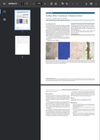
In this case study, a 15-year-old obese boy was diagnosed with acanthosis nigricans and hair casts in the axillae, with Wood's lamp and dermoscopic examination revealing specific features, yet fungal infection was ruled out through a negative KOH test.
 2 citations
,
December 2020 in “American Journal of Dermatological Research and Reviews”
2 citations
,
December 2020 in “American Journal of Dermatological Research and Reviews” This study found that combining 308-excimer phototherapy with intramuscular triamcinolone acetonide was effective and well tolerated for treating resistant alopecia totalis, showing a 90% overall response rate in the ten patients studied, with the best results observed in younger patients.