1 citations
,
November 2007 in “Neuro-chirurgie/Neurochirurgie” This study found that cyproterone acetate treatment in late-pubertal trans-girls was safe, well-tolerated, and induced mild feminizing changes, with more pronounced effects when combined with estrogens.
78 citations
,
October 2003 in “Cochrane library” This review found that adding cyproterone acetate to estradiol showed a subjective improvement in hirsutism versus placebo, but comparisons with other therapies revealed no clinical differences.
July 2008 in “International journal of psychophysiology” This retrospective study found that cyproterone acetate, both alone and with estrogens, was safe, well tolerated, and induced modest feminizing effects in late-pubertal transgender female adolescents.
 18 citations
,
August 1985 in “European journal of endocrinology”
18 citations
,
August 1985 in “European journal of endocrinology” This study found that high-dose cyproterone acetate was effective for treating hirsutism, but 33% of patients felt their condition worsened on low-dose maintenance therapy, despite no significant change in objective measures of hair growth.
 November 2007 in “Neuro-chirurgie/Neurochirurgie”
 This study reported that treatment with cyproterone acetate alone and then with incremental estrogen doses induced mild feminizing effects in late-pubertal trans-girls, with further feminization observed after adding estrogen.
21 citations
,
January 2008 in “Journal of Pediatric Endocrinology and Metabolism” This study found that combined treatment with anastrozole and cyproterone acetate improved the adult height prognosis in testotoxicosis, as observed in two brothers, with good tolerance reported.
 July 2016 in “Reactions Weekly”
 Cyproterone and finasteride reduced hypersexuality but caused serious side effects.
 33 citations
,
January 2009 in “Contraception”
33 citations
,
January 2009 in “Contraception” This review summarizes the use of chlormadinone acetate for hormone replacement therapy and contraception, highlighting its anti-androgenic effects, contraceptive efficacy, and clinical tolerability, without offering new clinical results.
94 citations
,
July 1991 in “Clinical endocrinology” In this study, cyproterone acetate at 2 mg daily was found to be as effective as higher doses in reducing hair growth for hirsute women over 12 months.
 10 citations
,
December 2002 in “International Journal of Dermatology”
10 citations
,
December 2002 in “International Journal of Dermatology” This case study reports a 66-year-old woman developing shortness of breath while taking 50 mg/day of cyproterone acetate for androgenetic alopecia, a complication not previously documented in women with this condition.
November 2025 in “Cochrane Database of Systematic Reviews” This study observed some differences in clinical outcomes when comparing CPA with spironolactone, flutamide, and finasteride, but no differences with other therapies, possibly due to small study size and non-standardized assessments; adverse effects could not be fully compared across treatments.
7 citations
,
September 1988 in “Baillière's clinical obstetrics and gynaecology” This article discusses the mechanisms of hirsutism and acne in women, highlighting cyproterone acetate with ethinyloestradiol as an effective anti-androgen therapy in the UK, but it reports no new clinical findings.
 59 citations
,
February 2021 in “BMJ”
59 citations
,
February 2021 in “BMJ” This study found a strong dose-related increase in the risk of intracranial meningiomas associated with high doses of cyproterone acetate, with some reduction in risk after stopping the treatment.
March 2018 in “Chin J Reprod Contracep” This review outlines chlormadinone acetate's contraceptive and non-contraceptive applications but reports no new clinical findings, emphasizing its potential in treating dysmenorrhea and androgen-related conditions.
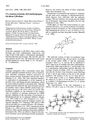 December 1998 in “Acta Crystallographica Section C-crystal Structure Communications”
 This study describes the molecular conformation and intermolecular interactions in the crystalline structure of the compound C24H31BrO4.
74 citations
,
August 2002 in “Clinical Endocrinology” In this study, low doses of cyproterone acetate with ethinylestradiol were as effective as low-dose flutamide in reducing acne severity in hyperandrogenic women, while finasteride was less effective.
 5 citations
,
January 1984 in “Journal of psychosomatic obstetrics and gynecology/Journal of psychosomatic obstetrics and gynaecology”
5 citations
,
January 1984 in “Journal of psychosomatic obstetrics and gynecology/Journal of psychosomatic obstetrics and gynaecology” This study found that treatment with cyproterone acetate and ethinylestradiol in hirsute women reduced testosterone and androstenedione levels, decreased hair growth, and increased cortisol levels without changing catecholamine excretion.
 30 citations
,
January 1998 in “Dermatology”
30 citations
,
January 1998 in “Dermatology” This review discusses hormonal influences and treatment considerations in female acne, particularly highlighting the role of androgens in persistent or resistant cases, and reports no new clinical findings.
 January 2024 in “Pharmaceutical medicine”
 In this study, most surveyed physicians were aware of the meningioma risk linked to cyproterone acetate monotherapy, but many did not recall receiving updated safety communications.
1 citations
,
December 2011 in “Arzneimittelforschung” This study found that the compound 9,11-dehydrocortexolone 17alpha-butyrate (CB-03-04) showed strong local antiandrogenic activity in animal models, suggesting potential for treating prostate conditions.
17 citations
,
January 1984 in “Psychotherapy and psychosomatics” This study reported that 44% of hirsute women undergoing cyproterone acetate treatment experienced impaired sexual enjoyment, highlighting the need to inform patients about potential side effects.
58 citations
,
July 1974 in “The Journal of clinical endocrinology and metabolism/Journal of clinical endocrinology & metabolism” This study found that cyproterone acetate, given with ethinyl oestradiol, significantly reduced hirsutism in women after 12 months, although improvements reversed once cyproterone acetate was stopped.
 December 1989 in “Inpharma (Balgowlah)”
 Cyproterone helps women with hair loss caused by genetics. More research is needed to confirm the best dose.
 11 citations
,
April 2017 in “The European Journal of Contraception & Reproductive Health Care”
11 citations
,
April 2017 in “The European Journal of Contraception & Reproductive Health Care” This review highlights that Cyproterone acetate combined with ethinylestradiol is highly effective for treating severe acne and hirsutism in women with hyperandrogenism, and it also provides benefits for cycle control and mood improvement, according to the analysis of 78 studies.
 1 citations
,
January 2009 in “X-ray Structure Analysis Online”
1 citations
,
January 2009 in “X-ray Structure Analysis Online” A new compound was made that might help treat diseases related to male hormones.
 October 2023 in “Journal of the American Academy of Dermatology”
 This source reports that clascoterone cream has been approved in the U.S. for treating acne vulgaris in patients aged 12 and older, suggesting it works by competing with dihydrotestosterone at androgen receptors to mitigate acne's effects.
 26 citations
,
December 1981 in “British journal of dermatology/British journal of dermatology, Supplement”
26 citations
,
December 1981 in “British journal of dermatology/British journal of dermatology, Supplement” This study observed that most hirsute patients on combined cyproterone acetate and 'Diane' therapy experienced a reduction in hair growth, with hair becoming softer, thinner, and lighter in color over 12 months.
5 citations
,
June 2021 in “Journal of neurology, neurosurgery and psychiatry” This study found that females exposed to high cumulative doses of cyproterone acetate had a 6–20 fold increased risk of developing meningiomas compared to those on lower doses.
14 citations
,
January 1980 in “Journal of steroid biochemistry/Journal of Steroid Biochemistry” This study found that both cyproterone acetate alone and combined with ethinyl oestradiol reduced androgen levels and slightly increased SHBG binding in women with hirsutism, but showed no difference in hair regrowth rate between the treatments.
 May 2020 in “International Journal of Clinical Obstetrics and Gynaecology”
 This article reviews the medical history and symptoms related to hyperandrogenism in patients, but reports no new clinical findings.