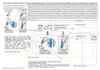
April 2017 in “The journal of investigative dermatology/Journal of investigative dermatology” This study found that dysregulated microRNA expression in mice may be linked to aberrant gene activity that contributes to the development of alopecia areata.
1 citations
,
January 2025 in “Genes & Diseases” This review highlights that T cells are crucial in regulating hair follicle regeneration and their disruption can lead to alopecia, providing insights into hair disorders related to T cell immune balance and hair follicle regeneration.
September 2023 in “Medicine” This study found increased infiltration of specific immune cells, such as γδ T cells and CD8+ T cells, in the bald scalp of male androgenetic alopecia patients, and identified four key immune-related genes potentially involved in hair loss development through interferon-γ signaling pathways.
September 2025 in “Journal of the American Academy of Dermatology” Ritlecitinib may help treat alopecia areata by protecting hair follicles.
5 citations
,
January 2024 in “JID Innovations” In this study, researchers identified significant differences in protein expression patterns in scalps affected by central centrifugal cicatricial alopecia, notably upregulation of immune pathways and fibrosis markers and downregulation of metabolic proteins, suggesting unique disease mechanisms and potential therapeutic targets.