47 citations
,
June 2019 in “Nature Communications”
47 citations
,
June 2019 in “Nature Communications” This study found that self-noncoding dsRNA activates TLR3 to stimulate intrinsic retinoic acid synthesis, promoting new hair follicle formation in wounded mice and showing similar gene expression changes in humans treated with rejuvenation lasers.
 27 citations
,
April 2017 in “Journal of Investigative Dermatology”
27 citations
,
April 2017 in “Journal of Investigative Dermatology” The researchers reported that noncoding double-stranded RNA promotes wound-induced hair neogenesis in mice by modulating prostaglandin and Wnt levels.
 April 2018 in “The journal of investigative dermatology/Journal of investigative dermatology”
 This study identified a novel mechanism by which dsRNA-induced TLR3 activation and retinoic acid pathways contribute to new hair follicle formation after deep wounds in mice and suggested a similar potential in humans.
 128 citations
,
August 2015 in “Cell Stem Cell”
128 citations
,
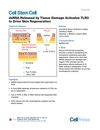
August 2015 in “Cell Stem Cell” The researchers reported that dsRNA from damaged skin activates TLR3, promoting hair follicle regeneration, while TLR3-deficient animals fail to initiate this process, suggesting potential therapeutic approaches for hair neogenesis.
 April 2016 in “Journal of Investigative Dermatology”
 This study suggests that dsRNA may enhance KRT9 expression in palm and sole skin through β-catenin signaling, potentially linking mechanical damage to specific skin features and certain skin conditions.