 196 citations
,
March 2016 in “Nature Communications”
196 citations
,
March 2016 in “Nature Communications” In this study, researchers identified 18 genetic associations with scalp and facial hair traits in Latin Americans, including novel loci for hair greying and balding, with implications for understanding hair evolution.
 46 citations
,
February 2016 in “Experimental Dermatology”
46 citations
,
February 2016 in “Experimental Dermatology” This review discusses the genetic research developments in androgenetic alopecia, reporting no new clinical results, and highlights the potential for discovering novel therapeutic targets.
 17 citations
,
January 2016 in “American Journal of Epidemiology”
17 citations
,
January 2016 in “American Journal of Epidemiology” This study suggests that any baldness, particularly moderate balding, is associated with a higher risk of fatal prostate cancer in men, supporting a possible link between hair loss and prostate cancer mechanisms.
 37 citations
,
October 2015 in “European Journal of Human Genetics”
37 citations
,
October 2015 in “European Journal of Human Genetics” This study found that a genetic model using SNPs can predict early-onset male-pattern baldness with moderate accuracy, which may assist in decisions about interventions.
 48 citations
,
May 2015 in “PLOS ONE”
48 citations
,
May 2015 in “PLOS ONE” This study found that a genetic test using 5 to 20 SNPs can predict male pattern baldness with variable accuracy in European men, especially those aged 50 and older.
 48 citations
,
October 2014 in “International Journal of Cardiology”
48 citations
,
October 2014 in “International Journal of Cardiology” This meta-analysis found that people with alopecia have an increased risk of coronary heart disease and several cardiovascular risk factors compared to those without alopecia.
 28 citations
,
September 2014 in “Journal of Clinical Oncology”
28 citations
,
September 2014 in “Journal of Clinical Oncology” This study observed that frontal plus moderate vertex baldness at age 45 was associated with a higher risk of aggressive prostate cancer in a large cohort.
 26 citations
,
May 2013 in “British Journal of Dermatology”
26 citations
,
May 2013 in “British Journal of Dermatology” This study provides evidence that a polygenic component contributes to the heritable risk for androgenetic alopecia, indicating the need for further research to identify the complex biological pathways involved.
 87 citations
,
May 2012 in “PLOS Genetics”
87 citations
,
May 2012 in “PLOS Genetics” This study found that early-onset androgenetic alopecia in individuals of European ancestry is significantly associated with increased odds of Parkinson's disease and is influenced by specific genetic loci, including some linked to reduced fertility.
 28 citations
,
June 2010 in “European Journal of Cancer”
28 citations
,
June 2010 in “European Journal of Cancer” This study found that androgenic alopecia at an early age was associated with a lower risk of prostate cancer, contrary to assumptions about androgens' role.
234 citations
,
November 2009 in “American journal of human genetics” This study identified genetic variants in the Trichohyalin gene that account for approximately 6% of the variance in hair morphology among Australians of European descent.
 111 citations
,
October 2008 in “Nature Genetics”
111 citations
,
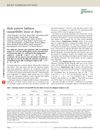
October 2008 in “Nature Genetics” In their study, Tim Spector and colleagues identified a new genetic association at chromosome 20p11.22 with male-pattern baldness, confirmed by the increased risk when combined with a known androgen receptor gene variant.
 82 citations
,
April 2008 in “Journal of Investigative Dermatology”
82 citations
,
April 2008 in “Journal of Investigative Dermatology” EDA2R gene linked to hair loss.
 417 citations
,
September 2005 in “PLoS biology”
417 citations
,
September 2005 in “PLoS biology” This study developed molecular signatures for dermal papilla cells and their niche, uncovering novel signaling regulators and genes linked to hair disorders, which may inform future hair development research.
 195 citations
,
June 2005 in “American Journal of Human Genetics”
195 citations
,
June 2005 in “American Journal of Human Genetics” Genetic variation in the androgen receptor gene mainly causes early-onset hair loss, with maternal inheritance playing a key role.
191 citations
,
December 2003 in “Journal of Investigative Dermatology” Male pattern baldness is largely genetic, linked to the androgen receptor gene, and may relate to certain health issues.
 21 citations
,
June 2002 in “PubMed”
21 citations
,
June 2002 in “PubMed” This study found an association between vertex baldness and prostate cancer, especially for high-grade tumors in men aged 60-69, suggesting a possible shared androgen pathway.
 180 citations
,
September 1999 in “British Journal of Dermatology”
180 citations
,
September 1999 in “British Journal of Dermatology” This review discusses the psychological and social impacts of androgenetic alopecia and suggests that medical treatments can have some positive psychological effects, highlighting the condition's moderate stress and impact on body image.